
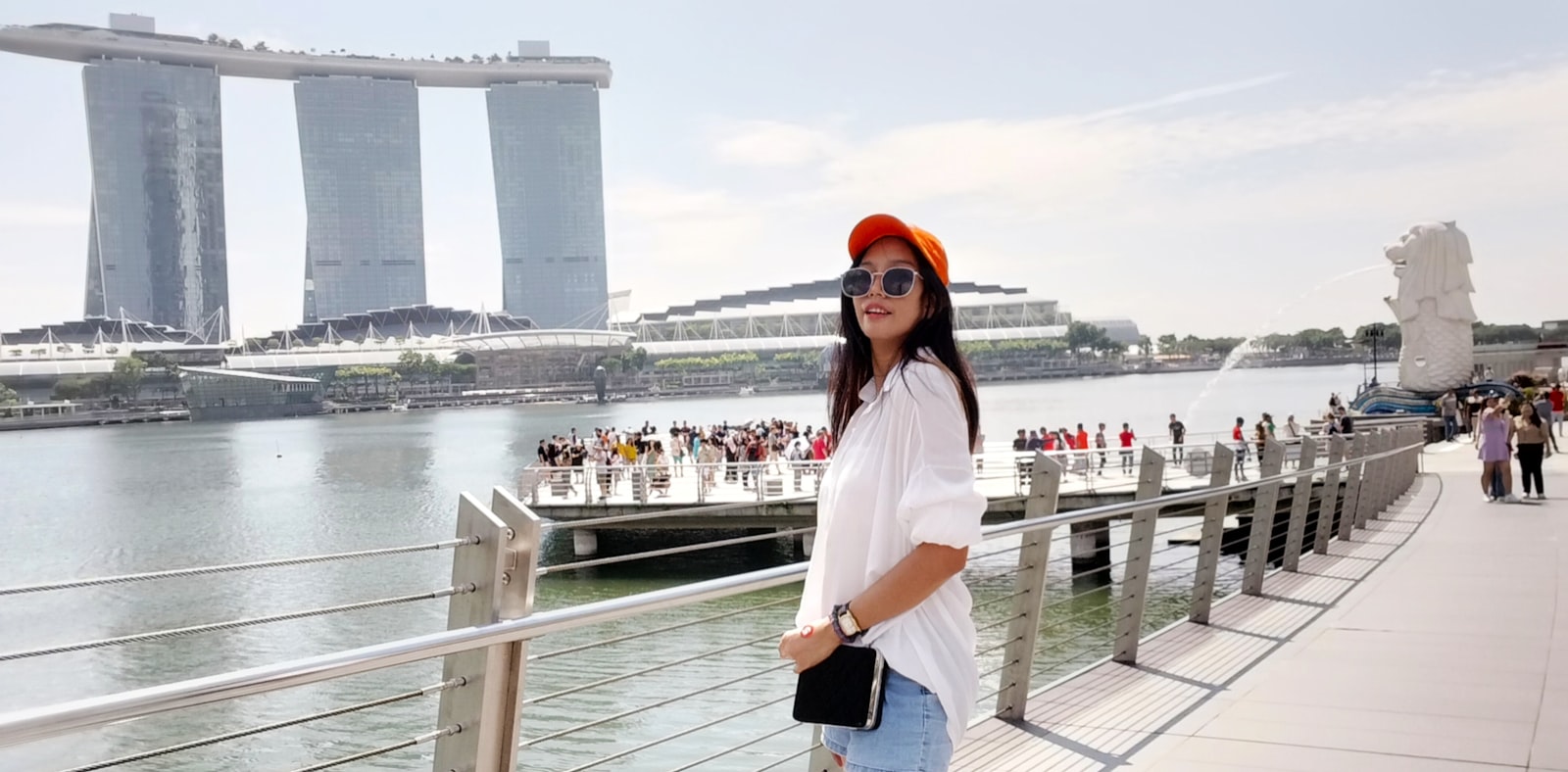
Working out your personal style in Singapore can feel like a puzzle. The trends move fast, the shops are endless, and our year-round heat rules out half of what you see on overseas fashion feeds. The good news is that style is not about chasing every trend or spending a fortune. It is about knowing what suits your life, your body and your climate, then wearing it with ease. This guide walks you through a calm, practical way to find a look that feels genuinely like you.
What Personal Style Really Means
Personal style is simply the set of choices you make again and again because they feel right. It is the reason two people can wear the same white shirt and look completely different. Fashion is what the shops are selling this season. Style is what you keep reaching for regardless.
A useful way to think about it is in three layers. First, your practical needs: a hot commute, an office frozen by air-conditioning, weekend errands, the occasional wedding or temple visit. Second, your taste: the colours, shapes and textures you are drawn to. Third, the message you want to send, whether that is polished, relaxed, creative or understated. When all three line up, getting dressed stops being a daily struggle and starts feeling automatic.
You do not need to name a single aesthetic and commit to it forever. Most people are a blend, and that blend shifts as life changes. The aim is a wardrobe that works together, not a costume.
Start With What You Already Own
Before you buy anything, look honestly at your current wardrobe. Pull out the pieces you actually wear most weeks and lay them out. These are your real style, whatever you might wish they were. Notice the patterns: maybe everything is navy and white, or maybe you gravitate to soft, loose shapes over anything fitted.
Then look at the pieces gathering dust and ask why. Often it is fit, fabric or the fact that they do not match your real life. A stiff blazer that traps heat will stay on the hanger no matter how lovely it looked in the fitting room. Keeping notes on these near-misses teaches you as much as your favourites do.
Ask yourself a few questions as you sort:
- Which outfits make me feel most like myself?
- What do I always feel too hot, too covered or too fussy in?
- What compliments do I hear more than once?
- What do I own five versions of, and what am I always missing?
This audit costs nothing and points you straight at the gaps worth filling. It also pairs well with a proper wardrobe clear-out, so you start from a clean, honest base.
Find Inspiration Without Losing Yourself
Inspiration is easy to find and easy to overdose on. Save images that stop you scrolling, whether from Instagram, Pinterest, street style around Orchard and Tiong Bahru, or simply people you admire in real life. After a couple of weeks, look back at your saved pile and notice what repeats. The repeats are your signals.
Be careful with two traps. The first is copying a whole look head to toe, which rarely survives our climate or your actual routine. The second is saving things that photograph well but you would never wear. Translate inspiration into your own terms instead. If you love a heavy autumn layered look, borrow its colour palette and relaxed shapes, then rebuild it in linen and cotton that make sense at thirty-one degrees.
Dressing for Singapore’s Climate and Occasions
Any style that ignores the weather will not last here. The real challenge is dressing for two climates in one day: humid heat outside and cold air-conditioning inside. Lightweight natural fabrics like cotton, linen and Tencel breathe far better than heavy synthetics, and a light layer you can add indoors solves the office chill without you carrying a jacket all afternoon.
Colour and cut matter too. Looser shapes let air move; darker colours hide sweat but soak up sun, while lighter ones stay cooler but show damp. Most people settle on a personal balance they can live with. Footwear that copes with sudden rain and long walks between MRT stations will do more for your daily look than any statement heel.
Occasions add their own rules. Our multicultural calendar means you may need something festive for Chinese New Year, respectful and covered for a temple or mosque, and smart for weddings that range from hotel ballrooms to void-deck celebrations. Norms vary by family, community and venue, so when in doubt, ask the host or check the venue rather than guess. A flexible personal style bends to these moments instead of breaking.
A Simple Framework to Test Your Choices
If you find it hard to picture where you sit, it helps to loosely map a few common style directions. Treat this as a starting point, not a box. Most people mix two.
| Style direction | Signature pieces | Works well for | Watch-outs in the heat |
|---|---|---|---|
| Classic | Tailored trousers, crisp shirts, neutral tones | Office life, formal occasions | Choose breathable weaves so tailoring does not trap heat |
| Relaxed | Loose linen, soft tees, comfortable flats | Weekends, creative workplaces | Loose does not mean shapeless; keep one clean line |
| Minimal | A tight palette, simple cuts, quality basics | Low-effort daily dressing | Fewer pieces means fabric and fit must be spot on |
| Expressive | Prints, colour, statement accessories | Standing out, social occasions | Anchor bold pieces with calm basics so it reads styled |
Use the table as a mirror. Whichever row you drift towards, your shopping gets easier because you already know which pieces earn their place.
Building Your Signature Look on Any Budget
A strong personal style is not expensive. It is consistent. Start by nailing a small set of reliable basics that fit well and suit our weather, then add a few pieces that feel distinctly you, whether that is a colour you love, a certain neckline, or one repeated accessory. Repetition is not boring; it is what makes a look recognisably yours.
Shop across price bands without shame. Singapore has everything from Orchard department stores to Bugis Street bargains, Haji Lane boutiques, neighbourhood tailors for alterations, and thrift and preloved options online. Buying fewer, better pieces and caring for them well usually beats a cupboard full of impulse buys. Prices shift constantly, so check the retailer for current figures and let fit, not the label, be your guide. Above all, give yourself time. Style is a slow, enjoyable edit, not a single shopping trip.
Explore more
Ready to keep going? A practical next step is building a capsule wardrobe in Singapore so your favourite pieces work together, and building a wardrobe colour palette to make everything mix easily. If you want your clothes to sit right, learn how to dress for your body shape and start from a tidy base with our guide to decluttering your wardrobe.