
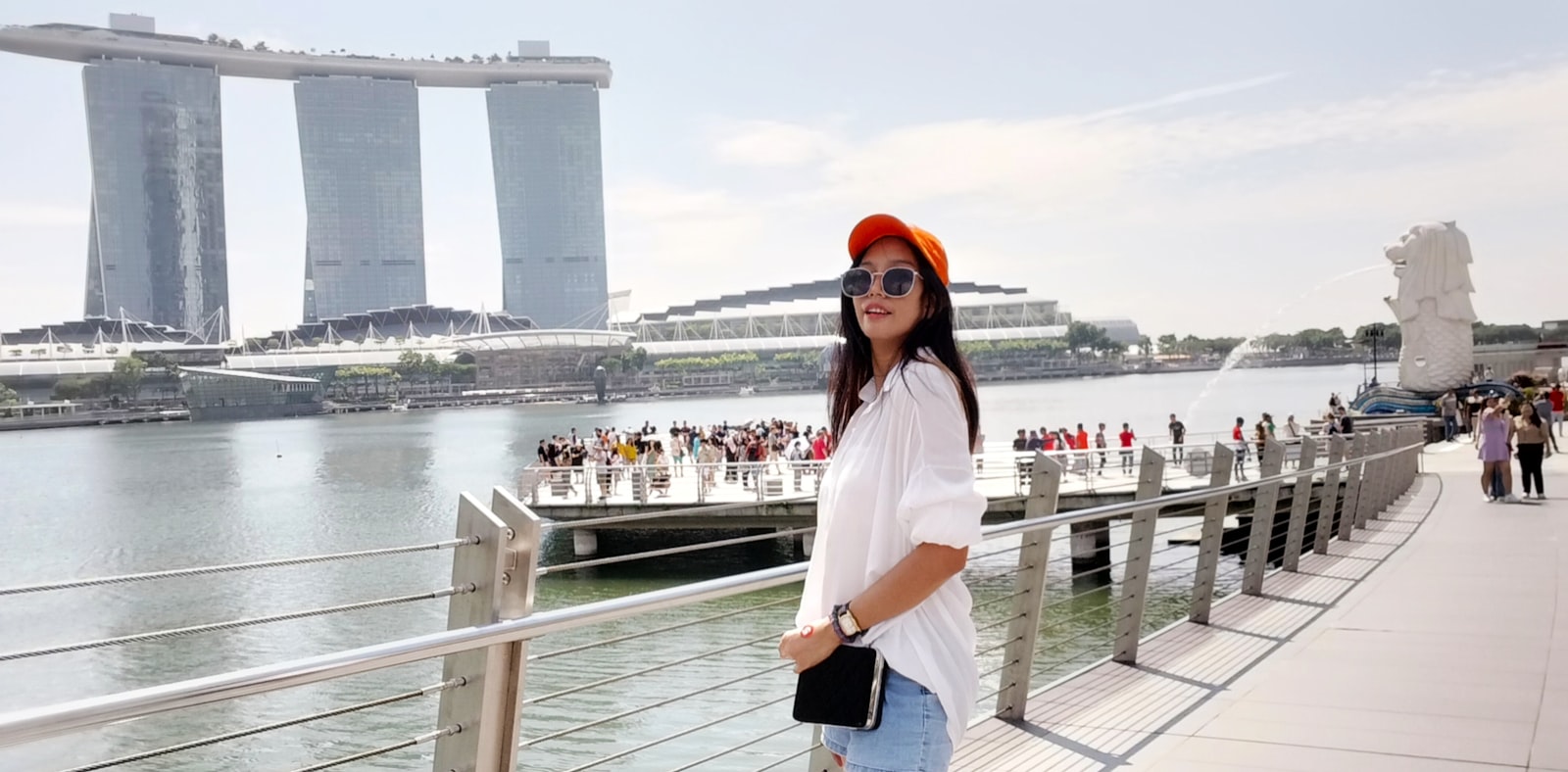
Learning to dress for your body shape is one of the most useful style skills you can pick up, and it has nothing to do with hiding anything. Every body is a good body. The point of understanding your proportions is simply to help clothes sit comfortably and look intentional, so you spend less time tugging at hems and more time feeling like yourself. This guide skips the shaming language you may have read elsewhere and focuses on fit, balance and confidence, all adapted for Singapore’s heat.
Dressing for Your Body Is About Balance, Not Rules
Old fashion advice loved to talk about disguising, minimising and correcting, as if a body were a problem to solve. It is not. A more helpful idea is balance: clothes tend to look considered when the overall proportions feel harmonious to your own eye. That is a preference, not a law.
There is no single correct shape, and the popular fruit and letter labels are rough guides at best. Most people do not fit neatly into one, and your shape can change through the years, which is completely normal. Use any framework as a loose starting point, then trust the mirror and, more importantly, how an outfit feels. If you can move, breathe and sit comfortably in it, that is worth more than any rule.
Understanding Proportion and Fit
Two things do more for how clothes look than anything else: proportion and fit. Proportion is about how the lengths and volumes of your outfit relate to each other. Fit is about how the garment sits on you specifically.
A few gentle principles help almost everyone:
- If one half of your outfit is loose, a cleaner line on the other half keeps the look intentional. Two very baggy pieces can read as one big shape, which some people love and others do not.
- Where a hem or waistband lands changes everything. A top that ends at your natural waist, or trousers that hit the right point on your leg, can transform a piece that felt off.
- Necklines, sleeve lengths and where a garment nips or drapes all draw the eye. Notice which ones you enjoy on yourself.
- Tailoring is your friend. A quick alteration at a neighbourhood tailor, taking in a waist or shortening a hem, often costs little and makes high-street clothes feel made for you.
None of this is about a smaller or bigger body being better. It is about clothes fitting the body you have today.
A Gentle Guide to Common Shapes
Because readers often ask, here is a light comparison of common shape descriptions and the kinds of pieces many people with them enjoy. Read it as options, not obligations. If a suggestion does not appeal, ignore it.
| Shape description | Often enjoy | Fit tips | Skip the idea that |
|---|---|---|---|
| Balanced shoulders and hips | Defined waists, wrap styles, most cuts | Play with where you mark the waist | You must always highlight the middle |
| Broader shoulders | Softer necklines, fuller trousers | Balance the top with volume below | Shoulders need to be minimised |
| Fuller hips | A-line skirts, straight trousers, structured tops | Let the lower half skim, not cling | Curves should be hidden |
| Rounder middle | Relaxed tops, open layers, good trousers | Look for length and a clean vertical line | Loose everything is the only option |
| Petite or tall frames | Proportions scaled to you | Adjust hems and sleeve lengths to fit | One length suits every height |
The table is a menu. Take what feels good, leave the rest, and let comfort lead.
Fabric and Fit for Singapore’s Climate
Body-shape advice from cooler countries often assumes structured, layered clothing that would be unbearable here. In our heat and humidity, the smarter move is to get the same balancing effects from lightweight, breathable fabrics. Cotton, linen, Tencel and soft jerseys drape nicely and let air move, so you can wear a skimming shape without overheating.
A few climate-friendly tweaks:
- Choose fabrics with a little structure or a soft drape rather than thin, clingy material that shows every ripple of movement and sweat.
- Loose does not mean shapeless. One defined point, a waist, a shoulder seam, a rolled sleeve, keeps a breezy outfit from swamping you.
- Remember the office air-conditioning. A light layer you can add indoors lets you dress for the heat outside without freezing at your desk, and it adds a flattering vertical line at the same time.
- Darker shades hide damp on a humid day, while lighter, looser pieces feel cooler. Most people find a personal balance between the two.
The goal is clothing that works with your real day: the walk to the MRT, the frigid meeting room, the sudden downpour, and the after-work plans.
Confidence Is the Best Fit
Here is the part the old magazines left out. The most stylish thing you can wear is ease. When an outfit fits well and suits your life, you stop thinking about it, and that quiet confidence reads clearly to everyone around you.
Give yourself permission to experiment without judgement. Try a shape you were once told to avoid and see how it actually feels on you, in daylight, when you are moving around rather than posing in a fitting room. Keep the pieces that make you stand a little taller and let go of the ones that make you fidget, tug or check the mirror all day. Trends will keep telling you which shapes are in or out this year, but your comfort and confidence outlast every one of them. Shop across every budget, from Orchard malls to Bugis, Haji Lane boutiques and preloved finds, and use a tailor to fine-tune the fit. Prices change often, so check the retailer for current figures and let fit and feel, never a size on a label, be your measure of success. Your body is not a trend to fix. It is simply where your style lives.
Explore more
Once your fits feel right, keep building with our guide to finding your personal style and building a wardrobe colour palette that flatters and mixes easily. For the pieces that do the heavy lifting, see wardrobe essentials for women in Singapore and wardrobe essentials for men in Singapore.