
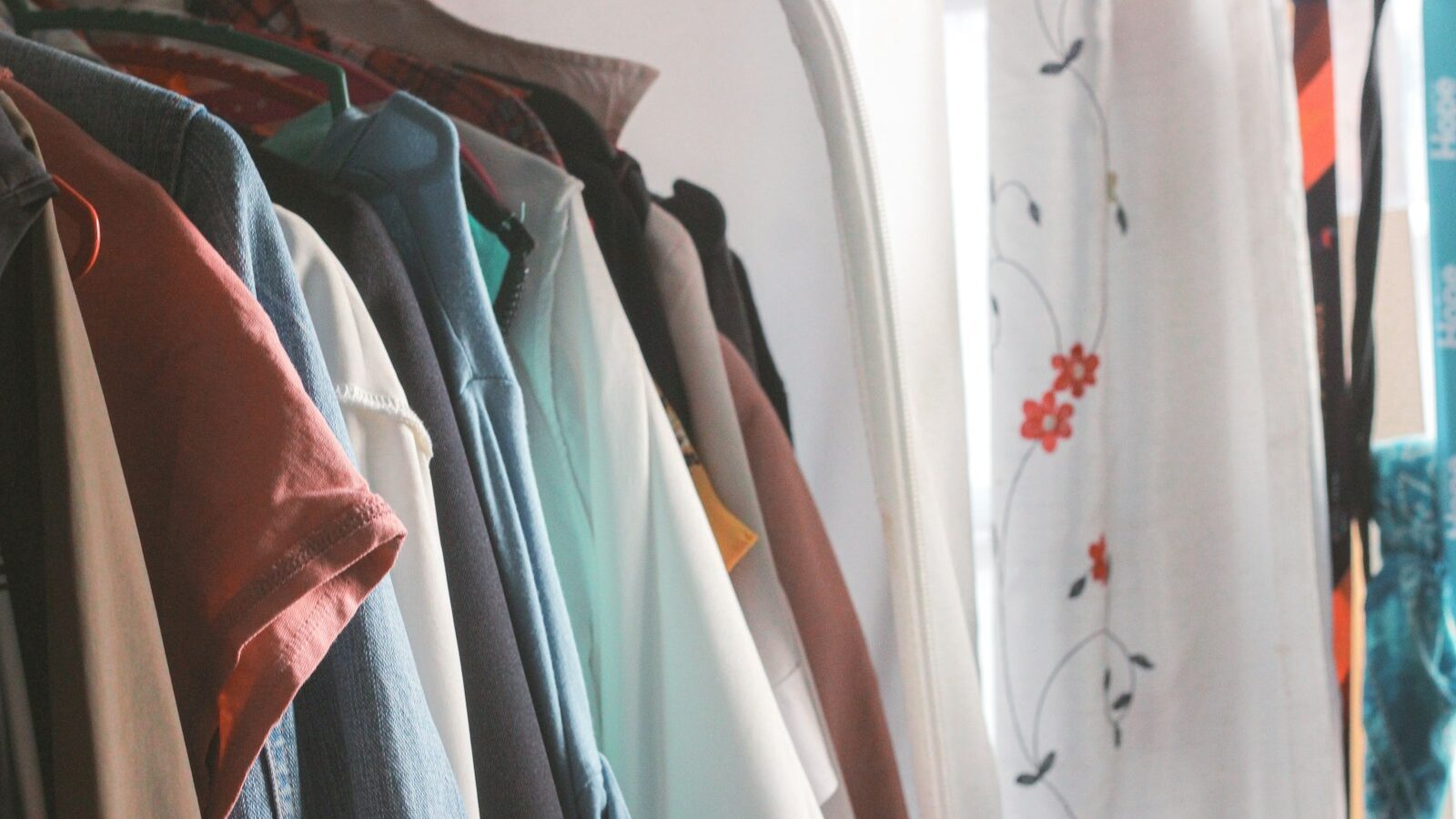
Most of us wear the same fraction of our clothes on repeat, while the rest hangs untouched, creased and quietly gathering mould in our humidity. Learning to declutter your wardrobe in Singapore is less about throwing things away and more about making space for the pieces you actually reach for. A tidy, edited wardrobe saves you time every morning, protects your clothes from our damp climate, and makes getting dressed feel calm rather than chaotic. This guide walks through a gentle, practical method you can finish in an afternoon, with kind and useful ways to pass on whatever you let go.
Why Wardrobes Overflow in Singapore
It helps to understand why the clutter builds up here in particular. Our year-round warmth means we rarely retire a “winter” section, so everything competes for the same rail. Frequent online sales, cheap fast fashion around Bugis and the malls, and holiday shopping overseas all add up faster than we notice. Then there is our humidity, which quietly damages the clothes we forget about, leaving musty smells and mildew spots on things we might otherwise have worn.
There is also the emotional weight. We hold on to the shirt that no longer fits “for when I lose weight”, the pricey dress worn once, and the gift we never liked but feel guilty tossing. None of this makes you disorganised; it makes you normal. The goal is not a bare, minimalist rail but a wardrobe where everything earns its place and you can see what you own at a glance.
Set Up Before You Start
A little preparation makes the whole job faster and less overwhelming. Pick a stretch of a few hours when you will not be interrupted, and switch on the air-conditioning or a fan, because you will be moving a lot and our afternoons are warm. Have these ready:
- A full-length mirror, so you can quickly check how things actually look on.
- Four bags or boxes, labelled keep, repair or alter, donate or sell, and recycle or bin.
- A damp cloth and a dry one, to wipe down shelves and rails as you empty them.
- A drink and a playlist, because momentum matters more than speed.
Now take everything out. Empty the whole wardrobe onto the bed or floor so you can see the full scale of what you own. It looks alarming, and that is the point; a clean, empty rail is far easier to fill thoughtfully than to edit piece by piece.
Sort Category by Category
Rather than working shelf by shelf, sort by category: all your T-shirts together, then all trousers, then shirts, then shoes, and so on. Seeing eleven near-identical black tops in one pile makes decisions obvious in a way that a mixed shelf never does. Pick up each item and place it into one of your four bags. Try not to overthink; your first instinct is usually right.
To keep things moving, run each piece through a few honest questions. Have I worn this in the last year? Does it fit me now, not the me from three years ago or an imagined future one? Would I buy it again today? Is it damaged beyond a quick fix, or stained and stretched? If something is merely out of favour but still good, be honest about whether you will realistically wear it again.
| Pile | What goes here | What to do next |
|---|---|---|
| Keep | Fits now, worn often, in good condition | Clean, then store neatly by category |
| Repair or alter | Loved but loose, hemmed wrong or missing a button | Take to a tailor or mend at home |
| Donate or sell | Good condition but no longer for you | Pass on, sell or give to someone who will wear it |
| Recycle or bin | Stained, holey, worn out beyond repair | Textile recycling, or bin only as a last resort |
Be especially kind to yourself with sentimental and body-image items. If a piece no longer fits, keeping it on display can feel like a daily reproach. There is nothing wrong with every size and shape; let clothes suit the body you have now, and let the rest go without guilt.
Where Your Clothes Go Next
Decluttering only feels good if the outgoing pile actually leaves the house, so deal with it promptly rather than letting bags linger by the door. In Singapore you have plenty of responsible options. Clothes in good condition can go to charity shops and donation bins run by local welfare organisations, or to friends and family through a casual swap. Pieces with real resale value, such as branded items, bags or barely worn dresses, do well on second-hand apps and consignment stores; just photograph them clearly and describe any flaws honestly.
Worn-out textiles that no one can wear should not simply go in the rubbish where avoidable. Look for textile recycling points and take-back schemes, which are slowly growing across the island; check current locations and what they accept before you go, as these change. Whatever route you choose, wash and fold items first, as a small courtesy that keeps good clothes in circulation.
Keeping Your Wardrobe Tidy in the Humidity
The hardest part is not the clear-out but staying clear afterwards. Once your keep pile is clean and dry, put it back with a system you will actually maintain: group by category, hang what creases, fold what does not, and keep everyday pieces at eye level. A slim, coordinated set of clothes is easier to keep tidy, which is one reason many people pair a declutter with building a capsule wardrobe in Singapore.
Our climate needs a little extra care. Make sure nothing goes back damp, use dehumidifier boxes or silica packs in enclosed cupboards, and let air circulate rather than cramming the rail tight. For the full routine on beating mould and musty smells, see our guide on storing clothes in humid Singapore. Finally, adopt a gentle one-in, one-out habit: when something new comes in, let something tired go, and your wardrobe stays light for good.
Explore more
A clear-out is the perfect moment to rebuild with intention. Once you can see what you own, finding your personal style helps you shop with purpose rather than on impulse. To keep your remaining favourites looking their best for years, our guide on how to care for your clothes covers the simple washing, drying and storing habits that make the difference.