
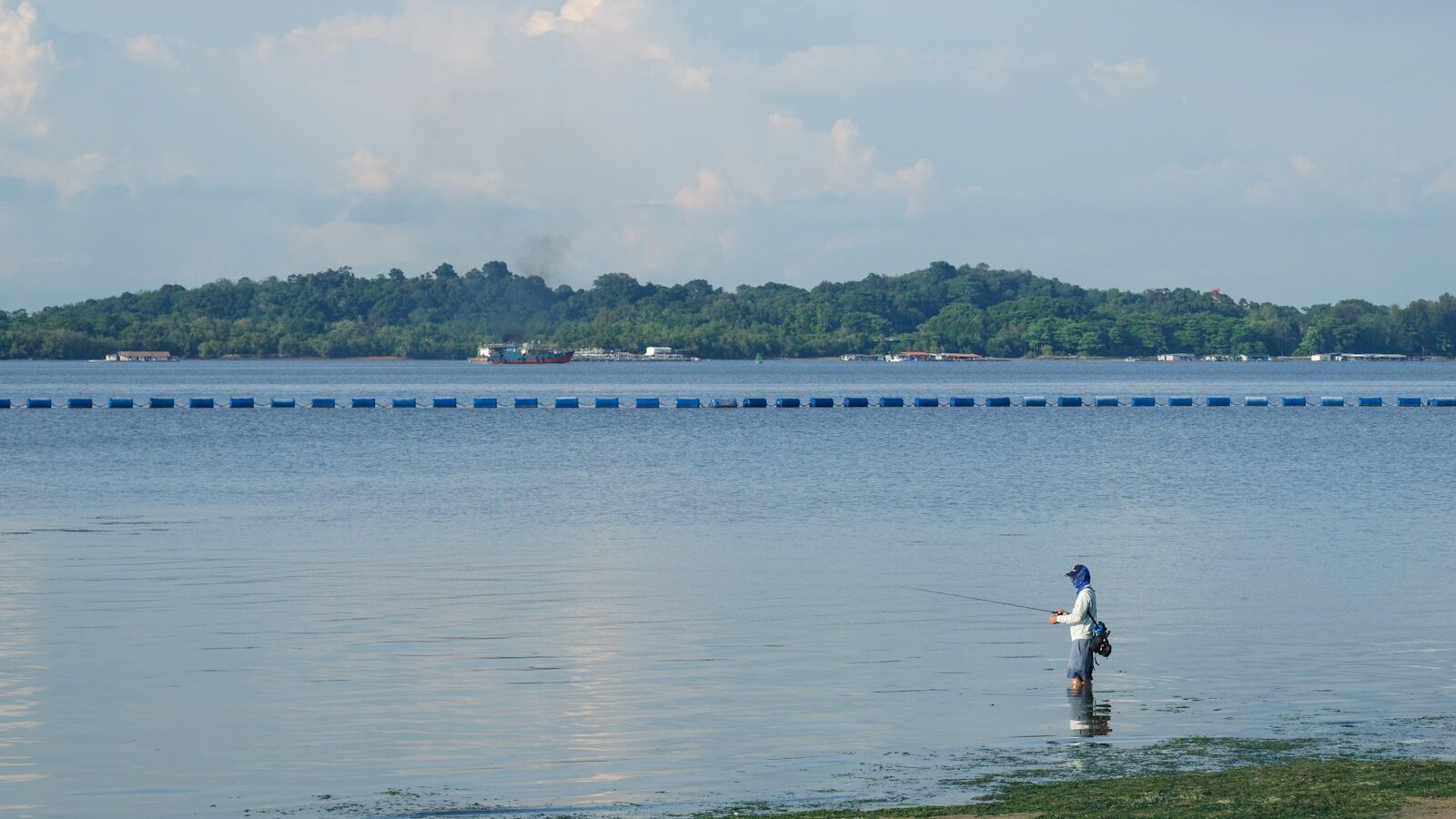
Fishing in Singapore is a calming, low-cost way to spend a morning by the water, and the island offers more spots than newcomers expect, from coastal jetties to selected reservoir edges. The catch, so to speak, is that fishing is only allowed at designated areas and under clear rules set by the authorities. Get those basics right and you can enjoy the hobby responsibly without risking a fine or harming the environment. This guide covers where you can fish, the rules that matter, gear for beginners, and how to stay safe by the water.
For anglers arriving from the mainland, the biggest adjustment is not technique but permission. Here, you cannot simply cast wherever you like. The waterways, parks and reservoirs are managed, and fishing is confined to marked, designated locations, which keeps both people and wildlife safe.
Where You Can Fish
Singapore’s designated fishing areas fall into a few broad types. Because the official list and any conditions can change, always confirm the current designated spots and rules on the NParks website (the National Parks Board) and, for water catchment areas, PUB, the national water agency.
- Coastal jetties and piers: several seaside spots and park jetties have areas set aside for line fishing.
- Reservoir designated grounds: selected reservoirs managed by PUB and NParks have specific fishing zones; fishing outside those zones is not allowed.
- Some park ponds and canals: a limited number of spots may permit fishing in marked areas only.
The golden rule is simple: fish only where a sign or the official listing says you may. If there is no designated fishing area, assume fishing is not permitted there. This protects sensitive habitats, drinking-water catchments and other park users.
The Rules That Matter
Fishing here is a privilege tied to good behaviour, and the rules are practical rather than fussy:
- Fish only in designated areas. This is the single most important rule and applies across reservoirs, parks and coastal spots.
- Follow NParks and PUB conditions, which can cover permitted methods, the number of rods, and gear restrictions in some locations.
- No fishing in prohibited zones, including non-designated reservoir edges and protected areas, where penalties can apply.
- Do not release non-native species or dump bait, tackle or fish into the water, which harms local ecosystems.
- Respect catch-and-release guidance where indicated, and never take protected species.
- Leave no trace. Take home your line, hooks and litter; discarded tackle injures birds and other wildlife.
Rules differ by site, so read the signage on arrival and check the official pages before you go. Specific penalties and any permit conditions are set by the authorities, so rely on their current guidance rather than second-hand advice.
Beginner Gear and Getting Started
You do not need an expensive setup to begin. A basic outfit and a willingness to learn go a long way:
- A rod and reel combo suited to the spot, lighter for ponds and heavier for the coast.
- Line, hooks, swivels and a few sinkers, matched to your target and conditions.
- Bait or simple lures, depending on what is permitted and what bites locally.
- A bucket, pliers, a towel and a small first-aid kit.
- Sun protection: a hat, sunscreen, sunglasses and plenty of water.
Local tackle shops are a friendly source of advice on what works at nearby spots and which rigs are simplest for beginners. Start in daylight, keep your setup modest, and focus on learning to cast safely and handle hooks with care before chasing a big catch.
Designated Spots vs Prohibited Areas
New anglers most often get into trouble by fishing in the wrong place. This comparison keeps the distinction clear.
| Feature | Designated fishing area | Non-designated or prohibited area |
|---|---|---|
| Where | Marked spots on NParks or PUB listings | Anywhere without a fishing designation |
| Status | Fishing allowed under posted rules | Fishing not permitted; penalties may apply |
| Signage | Look for fishing-permitted signs | No sign, or explicit no-fishing sign |
| Environment | Managed for safe, shared use | Sensitive habitat or water catchment |
| Sensible action | Confirm current rules, then fish | Do not fish; find a designated spot |
If you are ever unsure, treat the area as off-limits and check the official list first. It takes a minute and saves a lot of trouble.
Staying Safe by the Water
Water safety is not an afterthought. Jetties get slippery, tides shift, and reservoir edges can be uneven:
- Watch your footing on wet or algae-covered surfaces and keep back from unguarded edges.
- Mind the weather. Stop and seek shelter at the first sign of lightning or a storm, and do not fish in rough coastal conditions.
- Supervise children closely near any water, and consider a life jacket for young ones by the coast.
- Handle hooks carefully, keep them away from bystanders when casting, and store sharp tackle safely.
- Guard against the heat. Bring water, take shade breaks, and watch for signs of heat exhaustion during midday sessions.
Basic courtesy matters too. Give other anglers space, keep noise down in parks, and never leave bait or waste behind.
Making a Day of It
Fishing pairs naturally with Singapore’s other outdoor pursuits, so it is easy to build a wider morning around it. Early risers by the reservoir often spot herons, kingfishers and other wildlife, which our guide to birdwatching and nature spotting for beginners in Singapore can help you appreciate, always from a respectful distance and without feeding the animals. If you would rather move than sit still, a scenic route awaits in joining a parkrun or community run in Singapore. And if you catch the outdoor bug and want to book a court, pool or other facility nearby, see getting an ActiveSG account and booking facilities in Singapore.
Fishing in Singapore rewards patience and respect for the rules. Stick to designated spots, follow NParks and PUB guidance, look after the environment, and keep safety front of mind. Do that, and the quiet hours by the water become one of the most affordable pleasures the island offers.