
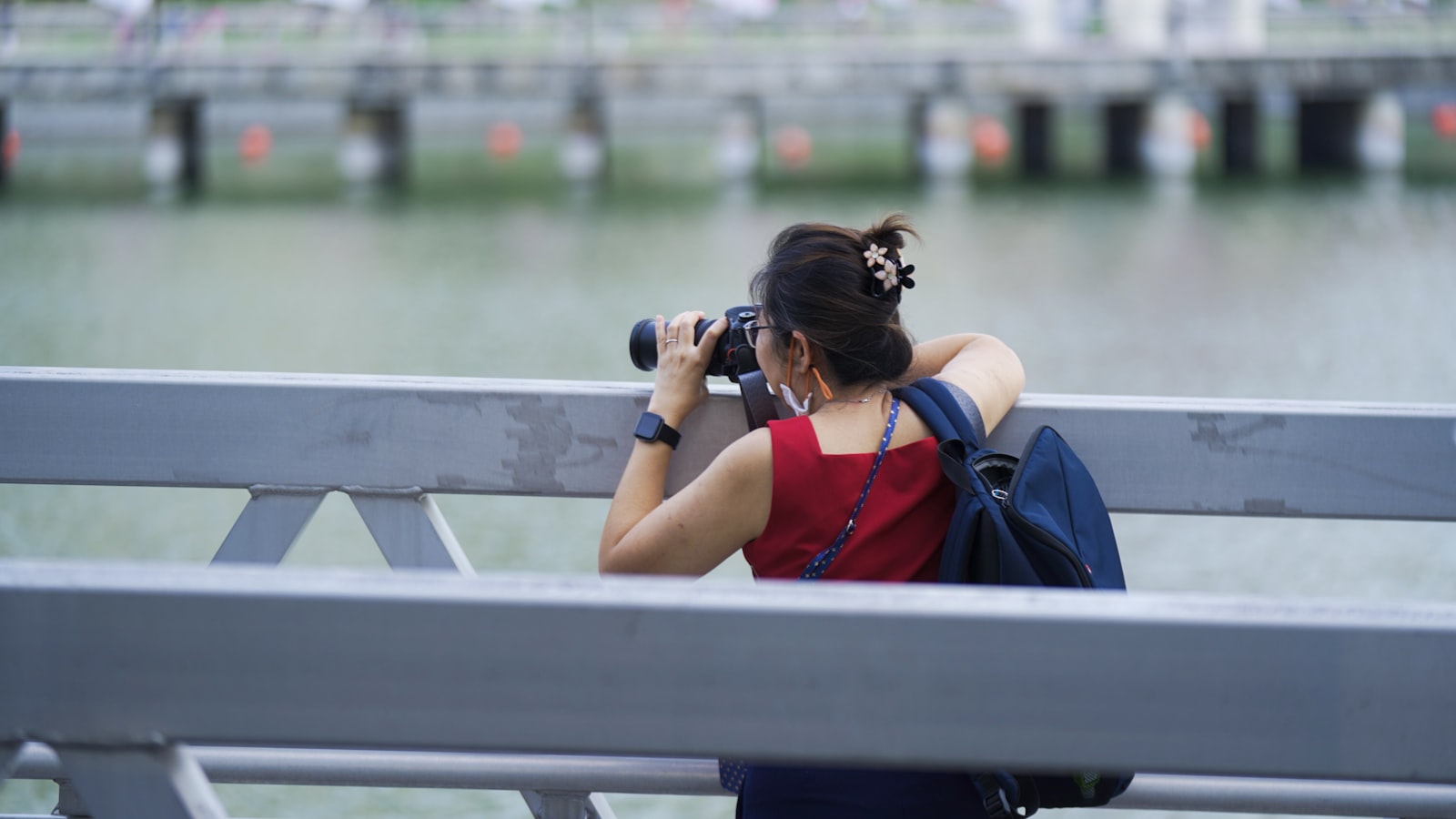
For such a built up island, Singapore is astonishingly rich in wildlife, and you do not need to travel far to see it. Between the parks, park connectors, wetlands and nature reserves, birdwatching Singapore style is one of the most rewarding and affordable hobbies a newcomer can pick up, needing little more than patience and a pair of eyes. Kingfishers, sunbirds, hornbills, otters and monitor lizards all live alongside the city, and once you start noticing them you cannot stop. This beginner’s guide covers where to go, what to bring, how to spot and identify what you see, and how to enjoy nature safely and responsibly.
Park opening details, trail conditions and any access rules can change, so check the National Parks Board (NParks) website and current advisories before you head out.
Why Birdwatching Suits Beginners Here
Birdwatching, or “birding”, simply means observing wild birds, and nature spotting widens that to any wildlife you encounter. It is an ideal hobby for newcomers because it is cheap to start, gentle on the body, and possible almost anywhere green. Singapore makes it especially easy:
- Accessible sites. Many parks and nature areas are reachable by public transport and have proper paths and facilities.
- Year round wildlife. The tropical climate means there is always something to see, with extra migratory birds passing through in the cooler months.
- A friendly community. Local nature groups, guided walks and online communities happily welcome and help beginners.
- Low cost. You can begin with nothing but your eyes and a phone, adding gear only as your interest grows.
You do not need to identify everything on day one. Half the pleasure is simply slowing down and noticing the life that was always there.
Where to Start Looking
You can begin in a neighbourhood park, but a few types of location reward beginners especially well. In general terms, look for:
- Wetland and coastal reserves, which draw waterbirds and, in season, migratory visitors.
- Established nature reserves and larger parks, with mature trees that attract a wide range of resident birds.
- Park connectors and gardens, easy and close to home, great for sunbirds, bulbuls and kingfishers.
- Mangrove and pond edges, good for herons, monitor lizards and, if you are lucky, otters.
For current site details, access points and any advisories, rely on NParks rather than old blog posts. If you would like a gentle introduction with the birds close up before heading into the wild, a visit to a bird park can help you learn to recognise species, and our guide to visiting Mandai: Zoo, Bird Paradise and River Wonders covers what is there. Pairing an early morning walk with a wider day out also works well, and our guide to planning a local staycation in Singapore has ideas.
Gear and Skills to Get Started
The beauty of birding is that you can start with almost nothing and add gear as you go. Here is how the options compare.
| Kit level | What you use | Best for | Rough effort |
|---|---|---|---|
| Bare minimum | Your eyes and phone camera | First few outings, park connectors | None, just turn up |
| Beginner | Entry binoculars, a field guide or app | Regular local walks | Small outlay, big improvement |
| Enthusiast | Better binoculars, a zoom camera | Reserves, photography | More investment and practice |
| Hobbyist | Spotting scope, telephoto lens | Distant waterbirds, serious IDs | Significant, for the committed |
A few skills make an enormous difference:
- Go early. Birds are most active in the cool of early morning, so an early start beats a late one.
- Move slowly and quietly. Sudden movement and noise scare wildlife off. Pause, watch and let the scene settle.
- Use your ears. Many birds are heard before they are seen, so learn a few common calls.
- Learn to identify. A field guide or a bird identification app helps you name what you see by size, colour, shape and behaviour.
- Keep simple notes. Jotting down what and where you saw builds your knowledge fast and is part of the fun.
For newcomers from mainland China, the accessible, well signposted nature of Singapore’s parks is a pleasant surprise: you can be among genuine wildlife within a short bus or train ride of home, no expedition required.
Watching Wildlife Safely and Responsibly
Enjoying nature comes with a duty to protect it and yourself. Follow these principles every time:
- Do not touch or feed wildlife. Feeding harms animals, changes their behaviour and can be dangerous, and it is prohibited in many areas. Keep a respectful distance from monkeys, otters, wild boar and monitor lizards.
- Keep your distance from all animals. Use binoculars or zoom rather than approaching. Never corner or crowd an animal, and give nesting birds plenty of space.
- Follow NParks advisories and signage. Rules on access, trails and animal encounters exist for good reason, so heed them.
- Mind the heat. Carry water, wear a hat and sunscreen, and go in the cooler hours to avoid heat tiredness.
- Watch your footing and stay on paths. Trails protect fragile habitats and keep you safe near water and undergrowth.
- Take only photos, leave only footprints. Carry your litter out and do not remove plants, shells or anything else.
If you encounter a bolder animal such as a monkey or wild boar, stay calm, do not run, keep your food out of sight, and back away slowly. Report any injured wildlife to NParks rather than handling it yourself.
Birdwatching and nature spotting reward curiosity more than money. Start close to home, go early and quietly, add a pair of binoculars when you are ready, and always put the animals’ welfare first. Before long you will be reading the trees for movement and recognising old feathered friends on your morning walk.
Explore more: visiting Mandai: Zoo, Bird Paradise and River Wonders, joining a parkrun or community run in Singapore, and fishing spots and rules in Singapore.