
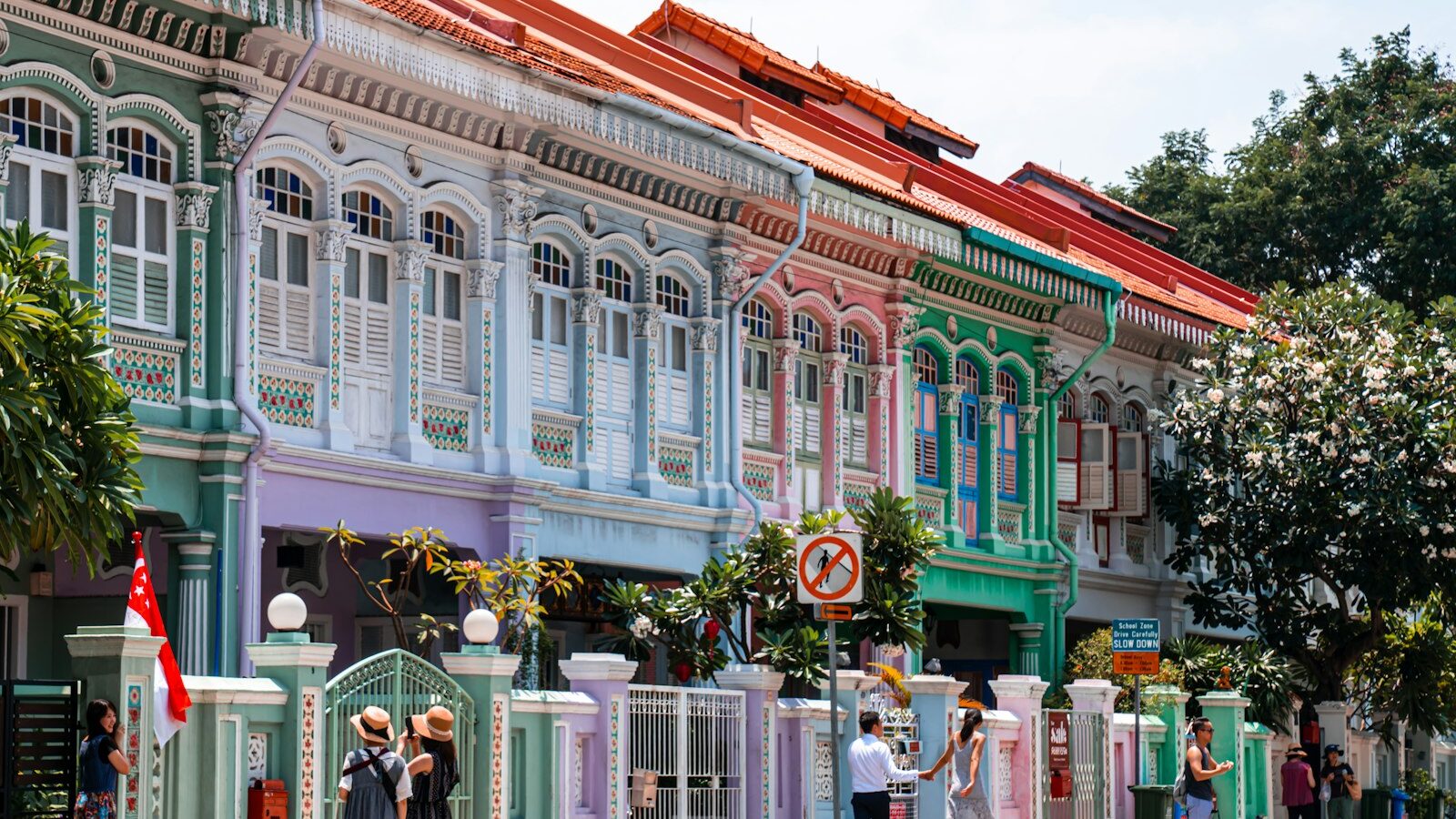
Walk through some older condominiums in places like Tampines, Pasir Ris, Bishan or Bukit Timah and you may hear residents describe their home as “ex-HUDC”. HUDC estates in Singapore have an unusual story: they started as public housing for families who earned too much for an ordinary HDB flat, were later turned into private condominiums, and in many cases were then sold collectively to developers. Understanding that journey helps if you are buying into one, living in one or simply curious about the city’s housing history.
This article is general information, not legal or property advice. Rules on privatisation, leases and collective sales are set by bodies such as HDB, the Singapore Land Authority (SLA) and the Urban Redevelopment Authority (URA), and current details should be checked with them and with a property lawyer.

What HUDC Flats Were and Why They Were Built
HUDC stands for Housing and Urban Development Company. It was set up in the 1970s to build homes for the “sandwich class”, households whose incomes were above the limit for HDB flats but who still found private property out of reach. The estates looked and felt different from typical HDB blocks: larger units, lower density, and often facilities such as a swimming pool or tennis court.
In the early 1980s, the role of building these flats passed to HDB, which continued building HUDC estates for several more years. Production stopped later in the decade, partly because executive and larger HDB flats, and later executive condominiums (ECs), increasingly met the same need. Altogether, the programme produced a relatively small number of estates spread across the island, which is one reason ex-HUDCs are a niche but well-known part of the property market.
Owners bought their flats on long leases, typically 99 years, under conditions similar in spirit to public housing. HDB owned the land and managed the estates, and owners were subject to public housing rules.
How Privatisation Worked
From the mid-1990s, the government allowed HUDC estates to privatise. In broad terms:
- Owners voted. An estate could apply for privatisation if enough owners agreed, under the thresholds set at the time.
- Land title passed to the owners. The common property was transferred to a management corporation, the MCST (Management Corporation Strata Title), which is the same structure used in ordinary condominiums.
- The estate became private property. Flats were treated as private homes, with the restrictions of public housing falling away, while the remaining lease carried on from the original start date.
- Owners took over the bills. With privatisation came responsibility for maintenance, repairs and sinking funds through the MCST, rather than relying on HDB.
Over time, the HUDC estates went through this process, with the larger wave happening in the late 1990s and 2000s. For owners, the attraction was clear: private status could lift values, give more flexibility to sell or rent, and open the door to a future collective sale. Our guide to EC minimum occupation and privatisation explains a similar shift from public to private status in a different scheme.
Before and After: HUDC, Privatised HUDC and En Bloc
| Stage | Who manages the estate | What owners hold | What usually changes |
|---|---|---|---|
| Original HUDC flat | HDB, as landlord and estate manager | A leasehold flat under public housing conditions | Owners follow HDB rules on use, resale and occupation |
| Privatised ex-HUDC | The MCST elected by owners | A strata-titled private unit with the original lease still running | Owners pay maintenance and sinking funds and follow condo by-laws |
| After an en bloc sale | The developer, then a new MCST for the new project | Former owners receive sale proceeds; new buyers own units in the new development | Old blocks demolished and land redeveloped, often at higher density |
Why So Many Went En Bloc
A collective sale, or en bloc, happens when owners of a development agree to sell the whole site together to a developer. Ex-HUDC estates have several features that made them attractive to developers:
- Large, low-density sites. Built with generous spacing and relatively few storeys, many sat on land that could take far more homes under current planning parameters. See understanding plot ratio and en bloc potential for how this works.
- Good locations. Many were near MRT stations, schools and town centres that had grown up around them.
- Ageing buildings and leases. As blocks aged and leases ran down, owners faced rising repair costs and the question of what their unit would be worth later in the lease.
Estates such as Tampines Court and Shunfu Ville are among the ex-HUDCs reported to have been sold en bloc, particularly during the collective sale wave of the late 2010s. Others have attempted sales that did not reach the required consent or did not find a buyer at the reserve price.
The lease matters here. Because an ex-HUDC’s lease started decades ago, a developer buying the site usually needs to pay to top up the lease to a fresh term before redevelopment, under arrangements set by SLA and the relevant authorities. That cost is part of the developer’s sums and affects what they are willing to pay owners. Our explainers on en bloc sales explained and what en bloc means for owners cover the consent thresholds, the sales committee and the timeline in detail.
What to Consider if You Are Buying or Living in One
If you are looking at a remaining ex-HUDC unit, or you already own one, a few points deserve attention.
- Check the remaining lease carefully. Ask your lawyer or agent for the exact lease start date. Remaining lease affects financing, the use of CPF savings for the purchase, and long-term value. Check the current rules with CPF Board and your bank.
- Do not buy only for the en bloc dream. A collective sale needs a high level of owner consent, a willing developer and suitable market conditions. Many estates wait years, and some never sell. Make sure the home works for you even if no sale happens.
- Look at the MCST’s health. Ask about the sinking fund balance, recent and planned major repairs, and minutes of general meetings. Older estates may need significant works such as lift replacement, re-roofing or facade repairs.
- Understand your rights in a collective sale. If an en bloc is proposed and you do not agree, there is a process for minority owners to object. Our guide to objecting to an en bloc sale as a minority owner explains how it works.
- Consider the community. Many ex-HUDC residents have lived there for decades. Long-time owners may have strong views about whether to sell, and en bloc discussions can strain neighbourly relations.
A Distinctive Chapter in Singapore Housing
Former HUDC estates sit between public and private housing in Singapore’s story. They were built to bridge a gap for middle-income families, converted into private condominiums when policy changed, and then became prime candidates for redevelopment as the city grew around them. A number of the original estates have now disappeared under new condominium projects, while others remain home to long-standing communities. Whatever stage an estate is at, the key questions are the same: how much lease is left, how healthy the estate’s finances are, and what the owners collectively want for its future. For anything specific, check with HDB, SLA, URA and a qualified property lawyer.
Frequently Asked Questions
How is an ex-HUDC different from an executive condominium? Both moved from public towards private, but by different routes. HUDC estates were built for the sandwich class and later privatised after owners voted, while ECs are a separate scheme that becomes fully private after a set period. Check the details of each scheme with HDB.
Can I use CPF to buy a privatised ex-HUDC unit? CPF use for a private unit depends heavily on the remaining lease, since the original lease started decades ago. The lease also affects bank financing. Ask your lawyer for the exact lease start date, then check the current rules with the CPF Board and your bank.
Can foreigners buy a privatised ex-HUDC flat? Privatised ex-HUDC units are treated as private homes, so the public housing restrictions no longer apply. Other rules and taxes on property purchases by foreigners may still apply, so check with IRAS, SLA and a property lawyer before committing.
How do I find out the lease start date of an ex-HUDC unit? Ask your lawyer or property agent for the exact lease start date, which determines the remaining lease, and have them confirm it from the title documents. It affects financing, CPF use and long-term value, and later lease top-up in a collective sale.
What should I check about the estate’s finances before buying? Ask about the MCST’s sinking fund balance, recent and planned major repairs, and the minutes of general meetings. Older estates may need significant works such as lift replacement, re-roofing or facade repairs, and owners pay for these. Do not buy only for the en bloc hope.