
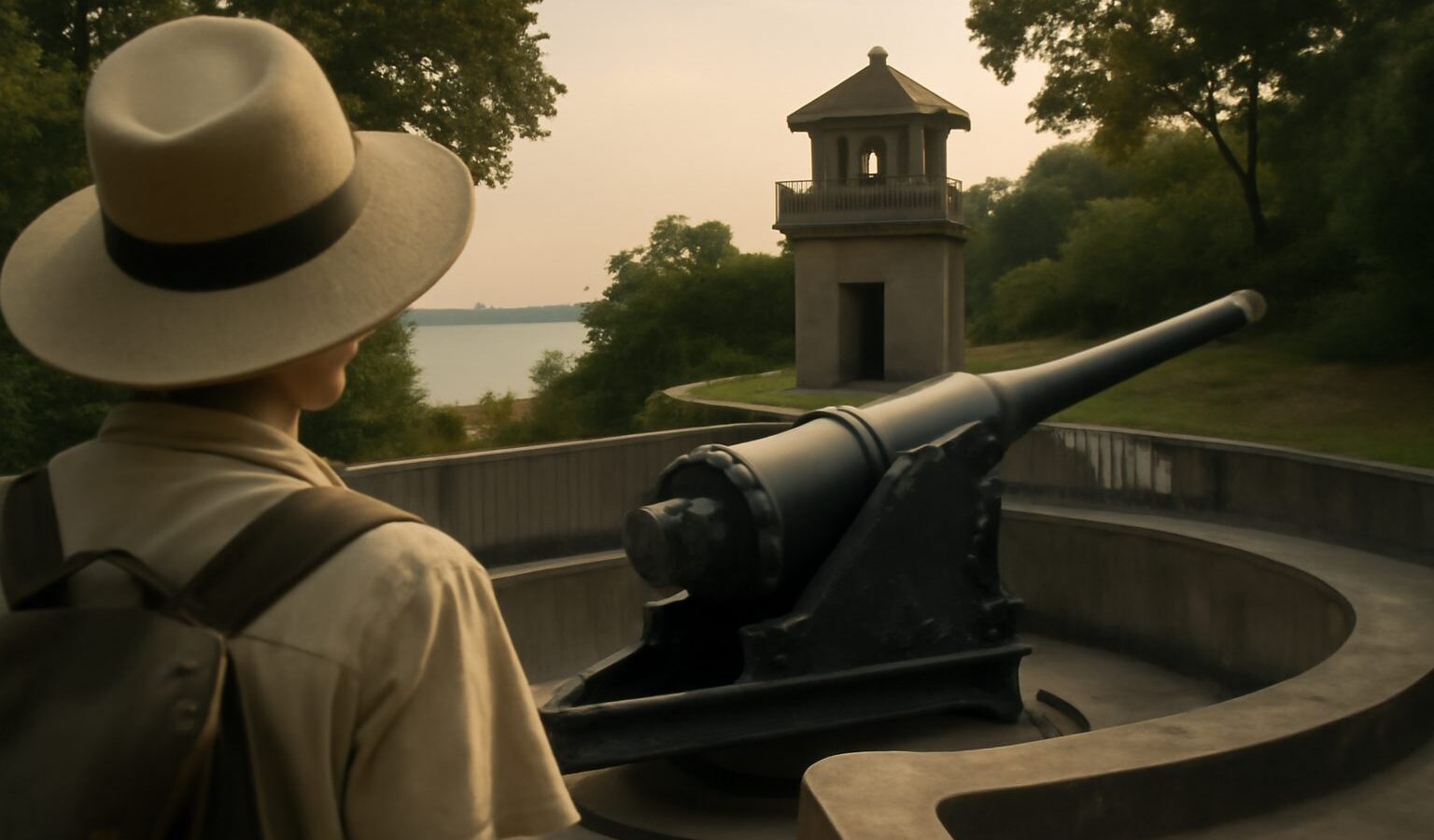
On the western tip of Sentosa, hidden among the greenery above the beaches, stands Fort Siloso, the best preserved coastal defence fort in Singapore. Its gun emplacements, tunnels and old barracks once guarded the sea approaches to the island, and today they form an open-air heritage site where you can walk through the layers of Singapore’s military past. For anyone wanting to understand the Second World War in Singapore, and the wider story of how the island was defended, Fort Siloso is a thoughtful and moving place to spend a morning.
This guide covers the history of Fort Siloso, what you will see there today, how to plan a respectful visit, and why this coastal fort still matters in Singapore’s memory.
The History of Fort Siloso
Fort Siloso dates from the late nineteenth century, when Singapore was a British colony and a major port. To protect the harbour and the sea lanes, the British built a series of coastal artillery batteries around the island, and the guns on the island then known for its fort were among the strongest, positioned to fire on ships approaching from the sea to the west.
For decades the fort’s role was straightforward: watch the sea and defend the harbour approaches. Its most sobering chapter came during the Second World War. When the Japanese advanced in early 1942, the attack came overland from the north through the Malayan peninsula rather than from the sea. Singapore fell in February 1942, beginning a difficult occupation that lasted until 1945. The story of the coastal guns, built to face the sea while the danger came from the land, has become one of the enduring lessons drawn from the fall of Singapore.
After the war and into the post-independence years, the site eventually passed out of military use and was preserved as a heritage attraction, so that later generations could learn from it. It is important to treat the fort not as a novelty but as a place tied to real loss and hardship for many people.
What You Will See Today
Fort Siloso is an outdoor heritage site spread across a wooded headland, and much of the original military fabric survives.
- Gun emplacements and coastal batteries, where large guns once stood, giving a real sense of scale and of the sightlines out to sea.
- Tunnels, magazines and bunkers cut into the hillside, where ammunition and equipment were stored and where soldiers sheltered.
- Restored buildings and barracks, some presented with displays and figures that show daily life at the fort in different eras.
- Wartime exhibits that explain the fall of Singapore, the occupation and the surrender, presented so visitors can reflect on the human cost.
- The Fort Siloso Skywalk, an elevated walkway and tower that leads up to the fort through the treetops, offering views and an easier approach from below.
Because the site is spread out and hilly, it rewards unhurried exploring. Allow a couple of hours if you want to read the panels and take the tunnels in properly.
Planning a Respectful Visit
A little planning makes for a comfortable and considerate visit to this heritage site.
- Check current details first. Look up the latest opening hours, any admission arrangements and how to reach Sentosa before you go, as these can change.
- Plan your route on Sentosa. The fort is on the western end of the island, reachable by the island’s internal transport, on foot, or via the Skywalk, so decide your approach in advance.
- Dress for the outdoors. Wear comfortable shoes, a hat and sun protection, bring water, and be ready for stairs, slopes and uneven ground.
- Give the site its due. This is a place tied to war and hardship, so read the exhibits, keep a respectful tone in the memorial and historical areas, and supervise children around the guns and tunnels.
- Combine thoughtfully. Sentosa is a leisure island, but consider giving the fort its own quiet slot rather than squeezing it between busier attractions.
How It Fits Among Heritage Sites
Fort Siloso is one of several ways to encounter Singapore’s history, each with a different focus. The table compares their general character rather than fixed details, which you should always confirm before visiting.
| Site | Main focus | Good for |
|---|---|---|
| Fort Siloso | Coastal defence and the fall of Singapore | Military and wartime heritage |
| A national wartime memorial | Remembrance of those who suffered and died | Reflection and commemoration |
| A city planning gallery | How the island is planned and built today | The modern city’s shape |
| A conserved heritage home | Everyday family life of the past | Intimate social history |
Together they give a fuller picture. Fort Siloso holds the military and wartime strand of that story, and holds it in the actual ground where the guns once stood.
Why Fort Siloso Still Matters
Fort Siloso endures as a place of learning because it makes an abstract lesson tangible. The often noted image of coastal guns built to face the sea, while the invasion came overland, is a reminder that defences and plans can be undone by an unexpected direction of attack. That lesson has shaped how modern Singapore thinks about its own security and self-reliance.
Just as important, the fort is a place of remembrance. The fall of Singapore in 1942 and the years of occupation that followed brought real suffering to people across every community on the island. Preserving the fort keeps that memory present, so it is felt rather than merely read about, and so later generations understand the cost behind the peace they inherit.
For a visitor, Fort Siloso offers something Sentosa’s beaches do not: a quiet, grounding encounter with history in the open air. Walk its batteries and tunnels with care and curiosity, and you leave with a deeper sense of how fragile, and how hard won, stability can be.
Explore more: to widen the picture, visit the Singapore City Gallery to see how the island is planned today, step into the NUS Baba House for intimate social history, or read about the gotong royong and kampong spirit that helped communities pull through hard times.