
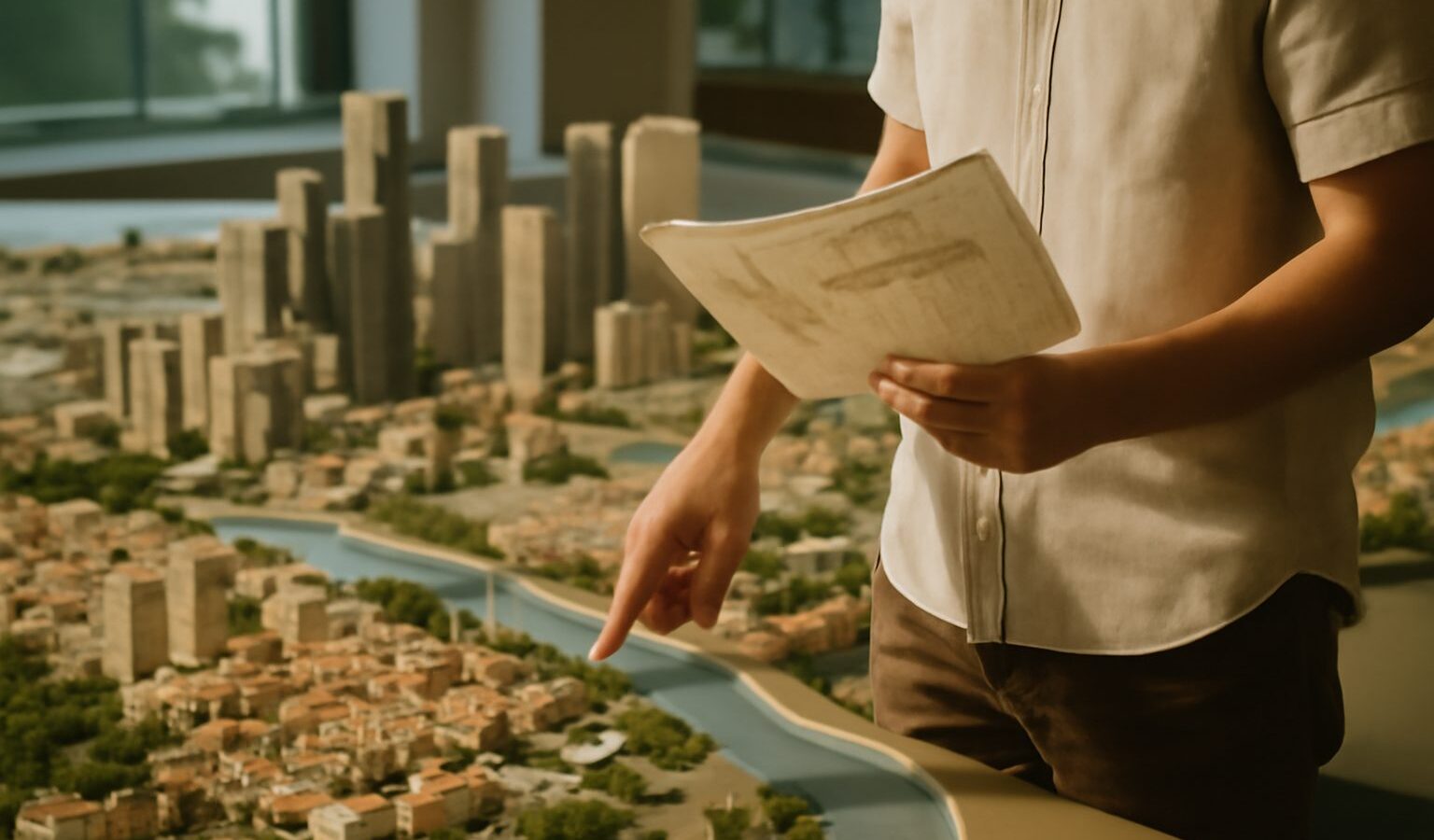
If you have ever looked out over Marina Bay and wondered how a small island fits so much life into so little land, the Singapore City Gallery is the place that answers you. Run by the Urban Redevelopment Authority (URA), the planning agency for the island, it is a free gallery in Chinatown that lays out how Singapore is imagined, planned and built. For newcomers trying to understand the city, and for locals who have never stopped to ask how their neighbourhood came to be, it is one of the most quietly rewarding visits in town.
This guide explains what the Singapore City Gallery is, what you will see inside, how to plan a comfortable visit, and why a gallery about town planning tells you so much about Singapore itself.
What the Singapore City Gallery Is
The gallery sits inside the URA Centre on Maxwell Road, on the edge of Chinatown and a short walk from Tanjong Pagar and Telok Ayer. It is a public gallery, not a commercial museum, and it exists to explain how Singapore approaches a hard problem: housing more than five million people, plus their homes, offices, parks, ports and reservoirs, on roughly 730 square kilometres of land.
Because land is so scarce, Singapore plans decades ahead. The gallery shows that thinking made visible. Across several floors of exhibits you can trace how the government reclaims land from the sea, layers roads and rail underground, sets aside green corridors, and conserves old shophouses even as new towers rise. It is heritage and future in one building, which suits a country that is always negotiating between the two.
Entry has generally been free, which makes it an easy stop on any Chinatown walk. As with any public gallery, do check current opening days and times before you go, since these can change and the gallery may close for events or updates.
What to See Inside
The best known exhibit is the large architectural model of the central area, a detailed scale model showing thousands of buildings in miniature. Standing over it, you can pick out the Singapore River bending past the financial district, the civic buildings around the Padang, and the towers of the bay. It is the clearest way to grasp how the historic core, the port and the new downtown fit together.
Beyond the model, the exhibits are worth slowing down for.
- Planning galleries that explain the long-term concept plan and master plan, the documents that guide where homes, industry and green space go over the coming decades.
- Conservation displays showing how shophouses, places of worship and old quarters such as Chinatown, Kampong Glam and Little India are protected rather than cleared, and why that heritage matters.
- Land and infrastructure exhibits on reclamation, transport and the unseen engineering, from drainage to underground space, that keeps a dense city working.
- Interactive and audiovisual features that let you see how a district changes over time, useful for children and for anyone who learns by doing rather than reading.
Give yourself around an hour to an hour and a half. It is a compact gallery, but the ideas reward a slow read rather than a quick lap.
Planning Your Visit
A little preparation makes the visit smoother, especially in the heat.
- Check details first. Look up current opening days, hours and any admission notes on the URA website before setting out, and note that the gallery may close on certain days.
- Come by public transport. The gallery is walkable from several MRT stations around Chinatown, Tanjong Pagar, Maxwell and Telok Ayer. Parking in the area is limited, so trains are easier.
- Pair it with Chinatown. The gallery sits among some of the oldest streets in Singapore, so build a half day around it with a nearby heritage centre, a temple visit or a hawker lunch.
- Dress for comfort. The gallery is air-conditioned, but the walk to it is not, so bring water and light clothing.
- Bring curiosity, not just a camera. The exhibits reward reading the panels, so allow time to actually take the ideas in.
The gallery is family friendly and suits a wide range of visitors, from students and design lovers to newcomers settling in who want to understand their new home.
How It Compares to Other Heritage Stops
Chinatown and its surrounds hold several places that tell Singapore’s story from different angles. The table below is a rough guide to help you choose, based on their general focus rather than fixed details, which you should always check before visiting.
| Place | Main focus | Good for |
|---|---|---|
| Singapore City Gallery | How the whole island is planned and built | The big picture of the city |
| A neighbourhood heritage centre | Daily life and migration history of one community | Personal, human stories |
| A conserved shophouse museum | One building and the families who lived in it | Intimate, room-by-room detail |
| A coastal heritage fort | Military and wartime history of the island | Defence and wartime memory |
Each answers a different question. The Singapore City Gallery answers the widest one: how does a whole city hold together and keep planning for what comes next.
Why a Planning Gallery Matters
It might seem unusual to build a public gallery about town planning, yet it fits Singapore perfectly. So much of what residents value here, affordable public housing, green neighbourhoods, reliable transport and protected heritage streets, is the result of deliberate long-term choices. The gallery makes those choices legible, so citizens and newcomers alike can understand the trade-offs behind the skyline.
It also carries a quiet message about heritage. Singapore has faced real tension between growth and memory, and some old places were lost to development in earlier decades. The conservation exhibits show a country that has learnt to weigh both, keeping shophouses and old quarters alive within a modern city rather than choosing only one.
For a newcomer, an hour here is one of the fastest ways to feel oriented. You leave understanding not just where things are, but why they are there, which is a gentler way to belong to a place.
Explore more: if the heritage side draws you in, pair this with the NUS Baba House for an intimate look at one conserved home, Fort Siloso for the island’s wartime defences, or read about everyday traditions such as the kacang putih man and street hawkers whose trades filled these very streets.