
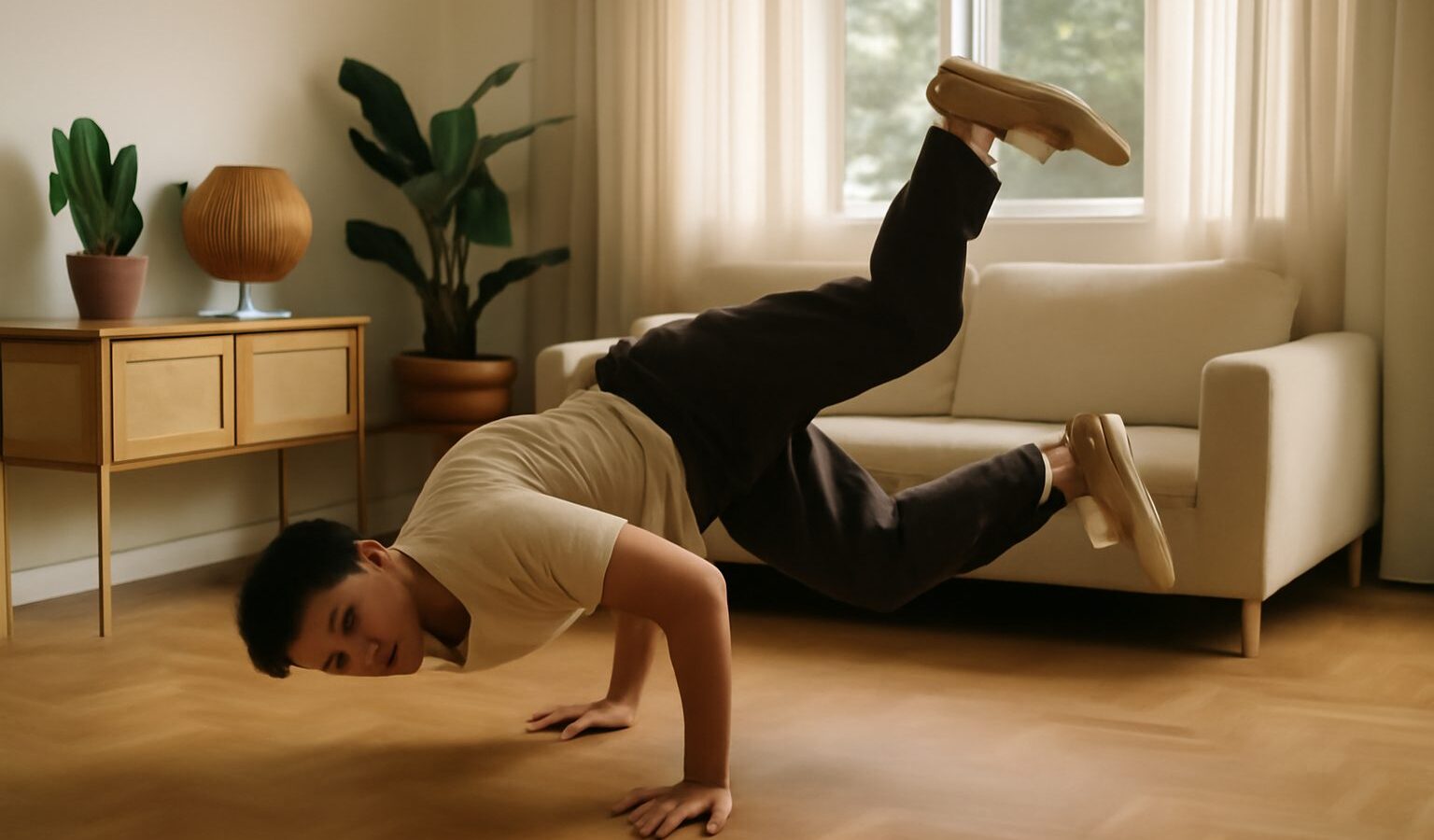
Breakdancing is one of the most dynamic and expressive dance forms in the world, and if you are curious about breakdancing singapore, you have picked a brilliant time to begin. Now recognised as an Olympic sport under the name breaking, this street style blends athleticism, musicality, and raw creativity into something that feels both powerful and playful. You do not need to be a gymnast or a teenager to start. All you need is curiosity, patience, and a willingness to learn the fundamentals properly.
Understanding the Roots and the Vocabulary
Breaking was born in the Bronx in the 1970s as part of the wider hip hop culture, developing alongside DJing, MCing, and graffiti art. Dancers, known as b-boys and b-girls, would take turns showing off their skills in a cypher, a circle formed by onlookers where movement and personality do the talking. That spirit of respect, self expression, and friendly competition still defines the scene today.
The dance itself is built from a handful of core elements. Toprock refers to the standing steps you do to establish your groove and style. Footwork, or downrock, happens on the floor with your hands supporting you as your legs weave intricate patterns. Freezes are the striking held poses that punctuate a set, and power moves are the spins and flips, like windmills and headspins, that draw the biggest reactions. Beginners usually start with toprock and simple footwork before attempting anything acrobatic, and that steady approach is exactly right.
Musicality matters just as much as physical ability. Great breakers listen closely to the breaks in a track, the stripped back drum sections that give the dance its name, and time their moves to match. Learning to feel the rhythm will take you further than any single flashy trick.
Training Safely to Protect Your Body
Breaking places real demand on the body, especially the wrists, shoulders, back, and neck, so learning safely is essential. This is general wellbeing guidance rather than medical advice, and if you have any existing injuries or health concerns, speak to a professional before you start.
Always warm up thoroughly before training. Raise your heart rate with some light cardio, then mobilise your wrists, shoulders, spine, and hips with gentle dynamic movements. Because so much weight passes through the hands and wrists in footwork and freezes, building wrist strength and mobility gradually is important, and many dancers use wrist supports while they develop. Power moves that load the head and neck should only be attempted with proper instruction and progressions, never rushed.
The single best thing you can do is learn with a crew or in a class led by experienced teachers. Training alongside others means you get feedback, encouragement, and a spotter for trickier moves, all of which reduce your risk of injury. Cross training with core work and flexibility helps too. Rest days are not laziness, they are when your body actually adapts and gets stronger, so build them into your routine.
The Culture Beyond the Moves
One of the most rewarding parts of breaking is the community. The scene is welcoming to newcomers who show respect and genuine effort. Sessions, jams, and battles bring dancers together, and you learn as much from watching and chatting as from formal instruction. Etiquette matters, so waiting your turn in the cypher and cheering on others are part of the culture. Embracing this side of breaking will make your journey far richer than simply chasing individual tricks.
Finding Breaking in Singapore
Singapore has a lively and long running breaking community. Dance studios, community centres, and youth spaces around the island run beginner classes, and open sessions where dancers gather to practise are a great way to meet people and learn the unwritten rules. Keep an eye out for local jams and battles, which are wonderful to watch even before you feel ready to join in.
If you want to explore movement more widely first, our guide to adult dance classes in Singapore is a friendly starting point. Since breaking is part of hip hop culture, you may also enjoy getting into hip-hop dance in Singapore and getting into hip-hop music to understand the sounds that shaped the style. To see performance dance up close for inspiration, take a look at attending a dance performance in Singapore.
Above all, be patient and kind to yourself. Progress in breaking comes step by step, and every b-boy and b-girl you admire once wobbled through their first toprock. Show up, warm up, train smart, and enjoy the ride.