
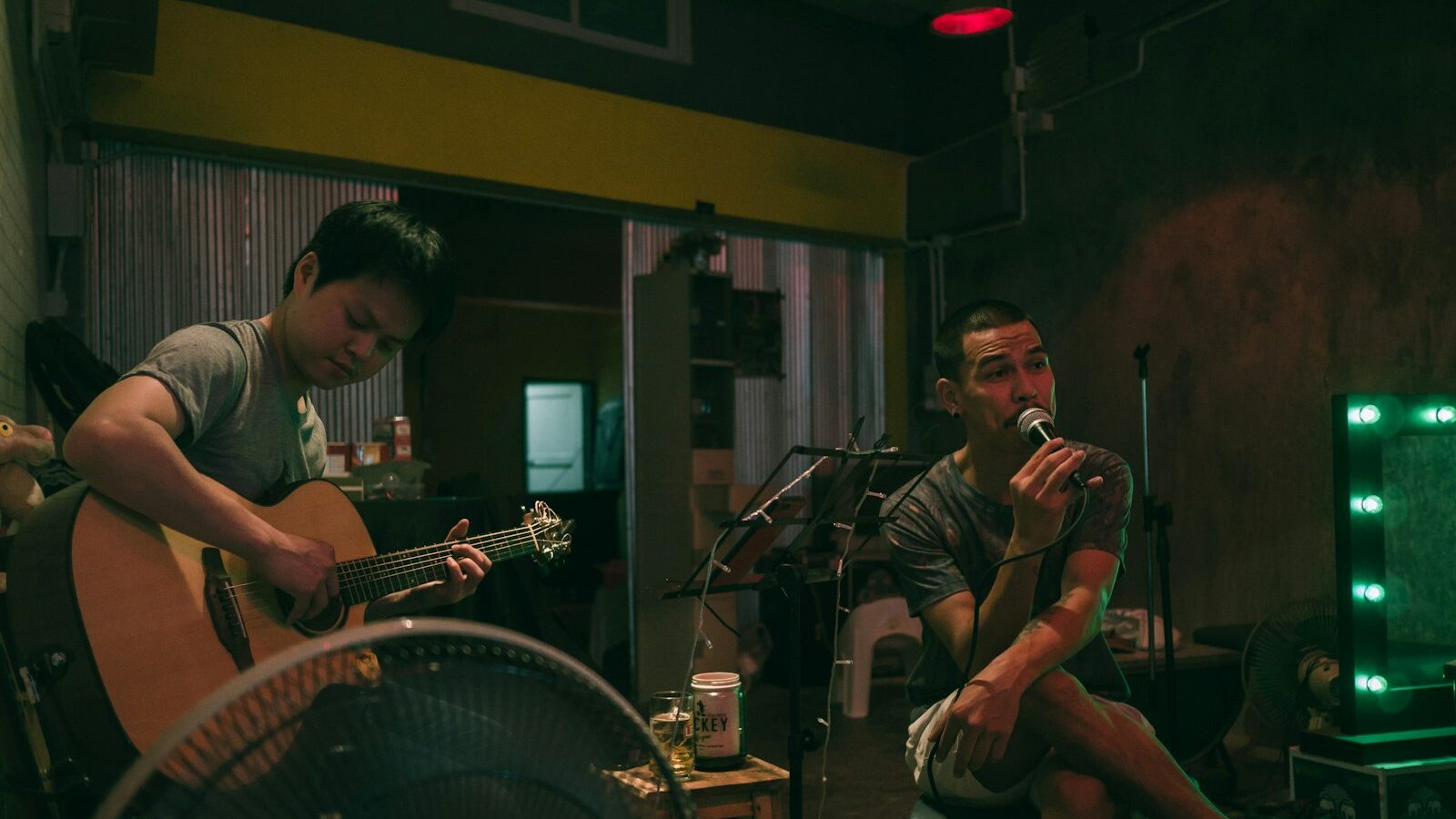
Indie is one of those words everyone uses and few can pin down. It hints at guitars and heartfelt lyrics, at bedroom recordings and sold-out festivals, at something a little left of the mainstream. For anyone drawn to indie music Singapore is a genuinely exciting place to be, with a passionate local scene, small venues, and a community that champions homegrown acts. This guide untangles what indie actually means, what it tends to sound like, and how to start finding the bands and songs that will become yours.
What “Indie” Actually Means
Originally, indie was not a sound at all but a business model. It is short for independent, meaning music released without a major record label, often on small labels or by the artists themselves. That independence shaped everything. Without big budgets or corporate expectations, artists took creative risks, recorded in cheaper studios or at home, and kept full control over their art. The rough edges became part of the appeal.
Over time, indie drifted from meaning simply “independently released” to describing a loose aesthetic and attitude. Today people use it for a broad family of styles that share a certain spirit: personal, honest, a bit unpolished, and more interested in feeling than in chart formulas. You will hear indie rock, indie pop, indie folk, and dreamier strands like shoegaze and dream pop, all under the same umbrella.
This is why indie is so hard to define by sound alone. It is better understood as a mindset. The through-line is authenticity and creative freedom rather than a fixed set of instruments or tempos. Keeping that in mind makes the whole genre easier to navigate.
The Sounds and the Spirit
While indie resists a single description, some common threads run through much of it. Listen for these as you explore:
- Guitars with character. Jangly, chiming, fuzzy, or reverb-drenched, the guitar is often central, and the tone matters as much as the notes.
- Honest, personal vocals. Singers frequently favour an intimate, imperfect, conversational delivery over showy technique. The vulnerability is the point.
- Melody and mood. Indie pop leans on catchy hooks, while dreamier styles wash you in atmosphere and texture.
- A homemade warmth. Many records keep a lo-fi, human quality rather than glossy perfection.
That last point connects indie to the whole culture of recording at home. A huge amount of indie music is made in bedrooms and small flats on modest gear, which is part of why it feels so personal. If that DIY spirit appeals to you, our home recording for beginners guide shows how accessible it has become, and the closely related world of lo-fi music shares indie’s love of imperfect, cosy textures.
Indie also overlaps constantly with other genres. Indie folk borrows acoustic storytelling, indie electronic leans on synths and beats, and indie rock keeps one foot in classic guitar bands. This blurriness is a feature. It means once you find your way in, dozens of side doors open.
How to Discover Indie You Love
Because indie is so vast and so much of it comes from small artists, discovery is half the fun. A few gentle strategies:
Start with a song or artist a friend recommends, then follow the trail. Streaming platforms will suggest similar acts, and indie fans love making playlists, so search for ones built around a mood or a scene. Read the small music blogs and follow independent playlists rather than only the big charts, because that is where new indie surfaces first.
Do not overlook what is happening on your doorstep. Singapore has a vibrant independent music community, with bands playing small venues, open mics, and festivals, and local acts releasing music online for anyone to find. Supporting them, even just by streaming and sharing, keeps the scene alive. Our overview of the live music scene in Singapore is a great starting point for finding gigs, and the many open mics and busking spots around the city are often where tomorrow’s favourites are cutting their teeth tonight.
Let yourself wander without pressure. Indie rewards patience and curiosity more than any checklist. Give an album a full listen before deciding, since indie records often grow on you across a few plays rather than grabbing you instantly.
A Note on Enjoying It Safely
Indie is intimate music that sounds wonderful through good headphones, and it is easy to lose hours in it. Keep the volume moderate and take regular breaks, because loud, prolonged listening can quietly cause permanent hearing damage. At small live venues the sound can be surprisingly loud in a tight room, so a pair of music earplugs is a smart thing to keep in your bag. You will still catch every jangly detail, minus the ringing ears.
Making It Yours
The real gift of indie is that it feels like a personal discovery rather than something sold to you. Each band you unearth becomes a small private treasure, and following one artist to the next can become a happy, lifelong habit. If the DIY spirit inspires you, remember that the barrier to making your own indie music has never been lower, and plenty of beloved records started on gear no fancier than a laptop. So dive in, follow your curiosity, support the artists you love, and let indie lead you somewhere unexpected.