
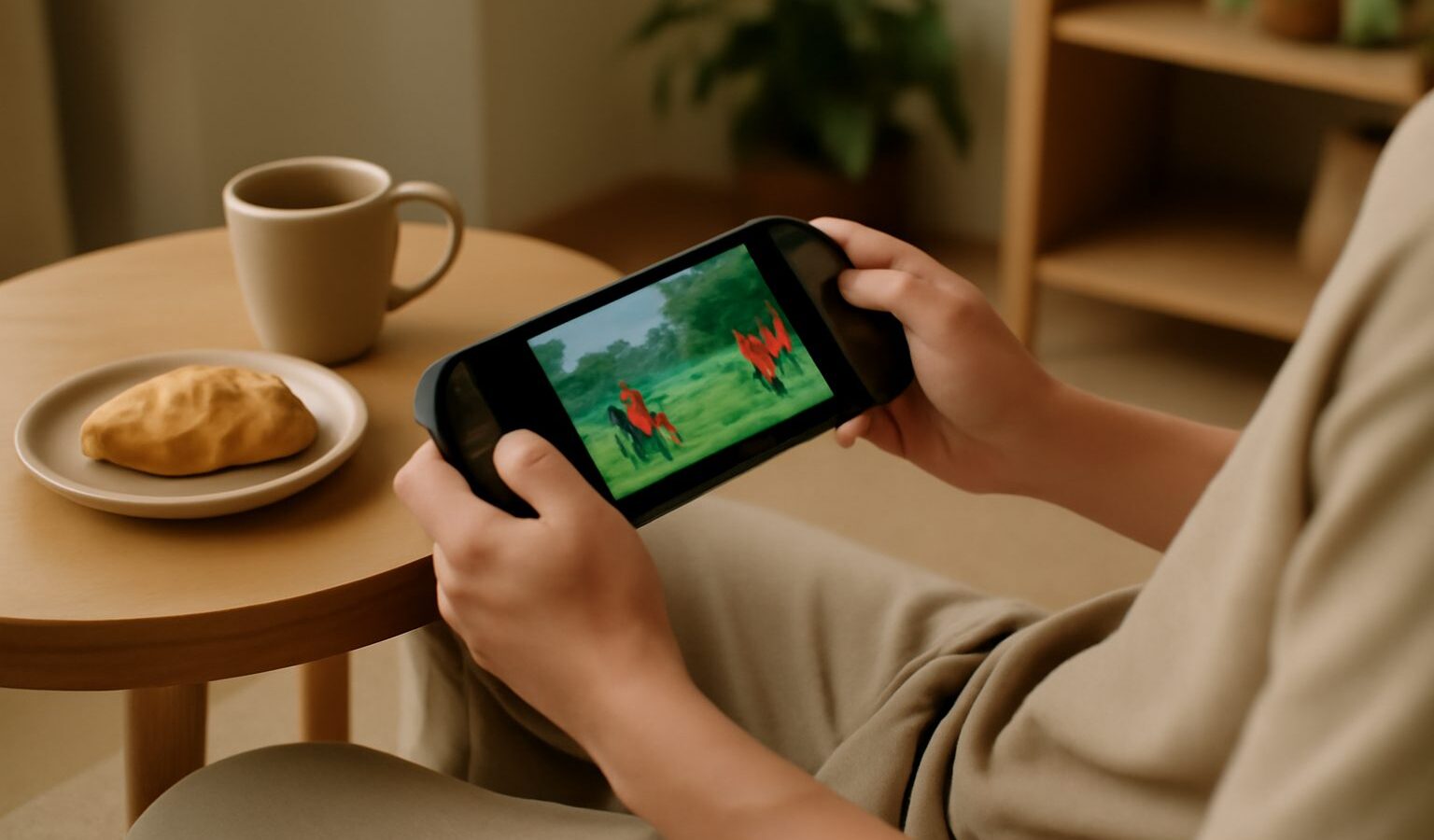
If you have ever watched someone sink dozens of hours into a story-driven adventure with turn-based battles and a sprawling cast, you have seen the appeal of JRPGs. Getting into jrpgs in Singapore is easier than ever, because most of the big series are available on consoles, PC, and even handhelds you can play on the MRT. This guide walks through what a JRPG actually is, what to expect, and how to start without feeling overwhelmed.

What A JRPG Actually Is
JRPG is short for Japanese role-playing game. The name points to a style and tradition rather than a strict rulebook. These games usually put a strong emphasis on story, memorable characters, and a long journey where your party grows stronger over time. Many use turn-based combat, where you pick commands from a menu like attack, use a skill, or heal, and then watch the results play out. Others use action combat where you move and swing in real time. Both count as JRPGs.
A few common threads show up again and again. You often control a group of characters rather than a lone hero. Battles reward planning, elemental weaknesses, and buffs rather than pure reflexes. Progression is a big part of the fun, since your characters level up, learn new abilities, and unlock better gear. Story cutscenes and dialogue are frequent, so if you enjoy a good tale, this genre leans into that.
If you are still working out how different genres relate to each other, our overview of understanding video game genres puts JRPGs in context alongside the wider role-playing family.
How JRPGs Differ From Other RPGs
The line between a JRPG and a Western RPG is blurry, and plenty of games borrow from both. Still, some tendencies help you know what you are getting. JRPGs often tell a more guided, authored story with a defined main character and a clear emotional arc. Western RPGs frequently lean toward open choice, custom characters, and branching decisions. Neither approach is better. They simply scratch different itches.
If you already enjoy role-playing games in general, our guide on getting into rpgs covers the shared basics, and this article focuses on the Japanese tradition specifically. Fans of tighter, grid-based squad combat may also want to peek at getting into tactical rpgs, which is a close cousin with its own flavour.
What To Expect Before You Start
Time is the honest trade-off. Many JRPGs are long, and a single playthrough can run from a weekend project to a multi-week commitment. That is part of the charm, but it helps to know going in. If you have a busy schedule, look for shorter titles or ones with a clear main path you can follow without grinding for hours.
Difficulty varies a lot. Some entries are gentle and forgiving, while others expect you to manage resources carefully and prepare for tough boss fights. Many modern releases include multiple difficulty settings, so you can pick a relaxed pace if you just want the story. There is no shame in an easier mode.
Random encounters are worth mentioning. Older and some newer JRPGs trigger battles as you walk, sometimes without warning. Others show enemies on the map so you can choose to fight or avoid them. If constant interruptions bother you, check reviews or gameplay clips before you buy.
Getting Started In Singapore
You do not need a fancy setup. JRPGs run well on consoles, gaming PCs, and handheld devices, and many are perfectly playable with a basic controller. Turn-based combat in particular does not demand fast reflexes or a high refresh rate screen, which makes the genre friendly for casual and budget setups alike. If you play in an HDB flat with limited space, a handheld or a compact console is a great fit.
Here are a few practical tips as you begin.
- Start with a self-contained entry. Long-running series often number their titles, but most do not require you to play earlier ones first. Pick a well-regarded standalone or a series entry that reviewers say is beginner-friendly.
- Do not chase every side quest early on. Follow the main story until the systems click, then explore optional content once you feel comfortable.
- Save often and in multiple slots. This protects you from tough spots and lets you go back if a decision does not go your way.
- Read the tutorials. JRPGs love their systems, and a few minutes of reading saves a lot of confusion later.
On spending, be mindful. Some modern JRPGs, especially free-to-play mobile ones, use gacha mechanics where you spend real money on random character or item pulls. These use gambling-like random rewards, so set a firm budget, never chase losses, and be wary of scams and account theft. If younger players are involved, use parental controls and spending limits. Our look at what are gacha games explains those systems in more detail so you know what you are signing up for.
For where to pick up games, physical and digital stores both serve Singapore well, so shop around for whatever suits your budget and platform.
Enjoying The Journey
The real reward of a JRPG is the sense of a long journey that pays off. You watch a party of strangers become a team, a story build toward something, and your characters grow from fragile beginners into a force to be reckoned with. Take breaks, pace yourself, and remember that there is no prize for rushing. Play a chapter, put it down, and come back when you want to. Done that way, a good JRPG can keep you happily occupied for a long time, and there is always another one waiting when you finish.
Frequently Asked Questions
Do I need to play earlier games in a JRPG series first? Usually not. Long-running series often number their titles, but most do not require earlier entries. Pick a well-regarded standalone or a series entry that reviewers call beginner-friendly, and check reviews before you buy.
Can I play a JRPG on easy mode if I only want the story? Yes, and there is no shame in it. Many modern releases include multiple difficulty settings, so you can pick a relaxed pace. Some entries are gentle and forgiving, while others expect careful resource management and preparation for tough boss fights.
How do I play a JRPG if I have limited time? Look for shorter titles or ones with a clear main path you can follow without grinding for hours. Play a chapter, put it down and come back later. Save often and in multiple slots so short sessions never cost you progress.
What are random encounters and can I avoid them? Random encounters trigger battles as you walk, sometimes without warning, while other games show enemies on the map so you can fight or avoid them. If constant interruptions bother you, check reviews or gameplay clips before you buy.
Are free-to-play mobile JRPGs worth it? Some are fun, but many use gacha mechanics where you spend real money on random character or item pulls. Set a firm budget, never chase losses, and be wary of scams and account theft. With younger players, use parental controls and spending limits.