
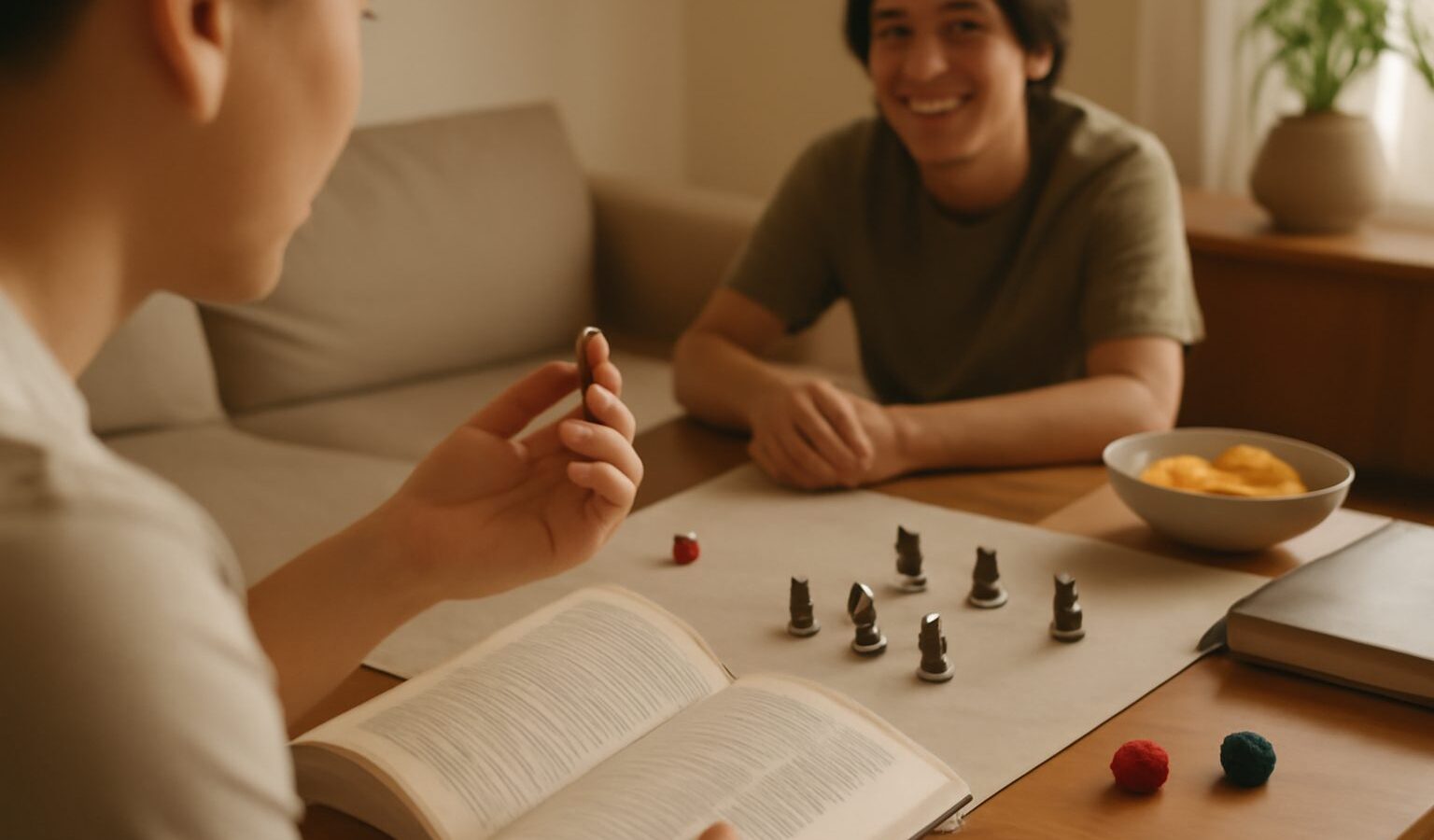
If you love a good story and the idea of becoming someone else for a few hours, RPGs might be your perfect entry into gaming. RPGs, short for role-playing games, are titles where you take on the role of a character and shape their journey through a world, making choices, growing stronger and following a story. Unlike a fast shooter, most RPGs reward patience and curiosity rather than quick reflexes, which makes them wonderfully welcoming for newcomers of any age. This guide explains what RPGs are, the main flavours to expect, and how to pick a relaxing first adventure without spending a fortune, all grounded in everyday Singapore life.
What RPGs Actually Are
At their heart, RPGs let you play a role. You guide a character, or sometimes a whole party of them, through a world with a story, quests to complete and problems to solve. As you play, your character usually levels up, meaning they gain experience and become more capable, learning new skills and finding better equipment along the way. This sense of steady growth is the genre’s signature pleasure.
Many RPGs also let you make meaningful choices. You might decide how a conversation goes, which side of a conflict to join, or how to build your character’s abilities. Some worlds react to those decisions, giving you a story that feels partly your own. Others follow a fixed tale but still let you customise how you fight and explore. Either way, you are rarely rushed, and you can usually save your progress and return whenever suits you, which fits neatly around school, work or family time.
The Main Types of RPG
The word RPG covers a broad family, so it helps to know the common branches before you choose. You do not need to memorise these, but recognising the labels makes shopping and browsing far easier.
- Action RPGs blend real-time combat with character growth, so you fight directly while still levelling up and collecting gear.
- Turn-based RPGs pause during battles so you can pick your moves calmly, which is gentle on reflexes and great for thinkers.
- JRPGs, or Japanese role-playing games, are known for strong stories, memorable characters and a distinctive art style, often turn-based.
- Open world RPGs drop you into a large world you can wander freely, tackling the story at your own pace.
- Multiplayer RPGs let you adventure online with others, sharing quests and forming groups.
Most modern titles mix these ideas, so do not worry about strict boundaries. The labels are a starting point, not a rulebook.
What You Need to Start in Singapore
The good news is that RPGs are among the least demanding genres to begin, because reaction speed matters far less than in a shooter. Many run happily on a phone, a handheld console or a modest laptop. If you buy anything, shop generically and check current requirements and prices at a local IT mall or online, since hardware and game availability change often.
- A device: a smartphone, a console, a handheld, or a desktop or laptop that meets the game’s listed requirements.
- Comfortable controls: a controller suits most console and action RPGs, while a mouse and keyboard works well for many desktop titles.
- Storage: RPGs can be large, so keep some free space, especially for open world games.
- A cosy spot: a supportive chair and good lighting help, since sessions can run long by nature.
For single-player RPGs, your broadband barely matters once the game is downloaded. For multiplayer RPGs, a stable home fibre connection from a local ISP keeps things smooth, and choosing a server near Singapore or the wider region reduces lag when you play with others.
Choosing Your First RPG
The best first RPG depends on how much time you have and how much complexity you enjoy. A sprawling hundred-hour epic can overwhelm a newcomer, while a tighter, story-led adventure eases you in gently. Rather than name titles, which change constantly, match your situation to a style using the table below.
| If you want | Pick an RPG that is | Why it suits a beginner |
|---|---|---|
| A gentle pace | Turn-based, story-led | Battles wait for you, so no pressure |
| Short sessions | Handheld or mobile friendly | Easy to save and stop anytime |
| A big adventure | Open world, single-player | Explore freely with no online demands |
| To play with friends | Co-operative multiplayer | Shared quests make learning fun |
Whatever you choose, spend time in the opening hours getting comfortable before judging the game, since many RPGs start slowly and then bloom. Read the in-game tips, do not skip the tutorial, and feel free to lower the difficulty. There is no prize for suffering, and an easier setting lets you enjoy the story.
Understanding Character Builds and Choices
Part of the fun in RPGs is deciding how your character develops, often called a build. You might pour points into strength for heavy hitting, into magic for spells, or into agility for speed and stealth. Beginners sometimes freeze at these choices, worried about ruining their character, but most games are forgiving and let you succeed with many approaches.
A few simple habits keep things enjoyable:
- Pick a play style that appeals to you, whether that is a mighty warrior or a clever mage, and lean into it.
- Save often and in different slots, so a risky decision never costs hours of progress.
- Explore side quests for extra story, experience and gear, but do not feel obliged to finish every one.
- Talk to characters and read item descriptions, since RPGs hide useful hints in plain sight.
If a build is not working, many games let you adjust it later, and there is no shame in looking up a beginner guide. The goal is your enjoyment, not perfection.
Playing Comfortably and Staying Well
Because RPGs invite long, absorbing sessions, gentle habits matter. Sit with your screen at eye level, keep your wrists relaxed, and take a proper break every hour. Follow the 20-20-20 rule for your eyes: every 20 minutes, look at something about 20 feet away for 20 seconds. Keep water nearby and protect your sleep by wrapping up well before bedtime, tempting though one more quest always is.
If you play online RPGs, guard your privacy: do not share personal details with strangers, be cautious if someone asks you to move to another app, and report scams to ScamShield or the Police. Watch in-game spending too, as some titles sell extras. Treat this as general information rather than financial advice, and set a firm budget for yourself or your child. If gaming ever starts to affect sleep, studies, work or relationships, it is fine to step back, and you can speak to a doctor, a counsellor, or reach mindline at 1771 or mindline.sg. An RPG should be a lovely escape, not a burden.
Explore more
Hungry for more worlds? If sprawling maps appeal, read open world games explained, or discover fresh voices in indie games worth playing. For a change of pace, try getting into strategy games, and to share the journey, see co-op and couch multiplayer games.