
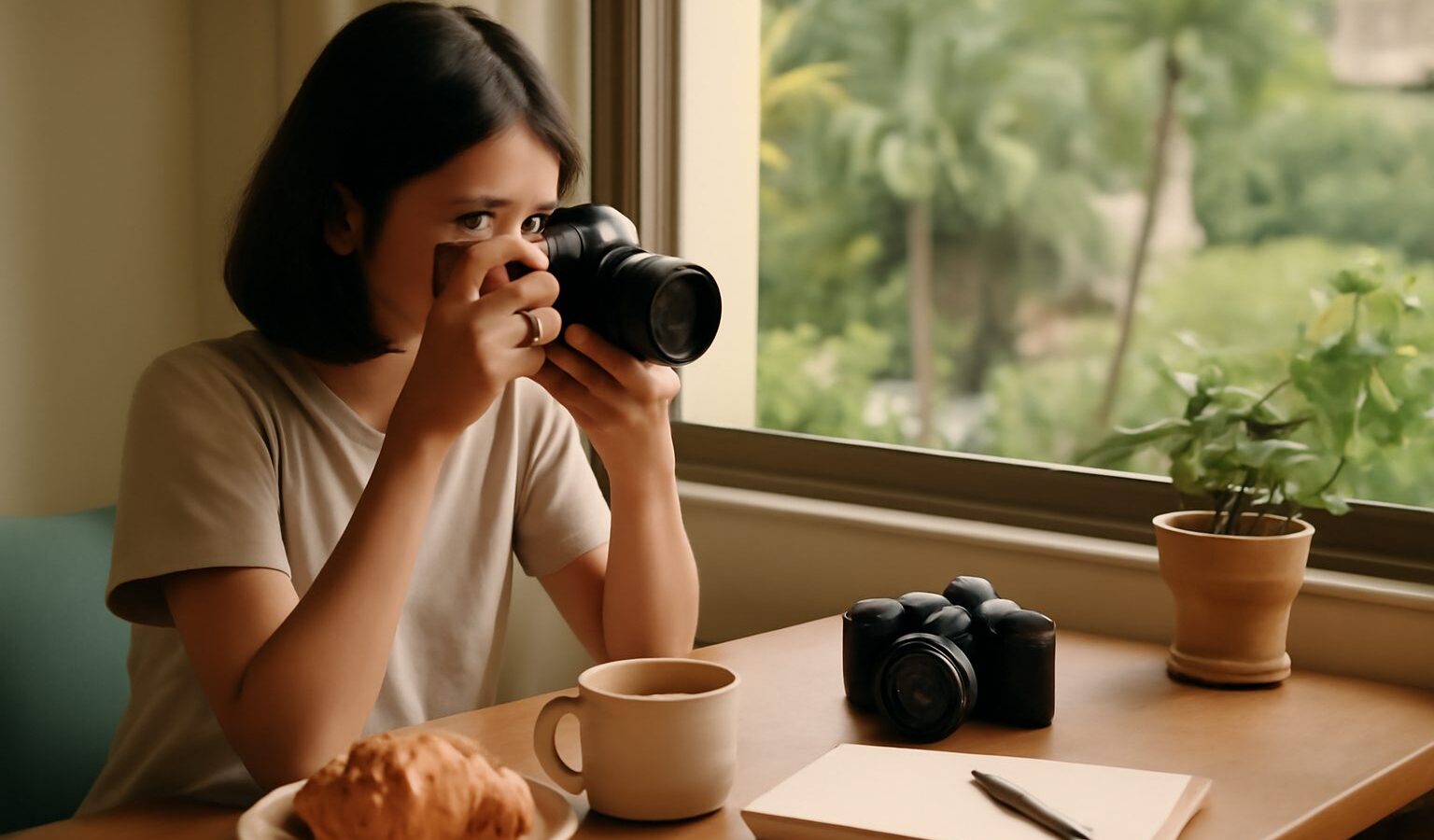
Few hobbies reward you as quickly as photography. Point a camera at good light, press the shutter, and you have made something. It gets you outdoors, teaches you to notice small beauties you used to walk past, and gives you a growing library of your own memories. If you have been curious about photography as a hobby in Singapore but felt put off by jargon and pricey gear, this beginner’s guide is for you. You can start today with the camera in your pocket.
This guide is about photography as a personal hobby, learning to see and to shoot for your own enjoyment, rather than joining a guided photo-walk tour. Both are lovely, but here we focus on building your own skills, your own kit and your own habit at your own pace.
Why Photography Is a Great First Hobby
Photography suits almost everyone. It costs nothing to begin if you have a phone, it fits around a busy schedule, and there is always something new to point a lens at, whether that is a hawker plating up, a heron by the reservoir or the light on an old shophouse.
It is a hobby you can do alone or with others, in five spare minutes or a whole free morning. It also travels well, quite literally, becoming a richer way to experience holidays and even your own neighbourhood. Best of all, the learning curve is gentle at the start and endlessly deep later, so it grows with you for years.
What You Need to Start
The honest truth is that the best camera to start with is the one you already have. A modern phone camera is genuinely capable, and learning to see a good picture matters far more than owning expensive kit.
- A camera. Your phone is a real starting point. When you want more control, a used entry-level mirrorless or DSLR body is excellent value.
- One lens to begin. If you buy a camera, the kit lens it comes with is plenty. A simple, affordable fixed lens later teaches you to compose by moving your feet.
- A memory card and a spare. Cards are cheap, and a spare saves a ruined outing.
- A soft bag or padded sleeve. Something to carry your kit safely on crowded buses and trains.
- A cleaning cloth and blower. Dust and fingerprints are the beginner’s constant companions in a humid climate.
Resist the urge to buy a pile of gear before you know what you enjoy shooting. Many beginners spend on accessories they never use. Shoot for a few months first, notice what you photograph most, and let that guide any purchase.
Learning to See: Settings and Composition
Good photos come from light, timing and composition far more than from settings. Still, understanding a few basics unlocks your camera.
Three controls decide how bright and sharp a photo is. Aperture affects how much of the scene is in focus, so a wide aperture blurs the background nicely for portraits. Shutter speed decides whether motion freezes or blurs, so a fast speed freezes a running child. ISO brightens a dark scene but adds grain when pushed high. You do not need to master these on day one; start in automatic, then switch one control at a time to manual as you grow curious.
For composition, a handful of simple ideas transform your pictures:
- Fill the frame. Get closer than feels comfortable and cut out clutter.
- Mind the light. Early morning and the hour before sunset are kind and golden; harsh midday sun is unflattering.
- Use lines and thirds. Place your subject off-centre and let paths, railings or shorelines lead the eye.
- Watch the background. A bin or a lamppost sprouting from someone’s head ruins a shot; a small step sideways fixes it.
- Shoot lots, then edit hard. Take many frames, keep only the best few, and be honest.
Draw on free tutorials online and a simple editing app to adjust brightness, contrast and crop. A gentle edit lifts most photos without making them look fake.
Choosing Your First Camera
Different routes suit different budgets and goals. Use this as a rough guide, and always check the retailer for current prices, as bodies, lenses and second-hand stock vary.
| Starting point | Best for | Rough cost band | What to know |
|---|---|---|---|
| Your phone | Everyone, right now | Free | Learn to see first; phones shoot beautifully in good light |
| Used entry-level mirrorless or DSLR | Serious beginners wanting control | Low to mid | Great value; buy from a reputable seller and test before paying |
| New entry-level mirrorless with kit lens | Those who want a warranty and simplicity | Mid | One camera and lens covers almost everything at the start |
| Fixed prime lens added later | Sharper portraits and low light | Low to mid | A cheap, simple lens that quietly improves your photos |
Starting cheap is not a lesser path. Skill lives in your eye and your patience, and many wonderful photographs are taken on the simplest gear.
Where to Shoot and Learn in Singapore
Singapore is small but packed with subjects, so inspiration is never far.
For places to shoot, the Botanic Gardens, Gardens by the Bay and our many parks and reservoirs reward patient nature and landscape photography. The old shophouses of Chinatown, Kampong Glam, Little India and Tiong Bahru are full of colour and texture for street photography. Marina Bay and the CBD give you skylines and reflections, especially at blue hour just after sunset. Hawker centres, wet markets and MRT platforms are rich for candid everyday scenes; always be respectful and ask before photographing people up close.
For gear, camera shops around Funan, Peninsula Plaza and Sim Lim Square carry new and used bodies, lenses and accessories, and staff are usually happy to help a beginner. Compare a couple of shops, and consider reputable second-hand listings for real savings.
For learning, look for beginner photography classes and workshops at community centres, ActiveSG and PA courses, private studios and camera retailers, some of which run short introductory sessions. Photography clubs and social-media groups are welcoming and full of people who love to share locations and tips.
Protecting Your Camera Gear From Humidity
This is the one care habit every photographer in Singapore must learn. Our warm, damp air encourages fungus to grow on lens elements and inside cameras, and fungus can permanently etch the glass. It is the most common way local hobbyists ruin otherwise good gear.
A few simple habits protect your kit:
- Use a dry cabinet. An electronic dry cabinet keeps humidity at a safe level and is the single best investment for a Singapore photographer once you own a proper camera. A cheaper option is an airtight box with silica gel packs, recharged or replaced regularly.
- Never store gear in a hot, sealed bag. A damp bag left shut is a greenhouse for fungus. Air your bag out after outings.
- Let gear acclimatise. Moving from cold aircon into humid air fogs your lens with condensation. Give it a few minutes in a bag to warm up before shooting.
- Keep the front glass clean. Wipe fingerprints and salt spray off with a microfibre cloth, and use a blower to shift dust rather than rubbing grit across the glass.
None of this is difficult once it becomes routine, and well-kept gear holds its value and lasts for many years.
Explore more
If capturing the world has sparked a wider creative streak, browse our other beginner guides. Try pairing your photos with words in a beginner’s guide to creative writing, or explore making images by hand with a guide to digital art and illustration. Still weighing up what suits you? See a beginner’s guide to drawing and sketching.