
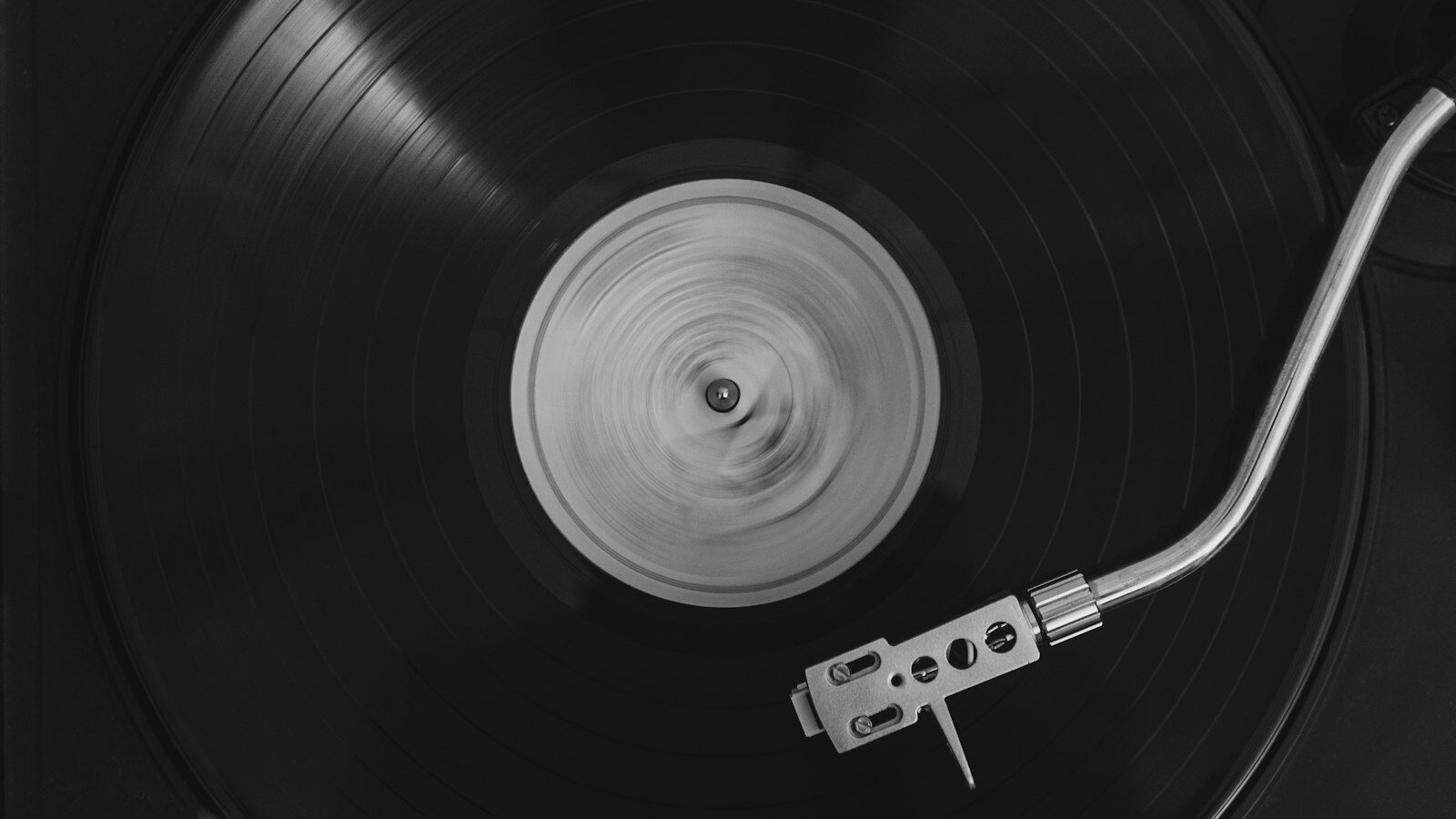
There is a particular pleasure in vinyl records that streaming, for all its convenience, cannot quite reach. You slide a disc from its sleeve, set it spinning, lower the needle, and then you sit and listen, because getting up to flip the record every twenty minutes gently forces you to. It is music as an occasion rather than a background hum. If the ritual has been calling to you, this guide will get you started without the jargon, the snobbery, or the sense that you need to spend a fortune before you can enjoy a single song.
The truth is that vinyl is far more approachable than the hobby’s reputation suggests. You do not need a golden ear or a wallet to match. You need a modest setup, a little care, and the willingness to slow down. Singapore has a small but warm community of shops, crates and fellow listeners ready to help you in.
Why People Fall For Vinyl
It helps to know what you are actually signing up for, because vinyl is not chasing convenience. What it offers instead is engagement. The format asks for your attention, and in return it gives back a listening experience that feels deliberate and whole.
A few things tend to hook people:
- The ritual. Choosing a record, handling it, and committing to a full side is a small ceremony that turns listening into an event you look forward to.
- The artwork and object. A twelve-inch sleeve is a piece of art in your hands, complete with liner notes, lyrics and credits you would never notice on a screen.
- The album as intended. Vinyl nudges you to hear a record in the order the artist sequenced it, front to back, rather than skipping through singles.
- The sound. Many listeners love the warm, physical character of a good pressing. Whether it is technically superior is endlessly debated, and honestly the feeling matters more than winning that argument.
None of this requires you to abandon streaming. Most vinyl lovers still stream every day for convenience and discovery, then reach for records when they want to sit with the music properly. Vinyl is a complement, not a replacement.
Building Your First Setup Without Overspending
The biggest myth about vinyl is that entry is expensive. You can assemble a perfectly enjoyable system with modest, sensible components. The essential chain is a turntable, a way to amplify the signal, and speakers or headphones. How you combine those is where the choices live.
Here is the ground you need to cover:
- The turntable. This is the heart of everything. Look for a proper hi-fi starter deck rather than the cheapest all-in-one suitcase players, which can sound poor and, more importantly, can wear out your records over time. A decent belt-driven or direct-drive model with a real cartridge will serve you for years.
- A phono stage. A turntable’s signal is very quiet and needs a special preamp called a phono stage before a normal amplifier can use it. Some turntables and amplifiers have one built in, so check before buying a separate box.
- Amplification and speakers. You can go with a stereo amplifier feeding a pair of bookshelf speakers, or choose powered speakers that contain their own amplification for a tidier, simpler setup.
- A few accessories. A carbon fibre brush to sweep dust before each play, and inner and outer sleeves to protect the discs, cover most of what you need at the start.
The two common paths are worth comparing directly, because your choice shapes both cost and sound.
| Consideration | All-in-one player | Component system |
|---|---|---|
| Upfront cost | Lower | Higher, though modest options exist |
| Sound quality | Basic, often limited | Noticeably better and clearer |
| Care for your records | Can wear discs faster | Gentle on records when set up well |
| Room to upgrade | Very little | Swap or add pieces over time |
| Best for | The most casual, occasional listener | Anyone who thinks they will stick with it |
If you suspect the hobby will stick, a simple component system rewards you far more over time. If you are only testing the water, a reputable entry-level deck paired with powered speakers is a sensible, affordable middle path. Where you buy matters too. A specialist hi-fi shop or a knowledgeable record shop will help you match parts and set the tonearm correctly, which protects both your discs and your ears.
Finding And Buying Records
Half the joy of vinyl is the hunt. Singapore has independent record shops, secondhand crates, weekend market stalls and the occasional record fair, each with its own character and stock. Browsing in person is part of the experience: flipping through sleeves, chatting to the staff, and leaving with something you did not plan to buy. Prices and stock vary widely, so treat it as a treasure hunt rather than a shopping list.
New and secondhand each have their place:
- New records arrive in perfect condition and cover current releases and reissues, at a higher price.
- Secondhand records are cheaper, greener, and where the real gems hide, though you need to inspect them before buying.
When buying used, a quick check saves disappointment. Slide the disc out and tilt it to the light: you want a glossy surface with no deep scratches, haze or fingerprints. Light surface marks are usually harmless, but deep scratches you can feel with a fingernail will be audible. Ask if you can hear a play before purchase where the shop allows it. Grading terms like “mint” or “very good” are widely used but applied loosely, so trust your own eyes over the label. Start with albums you already love, because familiar music makes the format’s rewards obvious from the first spin.
Caring For Your Collection
Records reward a little care and punish neglect, but the habits are simple and quickly become second nature. Handle discs by the edges and the centre label, never the grooves, so your fingers leave no oils behind. Give each side a light sweep with a carbon fibre brush before you play it, which keeps dust out of the grooves and hiss out of the music.
Storage is the other half of the job:
- Store records upright, never stacked flat. Leaning weight warps discs over time, and a warped record is hard to rescue.
- Keep them out of heat and direct sun. Vinyl is essentially a plastic that softens and warps in the wrong conditions, which matters in a warm, humid climate.
- Mind the humidity. Damp encourages mould on sleeves and inner liners, so a dry, ventilated spot and anti-static inner sleeves go a long way here.
- Return each record to its sleeve straight after playing. Left out, a disc is a dust magnet and a scratch waiting to happen.
Look after the stylus too. The needle wears down with use and a worn one damages your records, so replace it roughly when the manufacturer suggests. A clean setup, stored sensibly, will play beautifully for decades and outlast almost anything digital you own.
Enjoying The Slow Way To Listen
Once the gear is sorted, the point is simply to enjoy it, and vinyl’s real gift is that it slows you down. Give a record your full attention now and then, with your phone in another room. Read the sleeve while it plays. Let a whole side run without skipping. The small inconvenience of getting up to flip the disc is not a flaw, it is the format quietly insisting that you stay present.
Keep it unpretentious. You do not need a rare pressing or a costly system to belong. A handful of records you love, played on a modest setup you understand, is the whole hobby in miniature, and it only grows richer from there. Chat to shop staff, swap finds with friends, and let your collection tell the story of your taste one sleeve at a time.
Explore More
If a growing shelf of records has you hungry for more to hear, our guide on how to discover new music will keep the crates full. To hear favourite artists in the flesh, see how to enjoy a music festival, and for a friendly route into a genre made for vinyl, try getting into jazz.
Related across Sky Media: Vinyl Record Care and Storage · The Hobby of Collecting Vinyl Records