
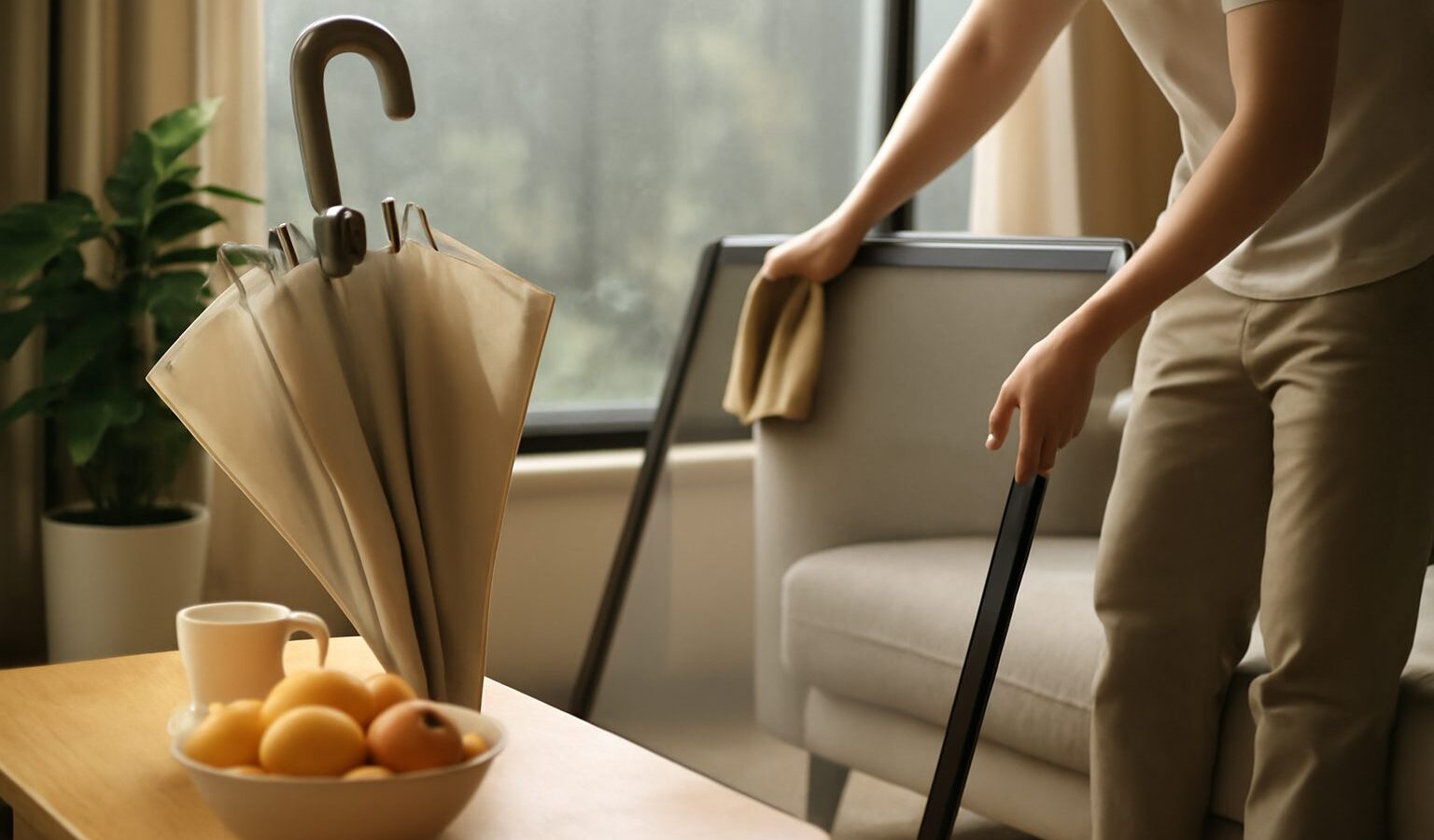
When the skies open and the rain sets in for days, a little preparation goes a long way. Getting your monsoon home Singapore ready before the wet season arrives keeps water out, cuts down on damp and mould, and spares you the scramble of dealing with leaks in the middle of a downpour. The monsoon brings heavier, more persistent rain and gustier winds, so the weak points in a home, from tired window seals to blocked balcony drains, are more likely to show. This guide walks through simple checks and habits that keep your home dry and comfortable through the rainy months.
None of this requires special skills or big spending. Most of it is about looking in the right places before the heavy rain comes, fixing small issues while they are still small, and keeping a few wet-weather essentials to hand.
Check Your Windows, Seals and Weak Points
Windows are the first line of defence, and driving rain finds any gap. Before the season, close all your windows and look for daylight or draughts around the frames, which hint at worn seals. Run your hand along the rubber seals and beading to feel for cracks, hardening or gaps, and check that windows close and latch fully, as a window that does not shut tight will let rain seep in during a squall.
Look at the corners of window recesses and along skirting for any existing water stains or peeling paint, as these are clues to where water has come in before. If you find worn seals or gaps, replacing the seal or applying fresh sealant is a straightforward job that pays off the first time it rains hard. For anything more serious, such as recurring leaks around a window or from above, it is worth getting a professional to assess it before the wettest weeks arrive.
Do not forget the less obvious spots. Check that any external air-conditioner points and pipe openings are properly sealed where they enter the wall, and that door thresholds, especially on ground-floor or landed homes, are in good order. A quick walk around the home with these points in mind usually surfaces one or two small fixes.
Clear Drains and Manage Water Outside
Blocked drainage is behind many wet-season headaches. Balcony and service-yard drains collect leaves, dust and debris over dry months, and a clogged outlet means water pools and can back up into the home during heavy rain. Before the monsoon, clear these drains and floor traps, and pour some water through to check it runs away freely. Repeat this through the season, as a single storm can wash fresh debris into an outlet you cleared only weeks earlier.
If you have potted plants on a balcony or in an open kitchen area, make sure their drip trays are not overflowing and that saucers are emptied, as standing water both encourages mosquitoes and adds to any pooling. Secure or bring in light outdoor items such as small pots, mats and decorations before strong winds, so they are not knocked about or blown around.
Here is a quick seasonal checklist to run through before and during the wet months.
| Area | Check | How often |
|---|---|---|
| Window seals | Cracks, gaps, firm closing | Before the season |
| Balcony and yard drains | Clear of leaves and debris | Before, then regularly |
| Floor traps | Water runs away freely | Monthly during the season |
| Ceilings and walls | New stains or damp patches | After heavy rain |
| Outdoor items | Secured or brought in | Before strong winds |
Keep Damp and Mould at Bay
Persistent rain raises the humidity indoors, and damp air is what mould loves. Keep your home as ventilated as the weather allows, opening windows during drier spells to let air move through, and running fans to keep air circulating in still, muggy conditions. In rooms that stay damp, such as bathrooms or a closed storeroom, a dehumidifier or moisture absorbers help take the edge off the humidity.
Wipe down any condensation on windows and walls promptly, and keep an eye on the usual trouble spots, which are corners, the backs of wardrobes, and anywhere air does not circulate well. Leave a little gap between large furniture and external walls so air can move behind it. If you spot early mould, clean it off quickly before it spreads, and try to address the source of the damp rather than just the surface. Drying laundry indoors during long wet spells adds a lot of moisture to the air, so use a well-ventilated spot and a fan where you can.
Stay Wet-Weather Ready and Flood-Aware
A few practical habits round off your preparation. Keep umbrellas and a raincoat by the door, and a spare umbrella at work or in the car, so a sudden downpour never catches you out. A doormat and a spot for wet shoes near the entrance keep floors dry and safe underfoot. If you have important documents or electronics, store them off the floor and away from window ledges where water might reach.
Finally, know your surroundings. Some areas are more prone to flash floods during intense rain, and being aware of this helps you plan journeys and stay safe. PUB, Singapore’s national water agency, provides information and alerts on heavy rain and flood-prone locations, so if you live in or travel through a low-lying area, it is worth staying informed through their updates. During very heavy rain, avoid low-lying underpasses and give yourself extra time, and never attempt to walk or drive through fast-moving floodwater.
With your windows checked, drains clear, damp under control and a few essentials to hand, the wet season becomes far less of a bother. A morning of simple preparation now means a dry, comfortable home through even the heaviest monsoon downpours.
Explore more
Flood and Severe Weather Preparedness
Dealing With Humidity
Setting Up Your HDB Home
Common HDB Living Mistakes That Lead to Fines