
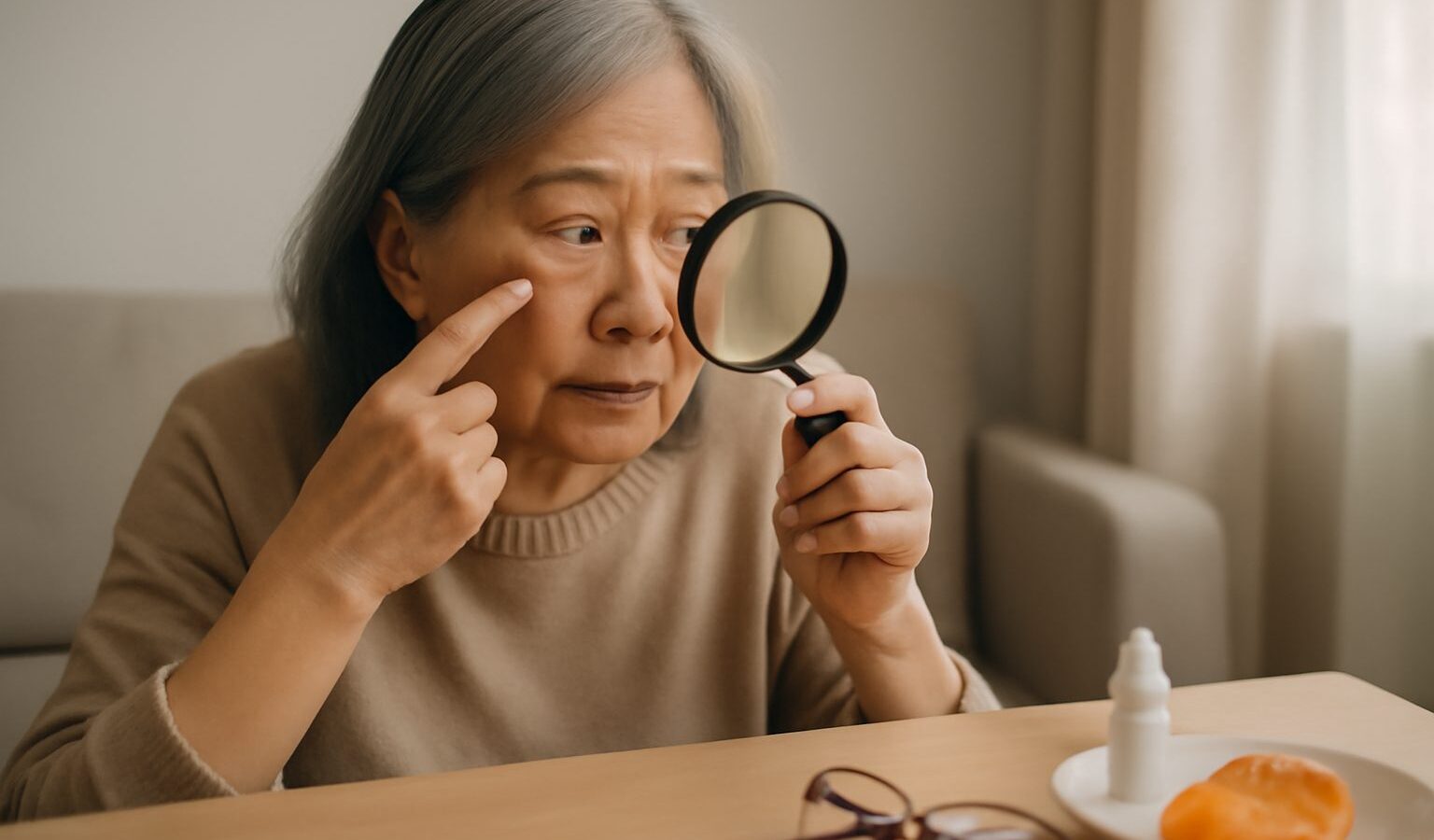
Sight is precious, and it changes as we grow older. Some of those changes are harmless, like needing more light to read, while others are the early signs of conditions that can quietly steal vision if left unchecked. The good news is that most age related eye conditions can be detected early and managed, and much sight loss is preventable with regular eye checks. This guide explains glaucoma and the other common eye conditions of later life, the warning signs to act on, and how eye care works in Singapore. It is general information, not medical advice or a diagnosis. For your eyes, see a doctor or an eye specialist.
Why Eyes Change With Age
The eye is a delicate instrument, and its parts wear with time. The lens stiffens and clouds, the retina and its blood supply can weaken, and the pressure inside the eye can rise. Because many of these changes are slow and painless, people often adjust to worsening vision without realising how much they have lost, which is exactly why routine checks matter so much.
Some changes are simply part of ageing and easily corrected, such as difficulty focusing on close objects, needing brighter light, or being more sensitive to glare. Others signal a condition that needs treatment. The only reliable way to tell the difference is a proper eye examination, not guesswork based on how well you think you see.
Age is not the only factor either. Family history, diabetes, high blood pressure, long-term steroid use and high short-sightedness can all raise the risk of certain eye conditions, and some conditions such as glaucoma tend to run in families. This is why telling your eye specialist about your family and medical history is so useful, since it helps them decide how closely to watch your eyes and how often to check them. Two people of the same age can need very different schedules of care depending on their own risk profile.
The Common Age Related Eye Conditions
Several conditions become more likely with age. Knowing them in outline helps you recognise when something needs attention, though only an eye specialist can diagnose and treat them.
- Glaucoma is a group of conditions that damage the optic nerve, often linked to raised pressure inside the eye. It is especially dangerous because the common type usually has no symptoms until significant, permanent vision has already been lost from the edges inward. It is a leading cause of irreversible blindness, and early detection is the key to protecting sight.
- Cataracts cloud the eye’s natural lens, causing blurry, dim or yellowed vision and glare. They are very common and usually treatable with surgery when they affect daily life.
- Age related macular degeneration affects central vision, making faces, reading and fine detail difficult while side vision remains.
- Diabetic eye disease can damage the retina’s blood vessels, which is why people with diabetes need regular screening.
- Dry eye grows more common with age and, while rarely sight-threatening, can be uncomfortable and is manageable.
Because good vision underpins safe movement, protecting your sight also helps prevent falls. The practical safety ideas in recovering from a fall or fracture are worth pairing with regular eye care.
Warning Signs and When to Seek Help
Some eye symptoms are urgent and should never be brushed off as tiredness. Seek medical care promptly if you notice any of the following:
- Sudden vision loss in one or both eyes
- Sudden blurring, or a curtain or shadow moving across your vision
- Flashes of light or a sudden shower of floaters
- Eye pain with redness, nausea, halos around lights or blurred vision, which can signal a dangerous pressure spike
- A steady loss of side vision you only notice by bumping into things
For sudden, severe symptoms, go to an emergency department rather than waiting for a routine appointment. For gradual changes, book an eye examination. The safest rule is simple: any sudden change in vision deserves prompt attention, and any ongoing decline deserves a proper check.
Eye Checks and Care in Singapore
Regular eye examinations are the single most important thing you can do, because conditions like glaucoma are silent until damage is done. The table below shows the broad options for eye care in Singapore.
| Where | Best for | Notes |
|---|---|---|
| Optometrist or optical shop | Routine sight tests, glasses, basic screening | Good first check; can refer you on |
| Polyclinic | General health and diabetic eye screening, referrals | Subsidised, with CHAS and Medisave support for eligible care |
| Eye specialist or hospital clinic | Diagnosis and treatment of eye disease and surgery | For glaucoma, cataracts, retina and complex conditions |
| Community screening | Early detection for seniors | Offered through health and senior programmes |
How often you should be checked depends on your age, family history and health, so ask your doctor or eye specialist what suits you, especially if glaucoma runs in your family or you have diabetes. Subsidies through CHAS, Medisave and MediShield Life can help with eligible screening and treatment, and the Agency for Integrated Care (AIC) can point families towards support for seniors living with low vision. A broader geriatric assessment may also flag vision as one part of an older person’s overall health.
Living Well With Changing Vision
If sight does decline, life can still be full and independent with the right adjustments. Good lighting, larger print, high-contrast labels, magnifiers and screen-reading features on phones and tablets all help. Keeping the home clutter-free and well lit reduces the risk of falls, and services exist to support people with low vision to stay active and connected. Regular medication, where prescribed for glaucoma, must be used exactly as directed, since stopping eye drops without advice can allow damage to progress silently.
The core message is prevention through vigilance. Age related eye conditions are common, often silent, and frequently manageable when caught early. Book regular eye checks, act quickly on any sudden change, and follow your specialist’s guidance. This guide is a starting point, not a substitute for professional care. For diagnosis, treatment and any worrying symptoms, see a doctor or an eye specialist.
Explore more: understanding a geriatric assessment, recovering from a fall or fracture, and heart health for seniors.