
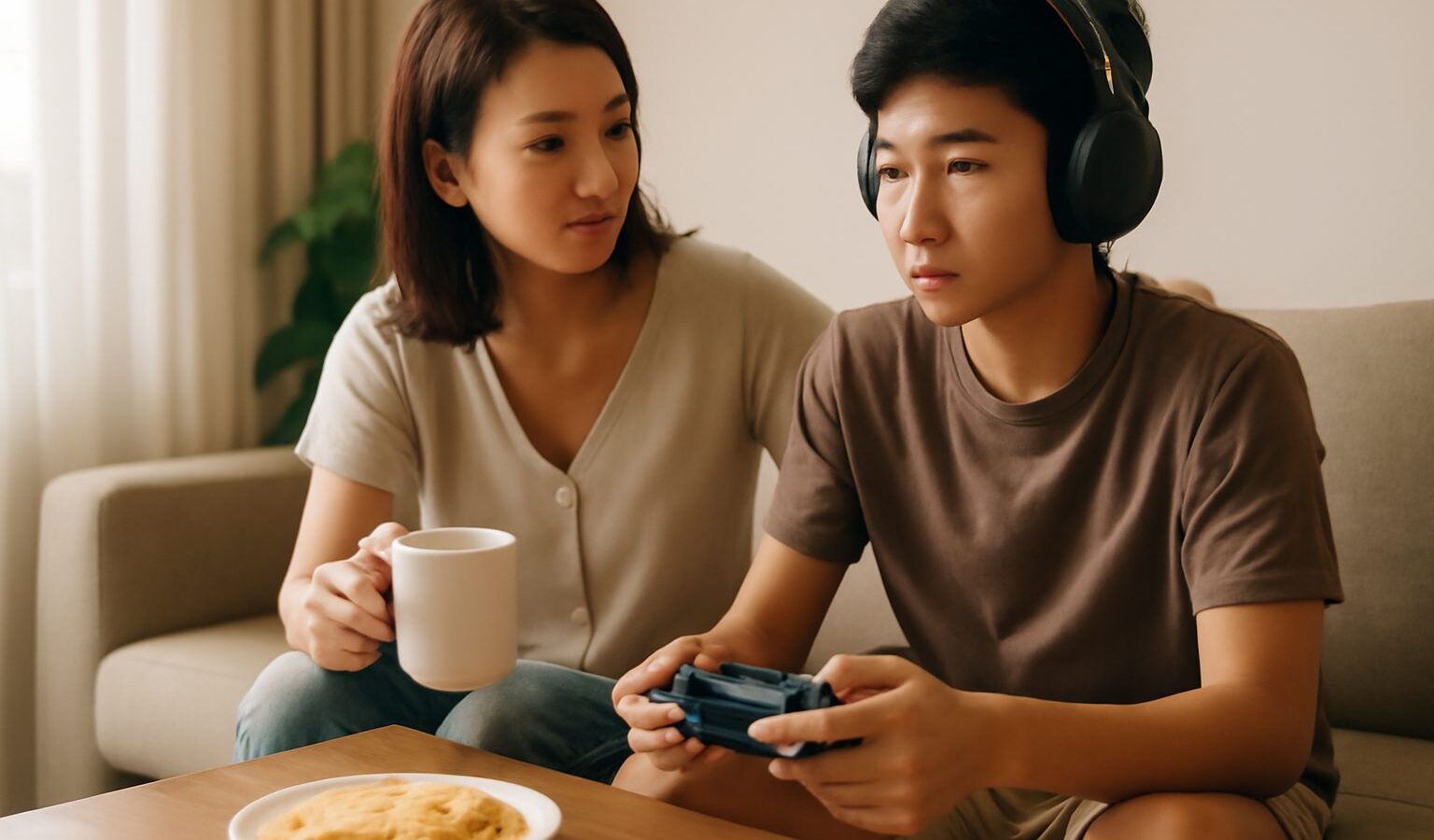
For many teenagers, gaming is not a guilty secret but a central part of social life, entertainment and even ambition. If your teen dreams of going pro or simply loves unwinding with friends online, you may feel unsure whether to worry or cheer them on. Approaching teen gaming in Singapore calmly and with an open mind usually works far better than panic or a blanket ban. Most young people who game are perfectly healthy, and gaming can build teamwork, problem-solving and quick thinking. The parent’s job is to keep it balanced, spot the rare times it tips into a problem, and stay connected along the way.
Understanding gaming and esports today
Gaming has grown into a vast and varied world. Your teen might play fast team-based shooters, sprawling strategy games, mobile titles on the bus, or cooperative adventures with friends across the world. Esports, meanwhile, refers to organised competitive gaming, where players and teams compete in tournaments, sometimes watched by large online audiences. A small number make careers as professional players, coaches, streamers or in the industry around them.
It helps to understand why gaming appeals so strongly. Games offer clear goals, steady progress, social connection and a sense of mastery, all of which are genuinely rewarding for a teenager. For some, an online team is where their closest friendships live. Dismissing all of this as a waste of time misses what your teen is actually getting from it and tends to shut down conversation.
That said, a realistic view matters. Very few players reach the professional level, and even those who do face short, demanding careers. If your teen talks about going pro, be encouraging but grounded. Support their interest while keeping school, a plan B and a broad set of skills firmly in the picture. Treating it as one interest among several, rather than the only thing that counts, keeps the door open to a wider future.
Setting healthy limits together
Balance is the heart of healthy gaming, and limits work best when they are agreed rather than imposed. Involve your teen in setting boundaries, because a rule they helped shape is one they are more likely to keep. The aim is not to eliminate gaming but to make sure it sits alongside the other things that make a life full.
Some practical ground rules many families find useful:
- Protect sleep first. Screens and games late at night eat into rest, and a tired teen struggles with everything else. Agree a cut-off time and keep devices out of the bedroom overnight where you can.
- Homework and responsibilities before long gaming sessions, so gaming becomes something enjoyed, not something that crowds out everything else.
- Keep meals, exercise and face-to-face time in the mix. Real-world friendships, sport and family time all matter.
- Agree on spending. In-game purchases can add up quickly, so talk openly about money and set clear limits. This ties in well with teaching kids and teens about money.
- Pay attention to game content and age ratings, and have honest conversations about online chat, strangers and staying safe.
Consistency helps more than strictness. If you find yourself in constant battles over screens, our guide to managing your child’s gaming and screen limits offers ways to reset the routine without turning every evening into a fight. The tone you set matters too. Curiosity about what your teen is playing goes a long way, and asking them to show you a game they love can turn a source of tension into a shared moment.
Spotting problematic use and staying balanced
The vast majority of teenagers game without harm, so there is no need to be alarmist. Still, it is worth knowing the difference between a keen hobby and use that has become a problem. The key question is not how many hours are logged but whether gaming is harming the rest of your teen’s life.
Warning signs worth watching for include gaming that regularly disrupts sleep, a slide in schoolwork or loss of interest in it, withdrawing from friends and family in favour of screens, intense irritability or distress when unable to play, neglecting meals or hygiene, or gaming being used to escape low mood or anxiety. One or two late nights during the holidays are not a crisis. A sustained pattern where gaming pushes out sleep, school and wellbeing is a signal to step in gently.
If you notice these signs, start with a calm, non-accusatory conversation. Express what you have observed and how you feel, and listen to what is going on underneath. Sometimes heavy gaming is a symptom of stress, loneliness or low mood rather than the root cause. Rebuild routines together, protect sleep, and reintroduce other activities gradually rather than snatching everything away at once. Supporting your teen’s overall wellbeing, as covered in supporting your teen’s mental wellbeing, often does more good than focusing on the games alone.
If gaming is clearly harming your teen’s sleep, school or wellbeing and things are not improving, seek help. The school counsellor is a good first port of call, and your doctor can guide you to further support if needed. Reaching out is a sensible step, not an overreaction.
A practical wrap-up
Gaming and esports are a normal, often positive part of teenage life, and a balanced, informed approach beats fear every time. Take an interest, set healthy limits together, protect sleep and keep the rest of life in the mix. Stay alert to the signs that gaming is doing real harm, and act calmly if it is, involving the school counsellor or a doctor when needed. Handled well, your teen can enjoy the fun and connection gaming offers while keeping their feet firmly on the ground.