
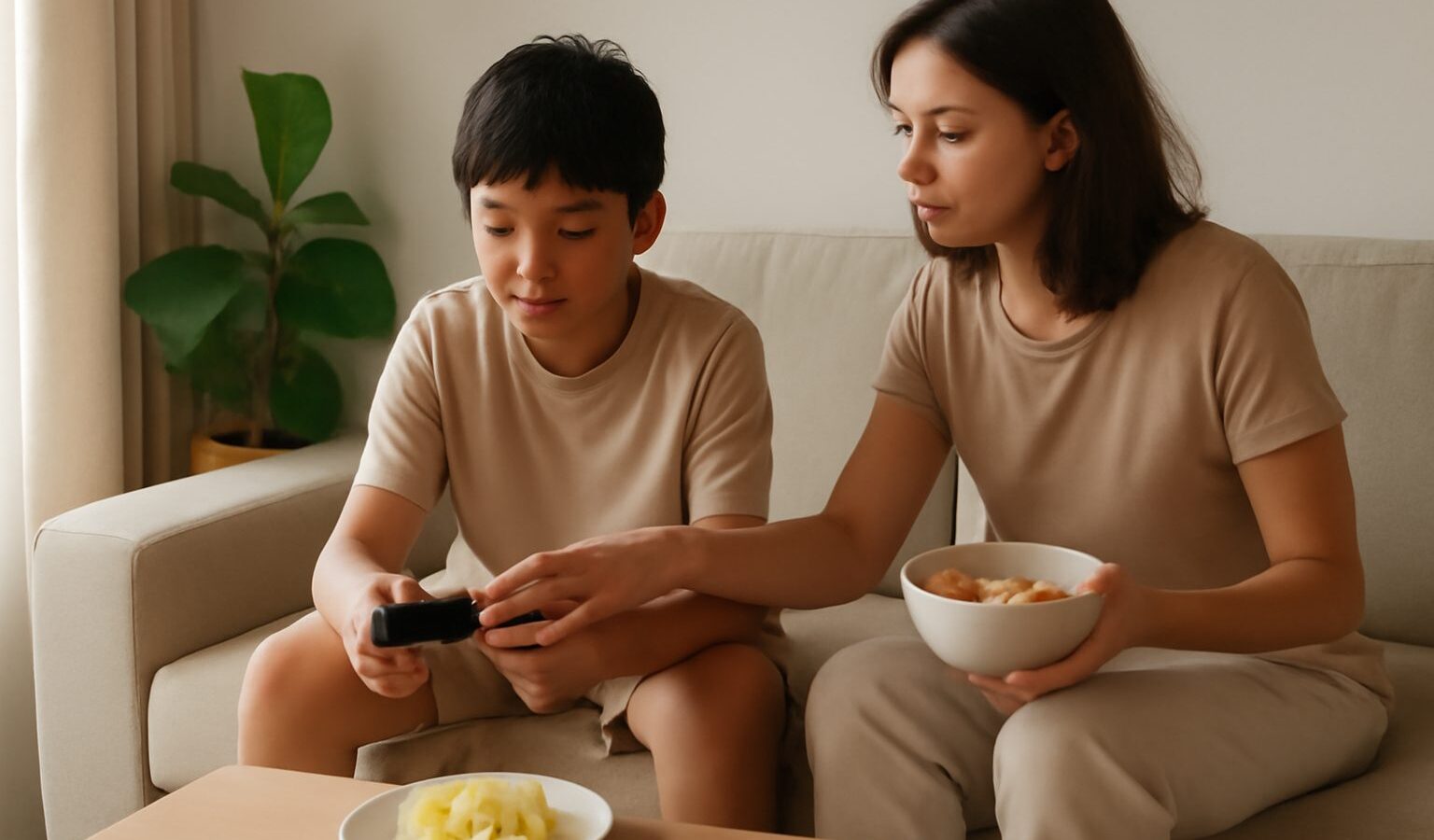
Gaming is part of childhood for many families today. Between phones, tablets, consoles and computers, most children in Singapore have easy access to games, and many of their friends are playing too. For parents, this can bring daily friction. When is enough enough, and how do you switch it off without a meltdown. Setting fair childrens gaming limits singapore households can actually stick to is one of the more common parenting challenges right now, and there is no single perfect formula.
The aim is balance, not banning. Games can be fun, social and even good for problem solving. The trouble comes when gaming crowds out sleep, movement, homework, family time and face to face friendships. A calm, consistent family approach works far better than a running battle.
Setting Fair, Age-Appropriate Rules
Clear rules, agreed in advance, cause fewer fights than rules invented in the heat of the moment. When a child knows what to expect, saying no becomes much easier.
Decide together where and when gaming happens. Many families find it helps to keep gaming to certain times, such as after homework and chores are done, and to keep devices out of bedrooms, especially overnight. Charging phones and tablets in a common area at night protects sleep and reduces secret late night play.
Match the limits to your child’s age. A young primary school child needs tighter limits and closer supervision than a teenager. As children grow, involve them in setting the rules. A rule your child helped shape is one they are more likely to respect. The point is not a magic number of minutes, but a routine where gaming has its place and does not swallow the day.
Check what your child is playing. Look at the age ratings on games, and take an interest in the content, especially anything with chat features where strangers can contact your child. Talk about online safety, never sharing personal details, and telling you if anything makes them uncomfortable. Being involved in their digital world matters as much as limiting the hours, and our guide to raising kids in a digital age explores this in more depth.
Give warnings before stopping. A sudden “off now” mid game feels unfair and sparks resistance. Many games are hard to pause, so a heads up like “ten more minutes, then we finish” respects that and makes the switch off smoother. A visible timer can take the argument out of it, since the clock, not you, calls time.
Building Balance and Modelling Good Habits
Rules land better when the whole family lives by a shared spirit, not just the children.
Protect the non screen parts of life. Make sure there is daily time for physical activity, outdoor play, reading, hobbies and simply being together. When a child has other things they enjoy, gaming naturally takes a smaller share of their attention. If gaming is the only fun on offer, of course they will resist stopping.
Keep meals and family time screen free. Shared meals without devices give everyone a chance to talk and connect. These small routines quietly signal that people come before screens.
Model what you preach. Children notice when parents are constantly on their own phones. If you scroll through dinner, it is hard to convince a child to put their game down. Showing your own healthy limits, and even having device free times that include you, carries real weight.
Use gaming as connection, not just conflict. Now and then, ask your child to show you their favourite game or play together. Understanding what draws them in, whether it is the challenge, the social side or the creativity, helps you guide rather than only police. Since these balance habits start young, our thoughts on screen time for young children are a useful foundation for the years before gaming takes off.
Watching for Problem Signs and Seeking Help
For most children, gaming with sensible limits is a normal, healthy part of life. But it is worth staying alert to signs that it may be tipping into something harmful.
Be concerned if gaming seems to take over. Warning signs can include your child losing interest in other activities and friends, big mood swings or intense anger when asked to stop, lying about or hiding how much they play, falling grades, disrupted sleep, or gaming being used to escape difficult feelings. The occasional grumble at switching off is normal. A consistent pattern of these signs is different.
If you see gaming clearly harming your child’s wellbeing, relationships or daily functioning, it is reasonable to seek help. Start by talking openly and without blame, and reviewing your family rules together. If concerns continue, speak to your family doctor, your child’s school counsellor, or a mental health professional for support. You do not have to figure it out alone, and asking for help early is a sign of good parenting, not failure.
Managing gaming is an ongoing conversation, not a one time rule you set and forget. It will shift as your child grows and as new games appear. With clear, caring limits, a rich life beyond the screen, and your own good example, most families find a balance that works. The goal is a child who can enjoy gaming and switch it off, ready for the rest of their life.