
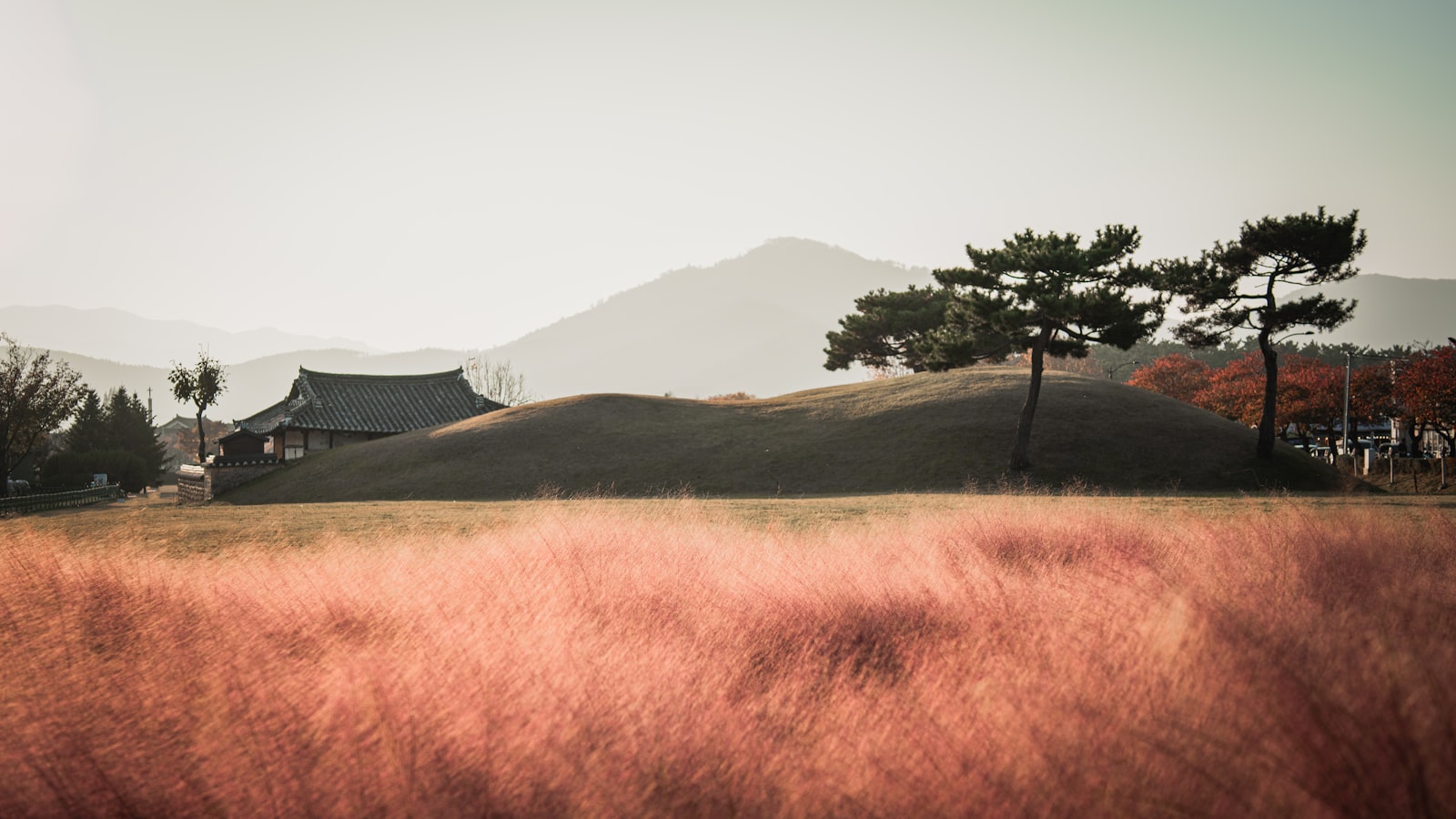
Gyeongju was the capital of the Silla kingdom for nearly a thousand years, and today it is often called a museum without walls, a city where grassy royal tombs, ancient temples and old stone monuments sit among ordinary streets. For a Singapore traveller it offers a slower, deeper side of Korea than the neon of Seoul, easy to fold into a wider trip and rich in the kind of history that rewards a two- or three-day stay. Planning Gyeongju from Singapore means flying into a bigger gateway and then taking a fast train, which is straightforward. This guide covers getting there, timing, getting around, the essential sights and food, and the practical details to sort first.
Getting There From Singapore
There are generally no direct flights from Changi to Gyeongju, so trips connect through a larger city. The most common approach is to fly into Seoul, then take the KTX high-speed train south to the Singyeongju station that serves the city, a ride of roughly two hours from the capital. A local bus or taxi covers the short hop from the station into the historic centre.
If your itinerary leans towards the south coast, flying into Busan is an appealing alternative, since Gyeongju is much closer to Busan and reachable by a shorter train or bus ride. This pairs naturally with a few days by the sea. Whichever gateway you choose, confirm flight times, fares and train schedules when you book, as they shift with season and operator.
When To Go And How Long
Leaving tropical Singapore, expect a real change of climate. Korea has four clear seasons, with cold, dry winters that call for a warm coat and layers, and hot, humid summers with a rainy spell. The classic times to visit are spring, when Gyeongju is famous for cherry blossom along its lakes and roads, and autumn, when clear skies and colour make for perfect sightseeing weather.
Two days is enough to see the headline sights at a comfortable pace, splitting the compact central cluster of tombs and monuments from the temple sights a little out of town. A third day lets you slow down, add a museum or a scenic spot, and enjoy the atmospheric evenings without rushing.
Getting Around
The historic core is flat and pleasant, and many of its most famous sights sit close together, so walking and cycling are genuinely enjoyable ways to explore, with bike rental widely available. Local buses connect the centre to the temple sights and the train station, and are cheap and reliable if you allow a little time. Taxis are handy for the outlying spots or when you are tired, and a rechargeable transport card smooths the bus rides.
What To See And Do
Gyeongju’s sights split between the walkable historic centre and a cluster of temple treasures in the hills nearby.
- Daereungwon tomb complex. A park of enormous grassy royal mounds, serene to stroll among, with one excavated tomb you can enter to see how the Silla royals were buried.
- Cheomseongdae. A graceful stone observatory from the seventh century, counted among the oldest surviving astronomical structures in Asia and lovely in the surrounding open fields.
- Donggung Palace and Wolji Pond. A reconstructed palace and pond that are the city’s signature evening sight, the pavilions mirrored in still water after dark.
- Bulguksa Temple. The masterpiece of Silla Buddhist architecture, with its famous stone terraces and pagodas, a designated World Heritage site and the highlight for many visitors.
- Seokguram Grotto. In the hills above Bulguksa, this serene stone Buddha in a domed grotto is a moving spot and pairs naturally with the temple visit.
For a change of pace, the trendy Hwangnidan-gil street near the tombs is lined with cafes and boutiques in old-house settings, and the excellent national museum gathers the region’s finest artefacts under one roof.
What And Where To Eat
Gyeongju’s most famous edible souvenir is its red-bean bread, small stamped cakes filled with sweet paste and sold fresh by the boxful, ideal to snack on and to bring home. Beyond that, the city serves the wider comforts of Korean food, from hearty stews and grilled meats to the vegetable-rich set meals that come laden with side dishes.
The area around the tombs and the Hwangnidan-gil street is the easiest place to graze, mixing traditional restaurants with modern cafes. Near the historic sites you will find simple, satisfying local spots, and the usual Korean staples of bibimbap, barbecue and noodle dishes are all easy to find across budgets. As anywhere, prices vary, so check rather than assume.
Where To Base Yourself
For first-time visitors, staying near the historic centre and the tomb park keeps you within walking distance of the headline sights and the liveliest cafe street, ideal for the floodlit evening scenes. Accommodation near Singyeongju station suits those prioritising easy train connections, though it is a little removed from the old town. There are also traditional guesthouse-style stays in restored houses for travellers who want a more atmospheric night.
| Season | What to expect | Who it suits |
|---|---|---|
| Spring | Cherry blossom, mild, busy | Photos, first visits, gardens |
| Summer | Hot, humid, rainy spell | Flexible budgets, fewer crowds midweek |
| Autumn | Clear skies, colour, comfortable | Sightseeing, cycling, long days out |
| Winter | Cold, dry, quiet | Peaceful visits, lower-season stays |
Costs, Money And Practical Tips
Gyeongju generally feels affordable, with good-value food and modest guesthouses alongside smarter hotels, though prices vary by season and choice and change over time, so check current figures. Cards are very widely accepted in Korea, but keep a little cash for small vendors and bus fares, and pick up a transport card for convenience.
English signage is decent at the major sights but thinner elsewhere, so a translation app helps, and locals are generally friendly and patient. Sort a travel eSIM or pocket wifi before you fly, as connectivity is excellent countrywide. At temples and grottoes dress and behave modestly and follow posted guidance, and take care on temple steps and hill paths.
This is general travel information, not immigration or medical advice. Entry rules and permitted stays depend on your passport and change often, and a Singapore passport and a China passport can face different requirements for South Korea, so check the official Korean immigration or embassy guidance for your own passport, and confirm re-entry and passport matters with ICA. For vaccinations and travel insurance, check MOH or a travel clinic and buy suitable cover before you travel.
Explore more: pair Gyeongju with our east-coast guide to Gangneung and the seaside town of Sokcho near the Seoraksan mountains for a fuller loop of Korea beyond Seoul.