
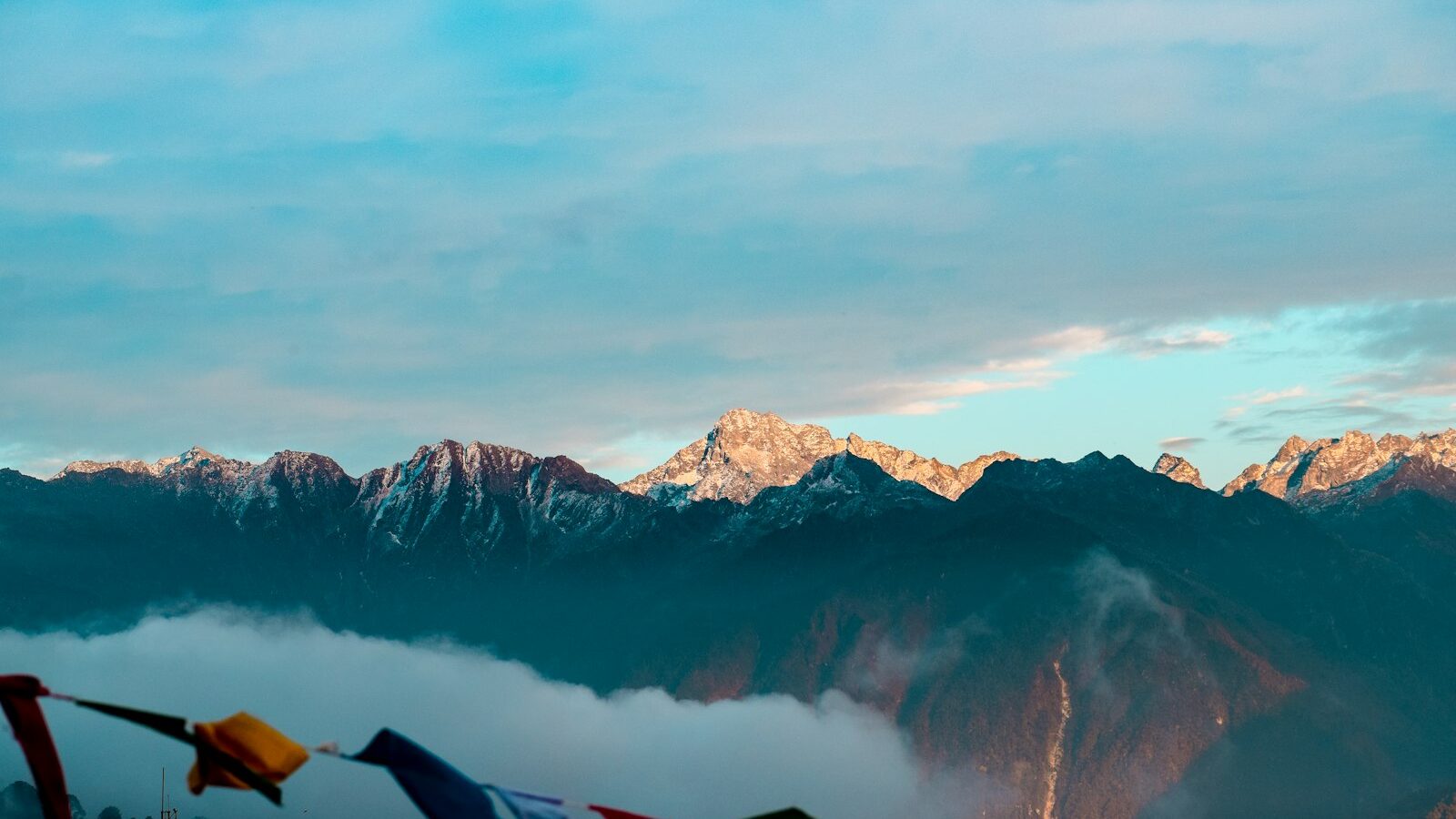
Gangneung sits on Korea’s east coast in Gangwon Province, a breezy seaside city of long beaches, pine forests, a famous coffee culture and a relaxed pace that feels a world away from Seoul. It came into the spotlight as an ice-sports host for the 2018 Winter Olympics, and it remains a favourite weekend escape for Koreans. For a Singapore traveller, planning Gangneung from Singapore means flying into the capital and riding a fast train east through the mountains to the sea, an easy and scenic add-on to a Korea trip. This guide covers getting there, when to go, getting around, the sights and food worth your time, and the practical points to sort before you fly.
Getting There From Singapore
There are generally no direct flights from Changi to Gangneung, so the standard approach is to fly into Seoul and continue by rail. The KTX high-speed line built for the Winter Olympics runs from Seoul out to Gangneung in roughly two hours, threading through the mountains before reaching the coast. It is comfortable, frequent and drops you close to the city, making Gangneung a genuinely easy side trip from the capital.
Express buses are an alternative from Seoul if the timing suits, taking a little longer but running often. Whichever you choose, confirm flight times, fares and train schedules when you book, since they shift with season and operator, and consider Gangneung as one leg of a wider east-coast plan rather than a stand-alone destination.
When To Go And How Long
Coming from tropical Singapore, expect a real seasonal contrast. Korea’s east coast has cold, dry winters, which is when the ski country inland is at its best, so pack a warm coat and layers. Summer is warm and humid and is peak beach season, when Koreans flock to the coast, while spring and autumn are mild, clear and arguably the most comfortable for sightseeing. Sunrise by the sea is a local ritual here, especially around the new year.
Two days is a good fit for the city and its beaches, letting you split the coast and coffee scene from the historic sights and tofu village. A third day suits a slower pace or a trip further up or down the coast, and Gangneung combines well with the mountains and beaches to the north for a longer loop.
Getting Around
Gangneung is spread out between its train station, the old town and a string of coastal spots, so you will rely on a mix of transport. Local buses connect the centre with the main beaches and sights and are cheap with a transport card, though they take a little planning. Taxis are affordable and convenient for hopping between the coffee street, the beaches and the historic houses, especially if you are short on time. The seafront areas themselves are lovely to explore on foot or by rented bike.
What To See And Do
Gangneung mixes beach days with a surprising depth of history and culture.
- Gyeongpo Beach and Gyeongpo Lake. The city’s signature stretch of sand backed by pine trees, with a scenic lake and pavilion nearby, popular for strolling, cycling and sunsets.
- Anmok Beach and Coffee Street. Gangneung is credited as a cradle of Korea’s speciality coffee movement, and this beachfront row of cafes and roasteries is the place to sip a brew with a sea view.
- Ojukheon. A revered historic house, the birthplace of a famous Confucian scholar and his equally celebrated mother, set in tranquil grounds with a small museum.
- Seongyojang. A beautifully preserved aristocratic manor from the Joseon era, its wooden halls and lotus pond offering a window into old Korean upper-class life.
- Jeongdongjin. A coastal spot down the shore known for sunrises and a beach that sits unusually close to the railway, a popular outing for the first light of day.
If you visit in the colder months, the ski resorts and mountain scenery inland are within reach, a reminder of why this region hosted the Winter Games.
What And Where To Eat
Gangneung’s signature dish is chodang soft tofu, made in a nearby village using seawater instead of the usual coagulant, giving it a delicate texture. A bowl of the silky stew, or a simple plate of the fresh tofu, is a local must-try, and the tofu village is the place to have it. Being a coast town, seafood is everywhere, from grilled fish to raw platters at the markets.
Coffee is the other local obsession, so build in time for a leisurely cup at Anmok, where the sea-view cafes range from tiny roasteries to big modern spaces. The central market is a fine spot for cheap eats and Korean street snacks, and the usual staples of barbecue, stews and noodles are all easy to find across budgets. Prices vary, so check rather than assume.
Where To Base Yourself
For beach lovers, staying near Gyeongpo or Anmok puts the sand, the lake and the coffee cafes on your doorstep, ideal for slow seaside days. Basing yourself near Gangneung station and the old town keeps you central for transport, markets and the historic houses, with buses out to the coast. If your trip leans towards the mountains and skiing, you might split nights between the city and an inland resort.
| Season | What to expect | Who it suits |
|---|---|---|
| Spring | Mild, clear, blossom | Sightseeing, walking, photos |
| Summer | Warm, humid, busy beaches | Beach days, sea swims, lively crowds |
| Autumn | Crisp, comfortable, colour | Coast and history at an easy pace |
| Winter | Cold, dry, ski season inland | Sunrises, skiing, quiet cafes |
Costs, Money And Practical Tips
Gangneung generally feels reasonably priced, with affordable market food and mid-range stays alongside smarter seaside hotels, though prices vary by season and choice and change over time, so check current figures. Cards are widely accepted across Korea, but keep a little cash for market stalls and bus fares, and pick up a transport card for the buses.
English signage covers the main sights but is thinner elsewhere, so a translation app is useful and locals are generally friendly. Sort a travel eSIM or pocket wifi before you fly, as connectivity is excellent. Respect the calm of the historic houses, follow posted guidance, and take normal care with sea conditions and currents at the beaches.
This is general travel information, not immigration or medical advice. Entry rules and permitted stays depend on your passport and change often, and a Singapore passport and a China passport can face different requirements for South Korea, so check the official Korean immigration or embassy guidance for your own passport, and confirm re-entry and passport matters with ICA. For vaccinations and travel insurance, check MOH or a travel clinic and buy suitable cover before you travel.
Explore more: pair Gangneung with our guide to nearby Sokcho and the Seoraksan mountains up the coast, and the ancient Silla capital of Gyeongju to the south for a fuller Korea trip beyond Seoul.