
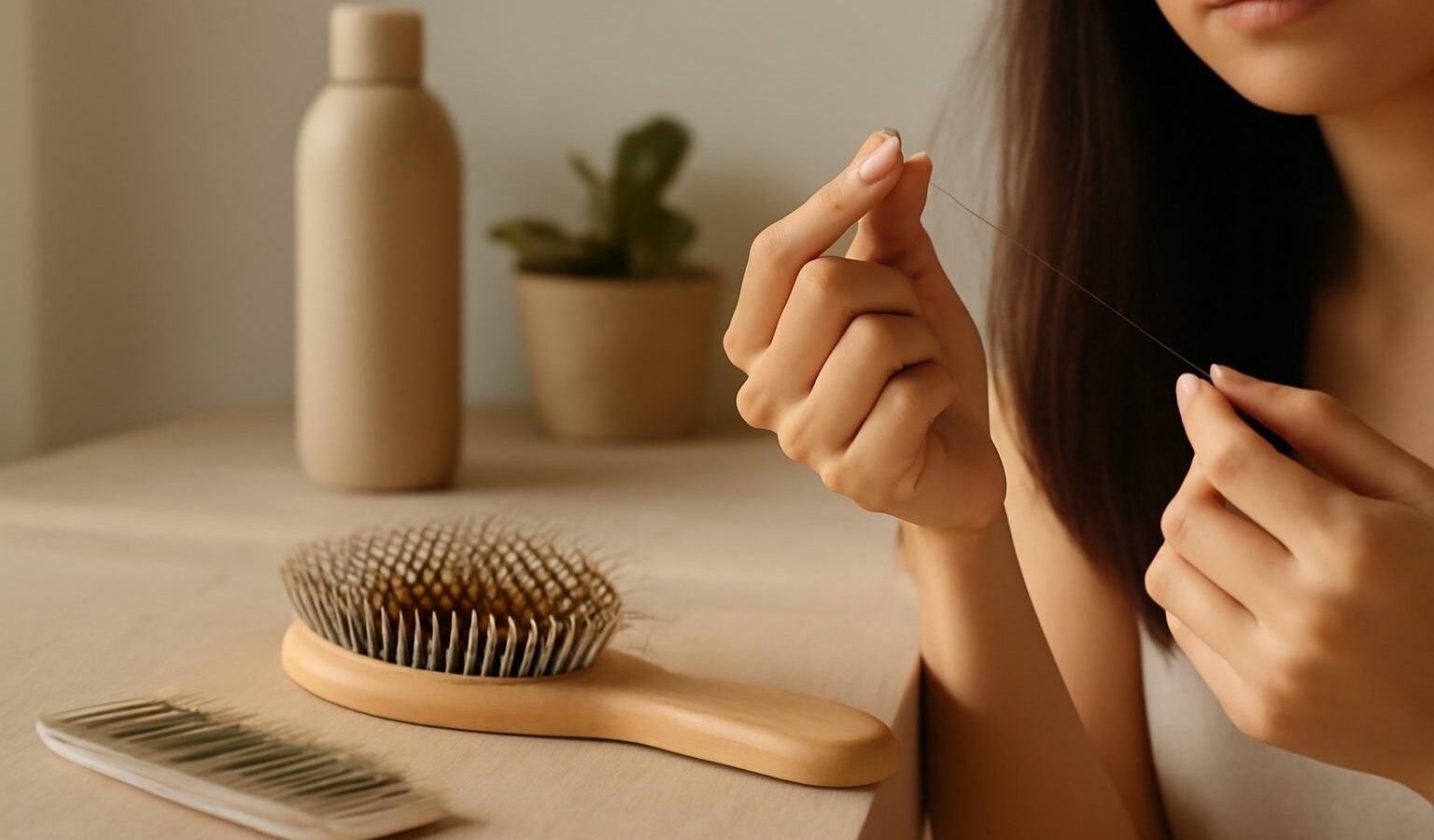
When you see more hair than usual around your home, it is natural to worry. But not all lost hair is the same, and telling the two main types apart changes how you respond. A hair breakage singapore concern is often really a damage problem, while shedding is usually your scalp doing its normal job. Getting this distinction right saves you from unnecessary panic and points you toward the fix that will actually help. Let us walk through how to tell them apart calmly and what each one means for your routine.
Breakage and Shedding Are Not the Same
The simplest way to think about it is where the hair comes from. Shedding is a whole hair that has completed its natural life cycle and been released from the follicle. Breakage is a hair that has snapped somewhere along its length because it became weak or was handled roughly. One is the scalp letting go on schedule; the other is a strand giving way under stress.
You can often see the difference if you look closely. A shed hair tends to be full length and may have a tiny pale bulb, the root, at one end. A broken hair is usually shorter than your full length, with no bulb, and both ends look blunt or frayed rather than tapered. If you keep finding lots of short, wispy pieces, or your brush collects fragments rather than long strands, breakage is the likely culprit.
Another clue is where you notice the problem. Breakage often shows up as frizzy flyaways around the crown and hairline, split or rough ends, and lengths that will not grow past a certain point because they keep snapping. Shedding, by contrast, tends to be long full hairs and is spread more evenly. Understanding this fits into the bigger picture of the hair growth cycle, which explains why some daily loss is completely normal and expected.
What Causes Breakage
Breakage is largely about damage and how gently, or not, you treat your hair. The cuticle, the protective outer layer of each strand, can be worn away over time, leaving the inside exposed and fragile. Once that happens, hair snaps far more easily.
Common causes include:
- Heat styling with straighteners, curlers, or hot dryers used too often or too hot.
- Chemical processing such as bleaching, colouring, perming, or relaxing.
- Rough handling, like brushing wet hair harshly or yanking through tangles.
- Tight hairstyles that pull constantly on the same points.
- Friction from cotton pillowcases and rough towels.
- Dryness, which makes strands brittle and less flexible.
In our climate, humidity swells the hair shaft and heavy aircon can dry it out, so hair moves between states often, which does it no favours. The encouraging part is that breakage is largely preventable and improvable once you adjust your habits.
Turning down the heat and always using protection makes a real difference, and our guide to heat styling and hair protection covers how to do that without giving up your styling tools. Trimming regularly, handling wet hair gently, loosening tight styles, and keeping ends moisturised all help too. If your ends are the main issue, our piece on preventing split ends goes deeper into protecting your lengths.
What Causes Shedding
Shedding is mostly natural and driven by your hair’s own cycle rather than damage. Every day, hairs that have finished their resting phase are released to make way for new growth. This is why you always lose some hair, and why wash days can look heavier if you go several days between washes.
Sometimes shedding increases temporarily. Stress, illness, hormonal changes, childbirth, crash dieting, and some medications can push more hairs into the shedding phase at once, often a couple of months after the trigger. This kind of shedding usually settles on its own as your cycle rebalances, and it does not typically involve broken, snapped strands. Because it is about the whole system rather than surface damage, you cannot fix it with conditioner or heat protection alone; time and addressing the underlying cause tend to matter more.
Simple Steps and When to Get Help
Once you know which one you are dealing with, the response is clearer. For breakage, focus on gentler handling, less heat, more moisture, regular trims, and protective habits. For increased shedding, look at recent stress, health, and diet, be patient, and keep your scalp healthy.
Whatever the cause, treat your hair kindly day to day: use a wide-tooth comb, avoid tight styles, sleep on a smoother surface, and do not over-process. Small changes add up over the months your hair needs to show them.
Most breakage and everyday shedding can be managed at home. But please do not wait it out if something seems seriously wrong. See a doctor or dermatologist for any sudden, patchy, or significant hair loss, a widening parting, bald patches, or shedding that keeps getting heavier and will not settle. Our guide to hair loss and thinning explains what to expect, but a professional assessment is always the safest path when the loss is more than the usual daily handful.