
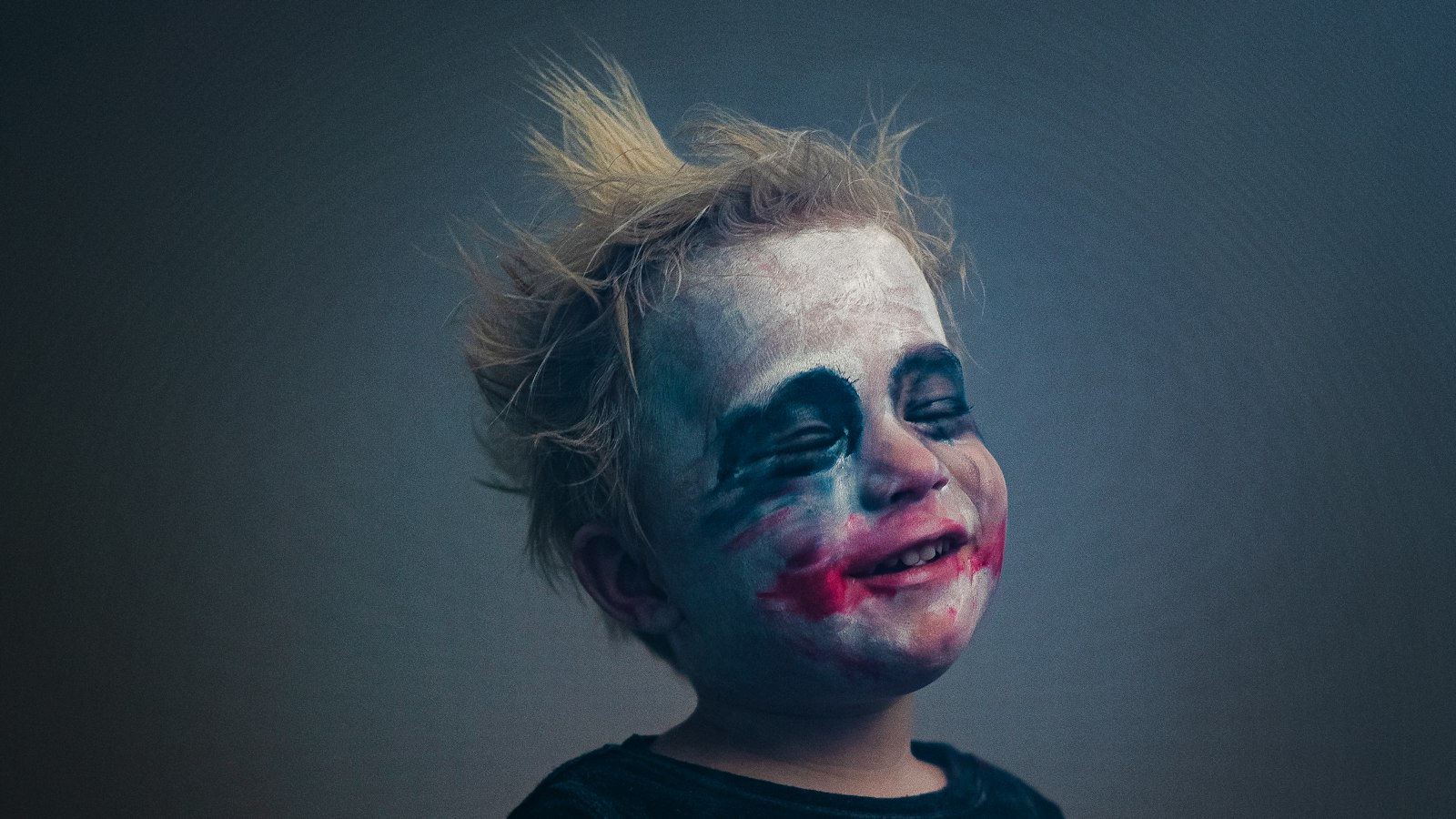
A painted cat nose or a friendly skeleton grin can make a child’s whole Halloween. But young skin is thinner and more reactive than adult skin, and in Singapore’s heat and humidity, products sit on the face while kids sweat, run around and rub their eyes. Choosing Halloween face paint for kids carefully, testing it first and taking it off gently will help the night end in smiles rather than a red, itchy rash.
This guide is for parents getting children ready for school parties, condo trick-or-treating or a Halloween event. It is general information, not medical advice. If your child has a skin condition or a history of allergies, check with your doctor or pharmacist before trying any new product.

What Makes a Face Paint Skin-Safe
Not everything sold in the Halloween aisle is meant for skin. Craft paints, markers and poster colours are not cosmetics and should never go on a child’s face. Look for products clearly sold as face paint or cosmetic makeup, with a full ingredient list on the packaging.
When comparing options, look for:
- Labelled as cosmetic face paint. The product should state it is for use on skin or face.
- A full ingredient list in English. If you cannot read what is in it, skip it.
- Water-activated or water-based formulas. These are usually easier to apply in thin layers and easier to wash off than heavy cream or grease paints.
- Fragrance-free where possible. Added fragrance is a common trigger for irritated skin.
- A clear manufacturer or distributor and a batch number or expiry date.
- Fresh stock. Old, dried-out or cracked paint can harbour bacteria, especially if it has been shared.
Be extra cautious with glitter. Use only cosmetic-grade glitter, and keep it well away from the eyes. Craft glitter can scratch the eye’s surface.
In Singapore, cosmetic products are regulated by the Health Sciences Authority (HSA). Our guide on how to check if a cosmetic product is safe in Singapore explains how to look up product alerts and what to watch for with cheap, unbranded imports sold online.
How to Do a Patch Test the Right Way
Even a well-reviewed product can irritate an individual child. A patch test is the simplest way to catch a reaction before it covers the whole face.
- Test a few days before Halloween, not on the night itself.
- Apply a small dab of each colour you plan to use on the inner forearm or behind the ear.
- Leave it on for as long as your child would wear it at the event, then wash it off.
- Check over the next day or two for redness, bumps, itching or swelling.
- Test every colour separately, since different pigments can behave differently. Red and bright pinks are colours some parents find more likely to cause trouble.
If you see a reaction, do not use that product. If the reaction is more than mild, or your child has swelling around the lips or eyes, or difficulty breathing, seek medical help promptly.
Extra Care for Eczema and Sensitive Skin
Many children in Singapore live with eczema, and the humid climate can make flares more likely. Face paint does not have to be off the table, but it needs more planning.
- Talk to your doctor first if your child’s eczema is active, or if they use prescription creams on the face.
- Never paint over broken, weeping or inflamed skin. Choose a design that avoids flare areas, or paint the hand or arm instead.
- Moisturise beforehand. Apply your child’s usual gentle moisturiser and let it absorb fully before painting. This creates a buffer layer.
- Keep designs small. A star on the cheek or a mask shape around the eyes (not on the eyelids) means less product on the skin.
- Shorten wear time. Plan to remove the paint as soon as the party ends, rather than letting your child sleep in it.
- Keep cool. Sweat under paint can sting and itch, so choose an air-conditioned event where possible and pack a small fan.
For costumes, consider non-paint alternatives like a printed mask, a headband with ears or a felt accessory. Children with very sensitive skin often enjoy these just as much.
Application Tips That Reduce Irritation
How you apply face paint also matters.
- Start with clean hands, clean brushes and clean sponges. Do not share sponges between children, as this can spread infections.
- Use thin layers. Several light layers look better and dry faster than one thick coat, and they crack less in the heat.
- Avoid the eye area and lips. Keep paint outside the eye socket and off the lips, where skin is thinnest and products can be swallowed.
- Let it dry fully before the child puts on hats, masks or hoods.
- Keep a small kit for touch-ups rather than repainting the whole face.
- Do not use setting sprays meant for adults unless the product says it is suitable for children.
Easy and Gentle Removal
Taking face paint off is where many problems start. Scrubbing hard with soap and a rough towel strips the skin barrier and can leave a child red and sore.
| Removal step | What to do | What to avoid |
|---|---|---|
| Loosen the paint | Smooth on a gentle, fragrance-free cleansing oil or lotion and wait a minute | Dragging a dry cloth across painted skin |
| Wipe away | Use a soft, damp cotton pad or washcloth with light strokes | Scrubbing, harsh exfoliants or alcohol-based wipes |
| Rinse | Wash with lukewarm water and a mild, soap-free cleanser | Hot water, which can dry and irritate skin |
| Calm the skin | Pat dry and apply your child’s usual moisturiser | Rubbing with a rough towel |
| Check afterwards | Look for redness or leftover pigment the next morning | Applying more paint the next day over irritated skin |
A few extra tips:
- Water-based paints usually come off with water and a mild cleanser. If colour lingers, a little cleansing oil helps.
- Cream or grease paints often need an oil-based remover first, then a gentle wash.
- Stubborn stains, often from deep reds or blues, may fade over a wash or two. Do not keep scrubbing in one session.
- Remove paint before bed. Sleeping in face paint can clog pores and irritate the skin.
Signs to Watch For After Halloween
Most mild redness settles within a day once the paint is off and the skin is moisturised. Contact your doctor or a polyclinic if you notice:
- A rash that spreads, blisters or oozes
- Swelling around the eyes or lips
- Eye redness, pain or discharge after paint or glitter got near the eyes
- Itching that disrupts sleep or does not improve
Keep the product packaging so your doctor can see the ingredients.
Making Face Paint Part of a Safe, Fun Night
Face painting can be a lovely bonding activity, and many children enjoy helping choose colours and designs. Pair it with a simple, kid-friendly plan for the evening and you are set. For ideas on the rest of the night, see our guide to planning a kid-friendly Halloween party at home. With a patch test, a gentle touch and a calm removal routine, your little one can be a tiger, a witch or a friendly ghost without paying for it with sore skin the next day.
Official sources: Health Sciences Authority (HSA)