
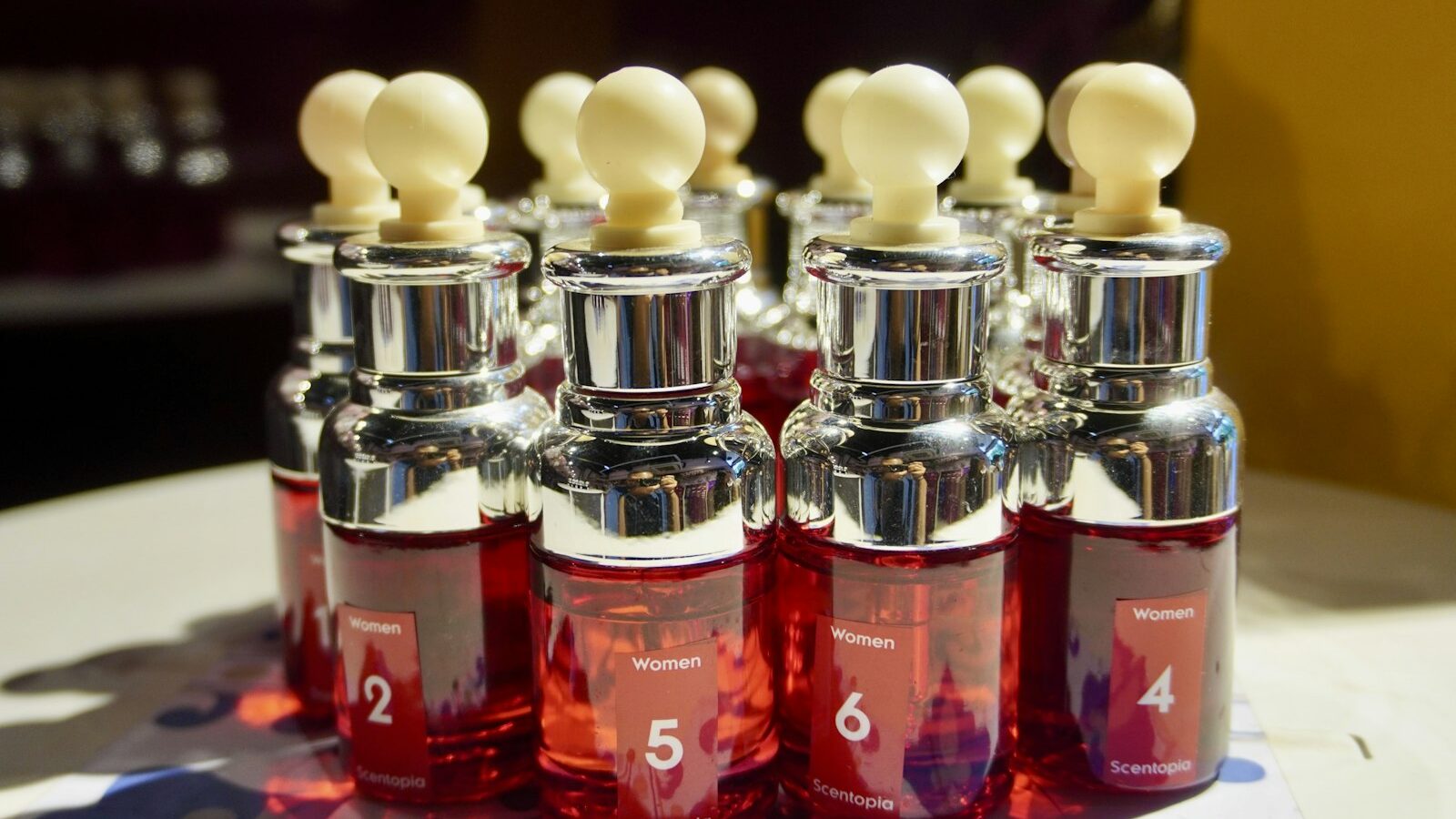
A new serum from an online shop, a whitening cream a friend swears by, or a lipstick bought on holiday: most of the time, these are perfectly fine. But every so often, the Health Sciences Authority (HSA) warns the public about cosmetics found to contain harmful substances such as mercury or undeclared medicines. Knowing how cosmetic product safety HSA rules work helps you shop with more confidence.
This guide explains how cosmetics are regulated in Singapore, which warning signs to look out for, and how to buy beauty products online more safely. It is general information, not medical advice. If you have a reaction to a product, see a doctor.

How Cosmetics Are Regulated in Singapore
The Health Sciences Authority (HSA) is the national regulator for health products, including cosmetics. Under Singapore’s framework, which follows the ASEAN Cosmetic Directive, a company that wants to sell a cosmetic product here must generally notify HSA before placing it on the market.
A few points are worth understanding:
- Notification is not approval. HSA does not test and approve each cosmetic before sale. The company that notifies the product is responsible for making sure it is safe and complies with the rules.
- There are ingredient rules. Some substances are banned in cosmetics, and others are allowed only within limits or for certain uses.
- HSA checks the market. It carries out surveillance and testing, and issues public alerts when it finds products that contain harmful or prohibited ingredients.
- Cosmetics cannot make medical claims. Products that claim to treat diseases or cause permanent changes to the body may fall under different rules.
Rules and processes can change, so check the HSA website for the current requirements and lists of prohibited and restricted ingredients.
Ingredients That Should Raise Red Flags
HSA alerts over the years have highlighted a few recurring problem ingredients, especially in creams sold for skin whitening, acne or quick results.
- Mercury: Sometimes found in illegal whitening or lightening creams. Mercury is not allowed as an ingredient in cosmetics here because it can harm the kidneys and nervous system, and it can be absorbed through the skin.
- Hydroquinone: A skin-lightening agent that in Singapore is controlled as a medicine rather than a cosmetic ingredient. It should not appear in an ordinary cosmetic.
- Tretinoin and other retinoic acids: Prescription-only in many contexts, and should not be in a regular cosmetic.
- Undeclared steroids: Sometimes found in creams that promise to clear skin fast. Long-term use can thin the skin and cause other problems.
You will not always see these on the label, because products sold illegally often leave them off. That is why where you buy and how a product is marketed matter just as much as the ingredient list.
Warning Signs on Labels and Listings
Look out for these signs that a product may not be what it claims.
| What you notice | Why it is a concern | What to do |
|---|---|---|
| Claims like “instant whitening in 3 days” or “permanent results” | Fast, dramatic changes can point to hidden potent ingredients | Be sceptical and check HSA’s alerts before buying |
| No ingredient list, or a label only in a language you cannot read | You cannot tell what is inside or who made it | Avoid it, or ask the seller for full details |
| No manufacturer or distributor address | Hard to trace the product if something goes wrong | Choose products from traceable companies |
| Homemade, repackaged or unbranded creams | Contents and hygiene are unknown | Avoid buying from unverified sellers |
| Price far below normal retail for a branded product | May be counterfeit | Buy from authorised retailers or official brand stores |
A product that ticks one box is not necessarily dangerous, but several red flags together are a good reason to walk away.
Buying Cosmetics Online More Safely
Online marketplaces and social media shops make it easy to buy beauty products from anywhere. They also make it easier for unsafe or counterfeit products to reach consumers.
Some practical habits help:
- Buy from official stores on marketplaces, or directly from the brand’s own website or authorised retailers.
- Be careful with overseas sellers. Products shipped from abroad may not have been notified for sale in Singapore. Check whether the seller is local and how the product is labelled.
- Check reviews with care. Reviews can be faked. Look for detailed, balanced reviews over time rather than a burst of five-star ratings.
- Avoid “doctor’s formula” or “clinic strength” creams sold by individuals. Products with medicinal-strength claims should come from a doctor or pharmacist, not a social media seller.
- Keep records. Save receipts, order details and product photos in case you need to report a problem.
The same caution you use online in other areas applies here. Our guide on how to keep your family safe online covers wider scam and fraud warning signs that often overlap with dodgy beauty sellers.
Checking HSA Alerts and Resources
Before buying an unfamiliar product, especially a whitening or acne cream, take a minute to check official sources.
- HSA product alerts: HSA publishes press releases and alerts about cosmetics and health products found to contain harmful ingredients. Search by product name or type on the HSA website.
- HSA guidance on cosmetics: The website explains how cosmetics are regulated and lists prohibited and restricted ingredients.
- Label check: Look for a clear ingredient list, the name and address of the company responsible, and batch details.
If you are unsure about a product, a pharmacist can often help you read a label or tell you whether an ingredient belongs in a medicine rather than a cosmetic.
What to Do if You React to a Product
Even safe, properly notified cosmetics can cause reactions in some people, such as redness, itching or breakouts. Patch testing a small amount on your inner arm before full use is a sensible habit, especially for sensitive skin.
If you have a reaction:
- Stop using the product straight away.
- See a doctor at a clinic or polyclinic if symptoms are severe, spreading or do not settle. Do not try to treat it with another strong cream.
- Keep the product and packaging, along with where and when you bought it.
- Report it to HSA. HSA accepts reports of adverse reactions and suspected illegal products. Check the HSA website for the current reporting channels.
If a product you bought is later named in an HSA alert, stop using it and follow the advice in the alert. If you have been using it for a long time, especially a whitening cream flagged for mercury, talk to a doctor.
Building a Safer Beauty Routine
Staying safe does not mean giving up on skincare or makeup you enjoy. It means being a little more selective about where you shop and how you read the claims.
- Stick to traceable brands and authorised retailers.
- Be wary of products that promise dramatic, fast results.
- Check HSA alerts for anything unfamiliar, particularly whitening, slimming or acne products.
- Patch test new products and listen to your skin.
The same “check before you trust it” mindset applies to many household purchases. If you like that approach, see our guide on how to check if a charger is safe for your device. With a few simple checks, you can enjoy your beauty routine and keep harmful products off your shelf.
Official sources: Health Sciences Authority (HSA)
Further reading: Do Beauty Products Expire? PAO Symbols and When to Toss Them · Halloween Face Paint for Kids: Safe Products and Easy Removal · Halal-Certified and Breathable Beauty Products in Singapore