
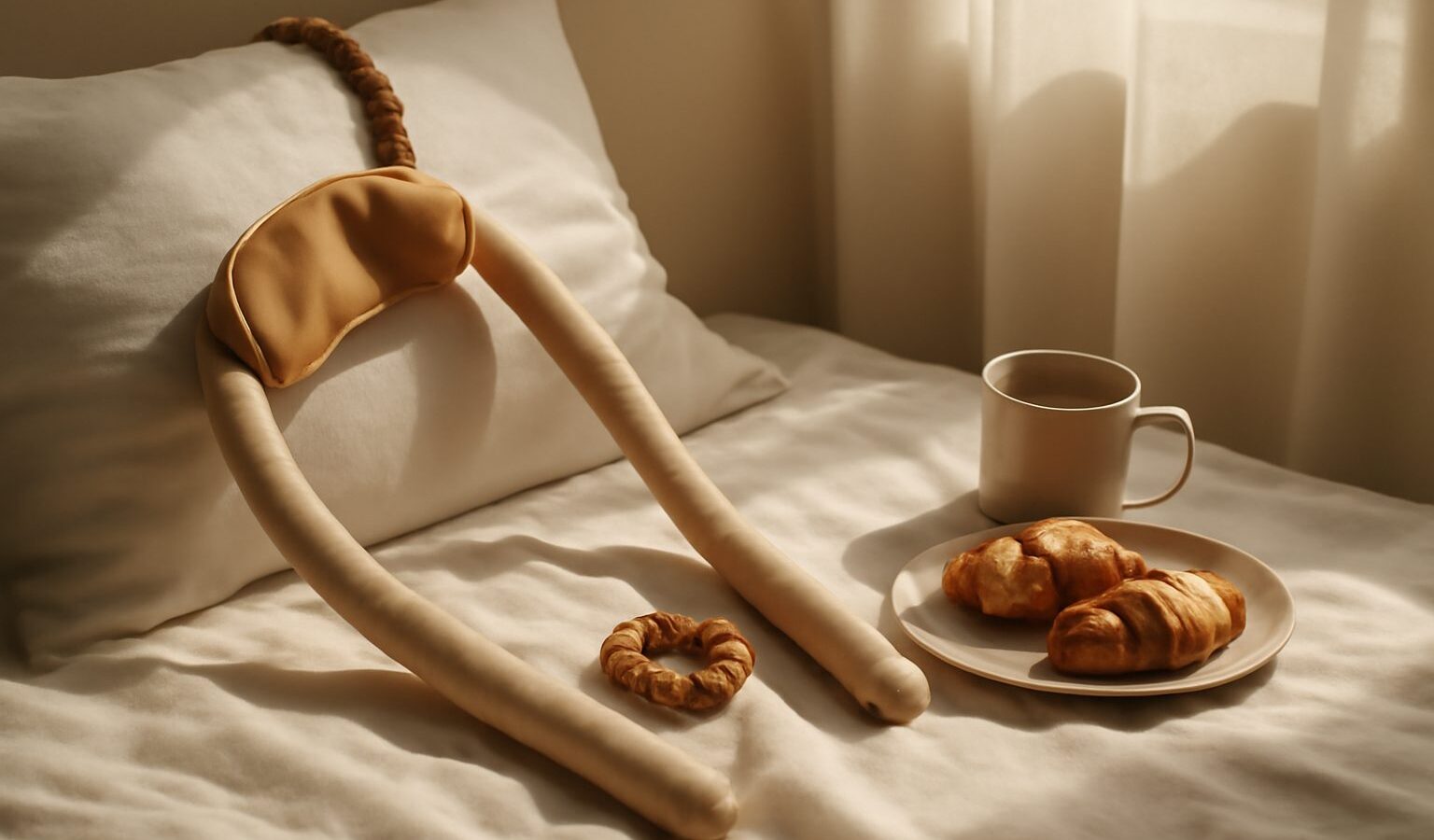
If you love soft bends and bouncy waves but dread the damage from daily heat styling, heatless curls in Singapore are worth learning properly. The idea is simple. You shape damp hair around a soft tool, let it dry into that shape while you go about your evening or sleep, then release it in the morning. No hot tools, no scorched ends, and far less stress on your strands. In our humid climate the results can be a little unpredictable, so a few small adjustments make all the difference between waves that hold and waves that fall flat by lunchtime.
Why Go Heatless
Heat styling is convenient, but repeated high temperatures weaken the hair cuticle over time, leading to dryness, breakage and split ends. Skipping the heat gives your hair a genuine break. It is also gentler on your scalp and kinder to colour-treated or already fragile hair.
There is a practical Singapore angle too. Getting ready in a warm bathroom while wrangling a hot curling wand is nobody’s idea of a good morning. Setting your curls the night before means you wake up with your look mostly done, which is a real win on humid, rushed weekdays.
Heatless methods do have limits. They suit soft waves and loose curls better than tight, defined ringlets, and hold varies with your hair type and length. Finer hair may need more overnight setting time, while thick or coarse hair may need to start with slightly damper strands. Treat the first few attempts as experiments rather than failures.
Popular Heatless Methods
There are several ways to create heatless curls, and the best one depends on your hair length and the shape you want.
- The robe-tie or curling ribbon method. A long soft fabric tube or a dressing-gown tie sits along the top of your head like a headband. You wrap sections of damp hair around it, working down each side, and secure the ends. This gives even, cascading waves and is comfortable enough to sleep in.
- Foam or fabric rollers. Soft rollers are a classic for good reason. Larger rollers give loose waves, smaller ones give tighter curls. Look for padded or bendy types rather than hard plastic so they do not dig in overnight.
- The bun or pineapple method. One or two loose buns, or a high loose pineapple at the crown, create relaxed bends without any tools. This is the lowest-effort option and great for beginners.
- Braids. Simple plaits give crimped, beachy texture. More braids and tighter plaits mean more defined waves. Loose, chunky braids give a gentle S-bend.
Whichever you choose, start with hair that is damp, not soaking wet, and not bone dry. Slightly damp hair takes the shape and dries into it. Applying a little lightweight styling product, such as a mousse, a curl cream or a sea-salt style spray, helps the wave set and last longer.
Making Waves Last in Singapore’s Humidity
Humidity is the great enemy of a set style. Moisture in the air swells the hair and encourages it to revert to its natural state, which is why waves can drop or frizz within hours here. A few habits help your heatless curls hold up.
Make sure your hair is genuinely dry before you take the rollers or ties out. If it is even slightly damp in the morning, the shape has not fully set and will loosen quickly. On very humid nights, giving yourself extra setting time or aiming your styling session earlier helps.
A light-hold hairspray or a flexible styling product locks the shape once you release it. Scrunching gently rather than brushing keeps the wave pattern intact, and running your fingers through rather than a comb prevents frizz. If you want to understand why frizz behaves the way it does here, our guide to taming frizz in Singapore’s humidity goes deeper.
Sleeping on a smoother surface reduces friction, which means less frizz and better-preserved waves. A silk pillowcase for hair and skin is a small upgrade that pays off overnight. For broader climate strategies, our overview of hair care in Singapore’s climate is a useful companion read.
Caring for Your Hair Along the Way
Heatless does not automatically mean damage-free. Pulling ties too tight, sleeping in hard rollers, or over-manipulating wet hair can still cause stress and breakage. Keep tension gentle, choose soft tools, and handle damp hair with care since it is at its most fragile when wet.
If your ends look dry or your waves never seem to hold, your hair may simply need more moisture and conditioning first. Well-hydrated, healthy hair takes and keeps a shape far better than parched, brittle hair. Regular conditioning, the occasional mask, and trimming away split ends all help.
A Simple Routine to Start With
If you are new to this, keep it easy. Wash and condition as usual, towel your hair until it is just damp, then work a small amount of mousse or curl cream through the mid-lengths and ends. Wrap your hair around a soft curling ribbon or set a few loose rollers, then sleep on it. In the morning, check it is fully dry, release the sections gently, scrunch, and finish with a light mist of flexible hairspray.
Give yourself a handful of tries to find the tool, the dampness level and the setting time that suit your hair. Once you land on your formula, heatless waves become one of the easiest and healthiest ways to change up your look, no hot tools required.