
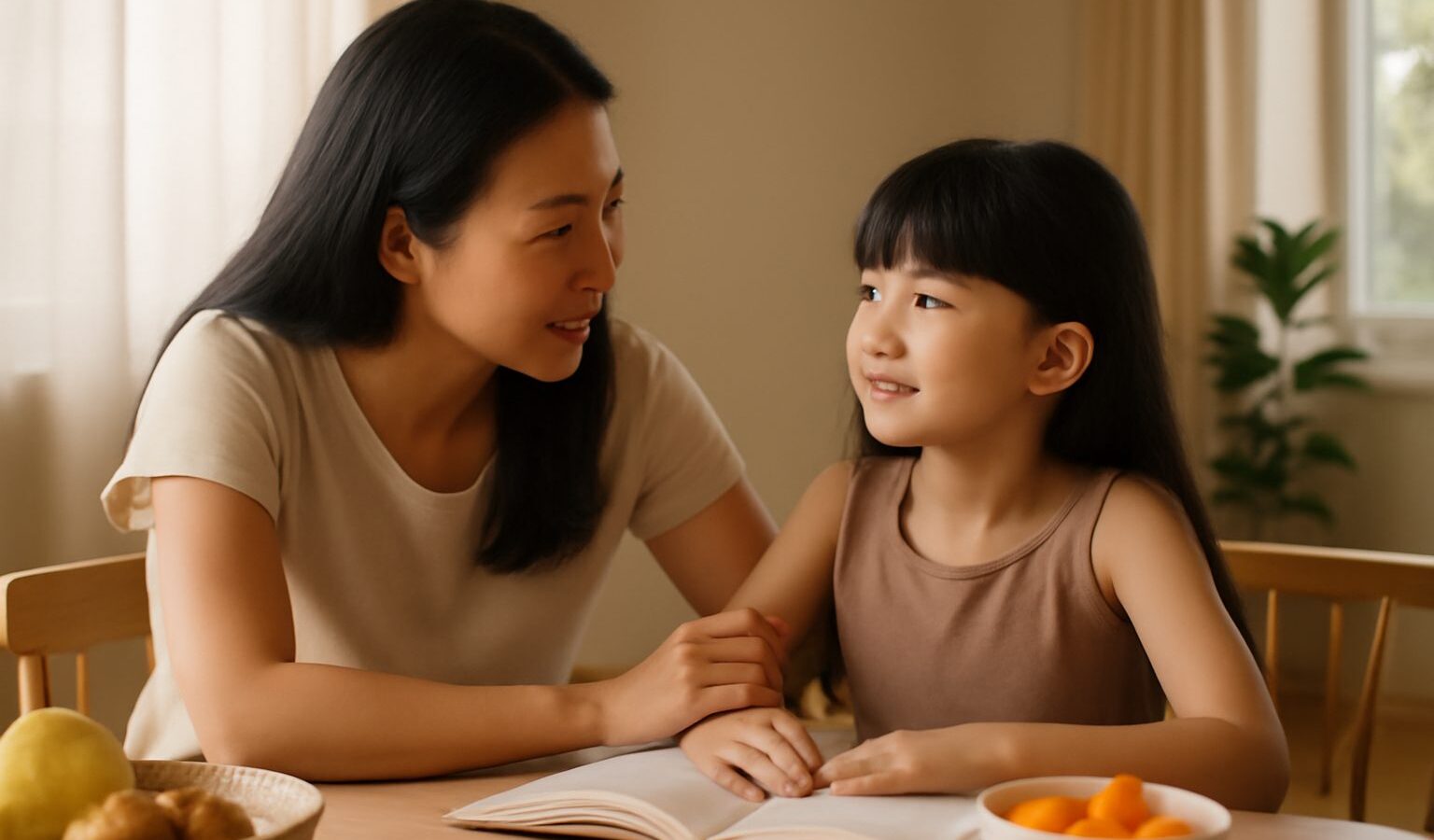
If you are looking for ways to support shy child confidence in Singapore, take heart, because shyness is not a flaw to fix but a temperament to understand. Many wonderful, thoughtful children are quiet by nature. They watch before they join, warm up slowly, and feel deeply. With patience and the right encouragement, a shy child can grow into a confident one who still stays true to their gentle self.
This is a supportive guide, not professional advice. Every child is different, so trust your instincts and read your own child’s cues as you try these ideas.
Understanding Shyness Rather Than Fixing It
Shyness often shows up as hanging back at parties, going quiet around new people, or clinging to a parent in unfamiliar places. It is helpful to remember that this is a normal part of many children’s personalities, not misbehaviour or weakness. When we accept a child’s temperament, we send a powerful message: you are fine just as you are.
The goal is not to turn a quiet child into a loud one. It is to help them feel secure enough to take part in the world at their own pace. Confidence grows from safety, so the more your child trusts that you will not push or embarrass them, the braver they tend to become.
Try to avoid labelling your child as shy in front of others, especially when they can hear it. Labels can stick and become a script a child feels they must follow. Instead, you might say your child likes to take their time to warm up.
Everyday Ways to Build Confidence
Small, steady steps work far better than one big push. Confidence is built in ordinary moments, through gentle practice and lots of encouragement. Here are approaches many families find helpful.
- Prepare your child before new situations by describing what to expect
- Arrive early to gatherings so your child settles before a crowd builds
- Let them warm up at their own speed without forcing greetings
- Give them small, manageable responsibilities to feel capable
- Praise effort and bravery rather than only outcomes
- Model calm, friendly social behaviour yourself, since children copy us
One-to-one playdates are especially valuable. A quiet child who freezes in a big group may blossom with a single friend in a familiar space such as home. Keep early playdates short and low-pressure, and build up as your child grows more comfortable. Choose a playmate whose temperament is a gentle match, since a boisterous friend can overwhelm a shy child, while a calmer companion helps them feel at ease. Let the children lead the play rather than organising every minute, and stay nearby without hovering so your child knows you are there.
Familiar community spaces can help too. A regular visit to the same playground, library corner, or neighbourhood activity lets your child grow comfortable through gentle repetition, meeting the same faces until they no longer feel new. Predictability is a quiet form of reassurance, and shy children often thrive on it.
Role play at home can help too. Practising how to ask to join a game, order at a hawker stall, or say hello to a neighbour, all through playful pretend, gives your child a rehearsed script they can lean on when the real moment comes.
Praise That Actually Builds Confidence
Not all praise lands the same way. Vague, over-the-top praise can feel hollow, while specific, honest encouragement helps a child believe in themselves. The table below shows the difference.
| Instead of saying | Try saying |
|---|---|
| You are so clever | You worked really hard on that puzzle |
| Do not be shy | Take your time, I am right here with you |
| Say hello now | You can wave when you feel ready |
| Good boy | I saw you share your toy, that was kind |
| Why are you scared | It is okay to feel nervous, let us try together |
The pattern is simple. Name the effort or the feeling, stay warm, and avoid pressure. Over time this kind of language teaches a child that trying counts and that big feelings are welcome.
Working With Preschools and Teachers
Your child’s preschool or school in Singapore can be a strong partner in building confidence. Teachers see your child in a group setting and can offer gentle support, such as pairing them with a kind buddy or easing them into activities. Share what works at home so there is consistency between the two worlds.
Ask the teacher how your child is settling and whether they take part in their own quiet way. Many shy children participate more than parents realise once they feel safe. If your child dreads school or their worry seems to grow rather than ease, raise it early with the teacher so you can plan together.
When to Seek Extra Support
Shyness is usually just part of who a child is, and most children grow more confident with time, warmth, and gentle practice. Now and then, though, deeper worry can hold a child back more than ordinary shyness.
Consider speaking to your family doctor or a professional if your child:
- Avoids most social situations to the point of distress
- Refuses to speak in settings where they are otherwise able to talk
- Has physical complaints such as tummy aches before social events
- Shows worry that seems to be getting worse rather than better over time
Reaching out is not an overreaction. A doctor or child professional can reassure you or suggest support, and early help is always a kindness, never a failure.
A Gentle Final Word
Building shy child confidence is a slow, loving process, and there are no shortcuts, only many small moments of encouragement. Celebrate the tiny wins, the wave to a neighbour, the joined game, the hand raised in class. Keep showing your child that they are loved exactly as they are, and let confidence grow from that safe, steady base. You are doing a wonderful job simply by caring this much.
Explore more
Toddler Tantrums and Behaviour
Family Bonding Ideas at Home
Baby Development and Milestones