
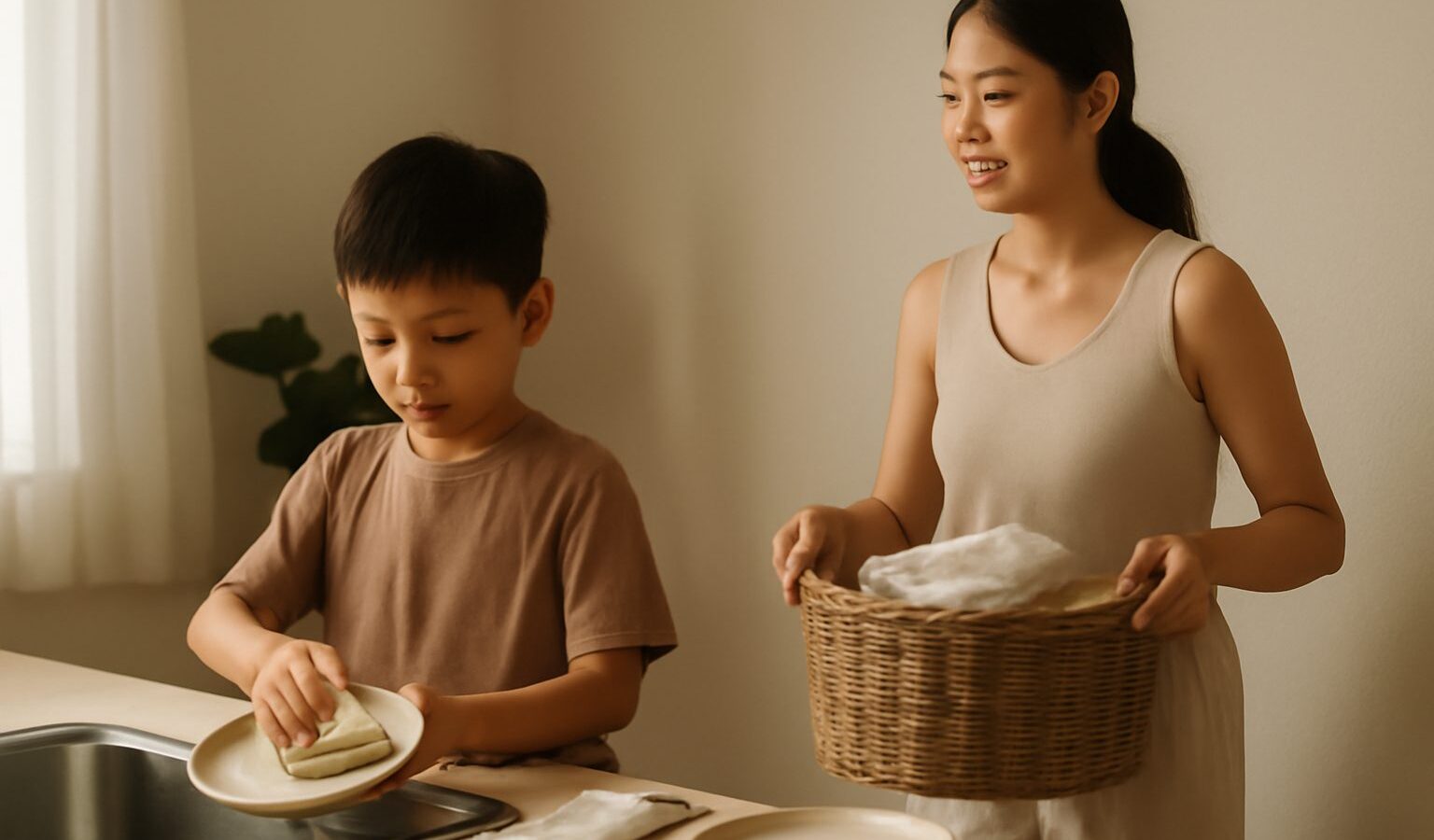
Nurturing childrens independence Singapore parents hope for is a gentle, gradual journey rather than a single milestone. In our busy, fast-paced city, it often feels quicker and easier to do everything for our children, to tie the shoelaces ourselves, pack the bag, spoon the food. Yet every small task we hand over is a gift of confidence, a quiet message that says I believe you can do this. Raising a capable, self-assured child is not about pushing them to grow up too fast. It is about walking beside them as they learn, one manageable step at a time, at a pace that feels right for your family.
If you sometimes worry that you are doing too much for your child, or too little, you are far from alone. This guide offers warm, practical ways to build independence and everyday life skills, always with your child’s safety and confidence at the heart of it.
Why Independence Matters So Much
When children learn to do things for themselves, they gain far more than a tidy room or a packed schoolbag. They build self-esteem, resilience and a genuine sense of I can. A child who has faced small challenges and come through them carries that quiet confidence into new situations, from the first day at a new school to the wider challenges of the teenage years and beyond.
Independence also teaches responsibility and problem-solving in a very real, hands-on way. A child who learns to manage their own belongings, help around the home and make small decisions is practising skills they will lean on for life. Importantly, letting children try, stumble and try again teaches them that mistakes are simply part of learning, not something to fear. This gentle resilience is one of the most valuable things we can nurture.
Some of us hold back from letting go because we worry, or because our own parents did things a certain way. That is understandable. The key is to see independence not as pushing our children away, but as steadily equipping them for the world, with our love and support always in the background.
Age-Appropriate Responsibilities
The secret to building independence is to match the task to your child’s stage, offering just enough challenge to stretch them without overwhelming them. Start small, expect some mess and mistakes along the way, and celebrate effort rather than perfection. The table below offers a gentle guide to what many children can begin to take on, though every child grows at their own pace.
| Age stage | Life skills to encourage | A gentle way to support |
|---|---|---|
| Toddler | Tidying toys, putting on shoes | Make it a game, offer plenty of praise |
| Preschooler | Dressing, simple tidying, table setting | Break tasks into small, clear steps |
| Early primary | Packing their bag, simple chores | Use a picture checklist, let them try first |
| Older child | Cooking basics, managing schoolwork | Teach once, then step back and trust |
| Preteen | Budgeting pocket money, travel basics | Guide from the side, allow safe mistakes |
The trick with any new skill is to resist the urge to swoop in and fix things. When your child puts their shirt on inside out or packs their bag imperfectly, it is tempting to redo it, but try to hold back. Let them experience the small, safe consequences of learning, and offer gentle guidance rather than taking over. Over time, these little tasks become second nature.
Giving children real, meaningful jobs around the home also helps them feel like valued members of the family. Even young children take pride in contributing, whether it is watering a plant, feeding a pet or helping to lay the table. Frame these not as chores to endure but as ways they help the family, which builds both skill and belonging.
Building Confidence Along the Way
Independence grows best in a warm, encouraging atmosphere. Praise the effort and the trying, not just the result, since a child who is told well done for having a go learns to keep trying even when things are hard. Avoid rushing to rescue at the first sign of struggle, as a little patience while your child works something out sends a powerful message that you trust them.
Offering small choices throughout the day is another gentle way to build confidence and decision-making. Letting your child pick between two outfits, choose a fruit for their snack or decide the order of their evening routine gives them a real sense of agency without overwhelming them. These small decisions are quiet rehearsals for the bigger ones they will face as they grow.
Be patient with the wobbles, too. Progress is rarely a straight line, and a child who managed something last week may resist it this week, especially when tired or unsettled. This is completely normal. Keep encouraging gently, keep your expectations warm but steady, and trust that the overall direction is forward.
Keeping Safety in Mind
As your child takes on more, safety naturally becomes part of the conversation, and teaching it calmly is itself a vital life skill. Rather than shielding your child from every risk, help them learn to handle age-appropriate ones sensibly. Teach kitchen safety alongside simple cooking, road safety before letting them walk a familiar route, and basic personal safety such as who to approach for help and how to reach you.
In Singapore, many families gradually let older children travel short, familiar journeys or stay home briefly on their own. When you feel your child is ready, introduce these steps slowly and with clear guidance, perhaps practising the bus route together first, or a short trial run at home. Make sure your child knows the household rules, your contact details and what to do in common tricky situations. Preparing them thoughtfully turns independence into something safe and empowering rather than worrying.
Growing Together
Building independence is ultimately a partnership that evolves as your child grows. Keep adjusting what you hand over, keep talking about how they feel, and keep offering your steady presence in the background. There will be days when it feels slower or messier to let your child do it themselves, and that is part of the process.
Trust that every small step, every tied shoelace and packed bag and simple meal made, is quietly shaping a capable, confident young person. With your patience, encouragement and love, your child will grow into their independence beautifully, ready for whatever lies ahead.
Explore more
Teaching Kids and Teens About Money
Parenting Teenagers in Singapore
Family Bonding Ideas at Home
Supporting Your Teens’ Mental Wellbeing