
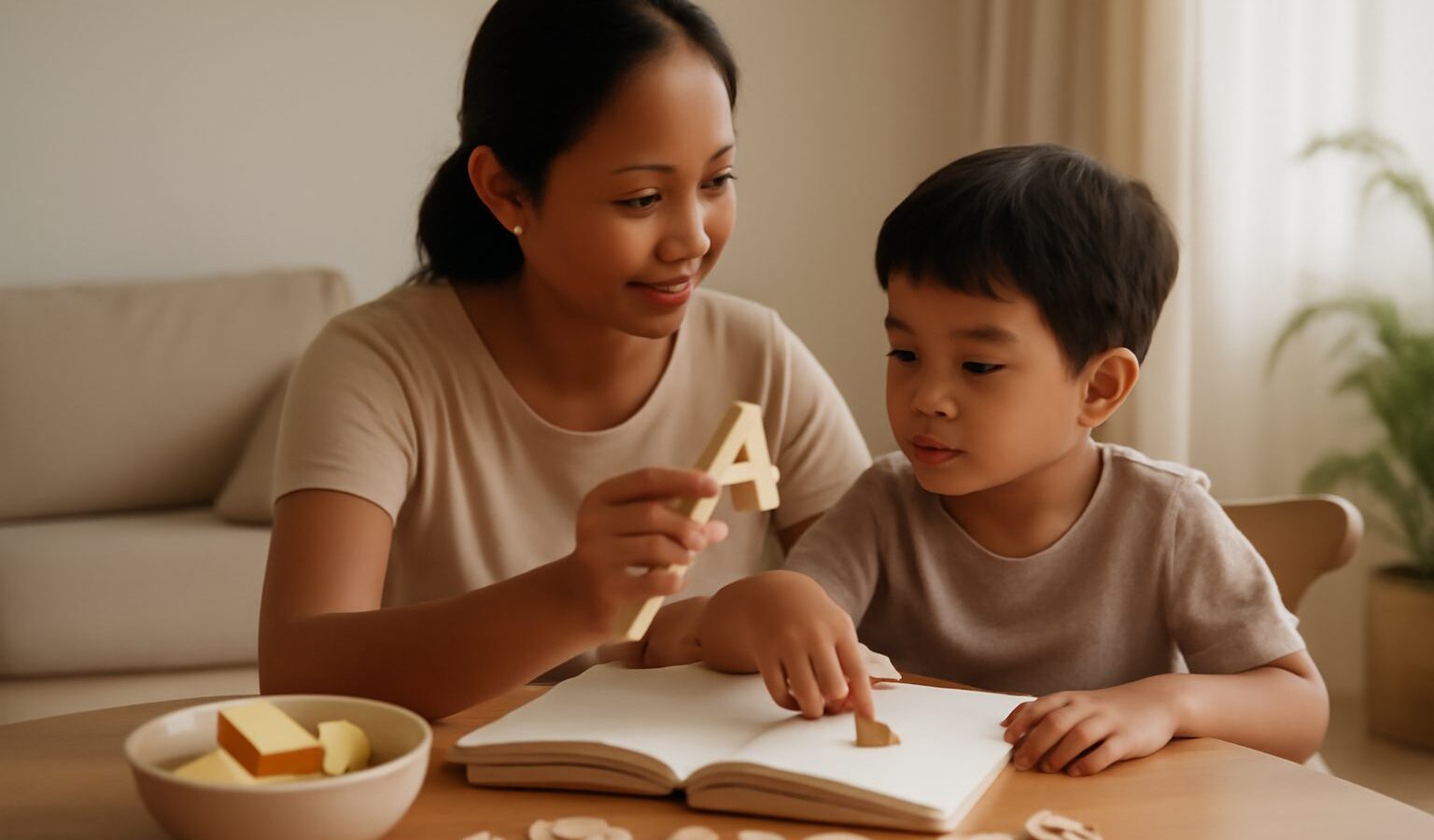
A rich vocabulary opens doors. Children who know more words find it easier to read, to understand what they read, to express big feelings, and to make friends. If you want to nurture your children’s vocabulary in Singapore, the encouraging news is that the most powerful tools are ones you already have at home: everyday conversation, shared books, and playful moments together. You do not need flashcards or expensive programmes. You need words, warmth, and a bit of everyday attention.
This guide keeps things simple and realistic. Every child develops at their own pace, and the aim is to make language part of daily life, not a chore.
Talk, Talk, and Talk Some More
The single best way to grow a child’s vocabulary is to talk with them, often and richly. This starts long before your child can reply. Narrate your day, describe what you see, and give things their proper names. Instead of “look at the bird”, you might say “look at that little brown sparrow hopping on the wall”. The extra words are small gifts.
A few habits make a big difference:
- Have real conversations. Ask open questions like “what do you think will happen?” rather than questions with a one word answer.
- Use varied, precise words. Say “enormous”, “gigantic”, or “tiny” instead of always “big” or “small”. Children soak up the words they hear around them.
- Follow their lead. When your child is fascinated by lorries, buses, or insects, lean in and give them the vocabulary for what they love.
- Explain new words in context. If you use a word your child does not know, offer a quick, natural explanation and move on.
Bilingual homes are common here, and speaking more than one language is a wonderful asset, not a source of confusion. Speak each language naturally and richly. Our guide to encouraging your toddler to talk has more on early language, and speech and language development covers what to expect as your child grows.
Read Together Every Day
Books contain words that rarely come up in daily chat, which makes reading one of the richest sources of new vocabulary. A shared story exposes your child to different sentence patterns, new ideas, and words they would not otherwise meet.
To get the most from reading:
- Read a little every day. Even ten minutes at bedtime builds a strong habit over time.
- Talk about the story. Pause to wonder aloud, ask what your child thinks, and link the story to their own life.
- Point out interesting words. When a word is new, explain it simply and perhaps use it again later that day.
- Revisit favourites. Repetition helps words stick, so do not worry about reading the same book many times.
- Use the library. Singapore’s public libraries are a free treasure chest of picture books and early readers in several languages.
If you would like to raise an enthusiastic reader, our guide to raising a bookworm and a love of reading is full of gentle ideas.
Learn Words Through Play and Daily Life
Vocabulary grows fastest when learning does not feel like learning. Everyday routines are full of chances to name and describe things. Cooking together introduces words like “simmer”, “chop”, “sprinkle”, and “sour”. A trip to the wet market or supermarket becomes a naming game. A walk in the park invites words for weather, plants, and creatures.
Play is just as powerful. Pretend play, in particular, pushes children to use language in new ways as they become a doctor, a hawker stall owner, or a bus driver. Our guide to encouraging imaginative and pretend play shows how to set this up easily at home. Simple word games in the car, singing songs, and rhyming games all add new words while everyone has fun.
Keep It Positive and Pressure-Free
It is natural to want your child to do well, but pushing too hard can backfire and make language feel like a test. Children learn words best when they feel relaxed and connected, not corrected. If your child says a word wrongly, avoid making a fuss. Simply repeat the sentence back correctly and carry on. This gentle modelling teaches without knocking their confidence.
Celebrate their attempts, enjoy their funny made-up words, and let curiosity lead. Progress in language is uneven, with quiet stretches and sudden leaps, so trust the long game.
That said, do keep a caring eye on development. Children reach language milestones at different times, but if you are worried that your child is not understanding or using words as expected, or has lost skills they once had, speak to your doctor or a paediatrician. Only a qualified professional such as a speech therapist can assess and support language concerns, and an early check is always worthwhile if something feels off.
A Practical Wrap-Up
Building your child’s vocabulary is woven into ordinary life. Talk richly and often, read together every day, name the world around you, and let play and daily routines do the heavy lifting. Keep the mood warm and free of pressure, celebrate every attempt, and enjoy your child’s love of words. If you ever have concerns about their language, trust your instincts and seek a professional check. Word by word, day by day, you are giving your child a gift that lasts a lifetime.