
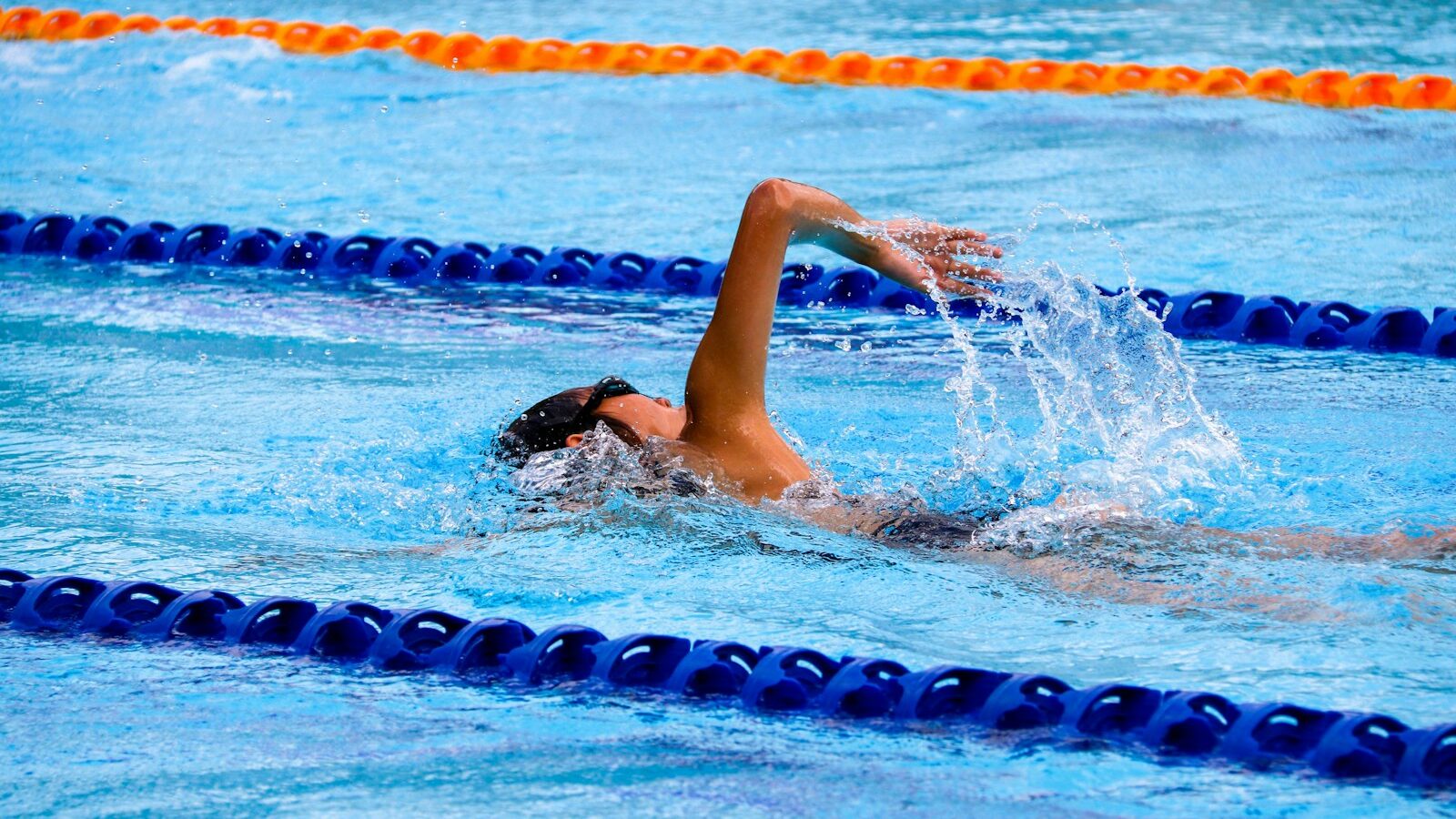
In a country ringed by water and dotted with public pools, swimming feels less like a hobby and more like a life skill. If you have been thinking about helping your child learn to swim, you are already doing something valuable for their safety and confidence. This is a warm, general guide to getting started without pressure, whether you are floating in the baby pool at your neighbourhood ActiveSG complex or paddling at a condo pool on a Sunday morning.
A quick and important note first. This article shares general parenting information, not medical, safety or coaching advice for your particular child. Every child develops at their own pace, and water carries real risk. For anything to do with your child’s health, follow your own doctor or paediatrician, and for lessons, work with a qualified instructor. Nothing here replaces active, arm’s-reach adult supervision.
Why water confidence matters here
Singapore living puts children near water often, sometimes without us planning it. There are condo and HDB town pools, splash areas at parks, the sea off our beaches, and even the humble bathtub at home. Learning to be calm and capable in water lowers panic in an emergency and builds a broader sense of physical confidence that spills into other areas of life.
It helps to separate two ideas. “Water confidence” is being relaxed and unafraid, comfortable getting the face wet, blowing bubbles and moving in the water. “Swimming” is the stroke skill that comes later. Younger children benefit hugely from the first long before they master the second. If you approach the early years as play and familiarity rather than performance, you take the pressure off both of you.
None of this makes a young child “drown-proof”, and it is worth saying plainly. No skill level removes the need for supervision. Even strong young swimmers can get into trouble in seconds, quietly and without the splashing most parents imagine.
Getting started gently
Early water time is really about trust. Hold your child securely, keep your face close and your voice calm, and let them set the pace. Warm, shallow water and a familiar adult do more for progress than any drill.
A few gentle starting points:
- Make bath time the first pool. Pouring water over the shoulders, then gradually over the head, helps a child get used to water on the face without fear.
- Teach bubbles and breath. Blowing bubbles turns breath control into a game and quietly builds a skill that underpins all swimming later.
- Go little and often. Short, happy sessions beat long ones that end in tears. Stop while your child is still enjoying it.
- Follow their cues. Some children take to water immediately, others need weeks of just sitting on the steps. Both are completely normal.
- Mind the heat and sun. Our sun is strong even in the pool. Use shade, a rash guard, sunscreen and plenty of drinking water, and watch for tiredness.
Try to keep your own nerves in check, because children read our body language quickly. If you feel anxious in water yourself, that is worth acknowledging so it does not pass on unspoken.
Choosing lessons and instructors
Many families reach a point where formal lessons make sense, often when a child can follow simple instructions and enjoys the water. Group classes build social comfort and are usually gentler on the wallet, while private lessons suit anxious children or those who need focused attention. There is no single right age; readiness varies from child to child, so let your child’s temperament and your instructor guide the timing rather than a fixed number.
When you look for a programme, ask about the instructor’s qualifications and lifesaving credentials, the student-to-instructor ratio, how they handle a frightened child, and whether they teach water safety and not just strokes. A good coach never forces a scared child under water. Trust your instinct if an approach feels harsh.
| What to look for | A reassuring sign | A reason to pause |
|---|---|---|
| Instructor approach | Patient, lets nervous children ease in | Pushes or dunks a frightened child |
| Class size | Small groups or one-to-one for beginners | Large group with one coach and no helper |
| Safety focus | Teaches floating, breathing and pool rules | Only drills strokes for speed |
| Your child’s mood | Comes out tired but keen to return | Dreads each session over many weeks |
If your child comes to genuinely dread lessons week after week, it is fine to pause and try again later. Swimming is a long game, and a bad early experience can linger. This mirrors the balance in supporting your child’s hobbies and interests, where enjoyment sustains a skill far better than pressure does.
Water safety habits for the whole family
Skill and safety are not the same thing, and the second protects your child far more than the first. Build a few non-negotiable habits early so they become second nature for everyone at home.
- Supervise actively, always. For young children this means an adult within arm’s reach, watching and not scrolling on a phone. Drowning is usually silent, quick and undramatic.
- Name a “water watcher”. At gatherings, agree who is watching the pool at any moment, and hand over clearly when you swap. “I thought you were watching” is how accidents happen.
- Respect open water. The sea, reservoirs and canals behave differently from a pool, with currents, sudden depth and no clear edges. Treat them with extra caution.
- Secure water at home. Empty basins, buckets and inflatable pools after use, and keep bathroom doors shut. Toddlers can get into trouble in surprisingly little water.
- Teach simple rules. No running on wet tiles, no going in without an adult, and always ask first. Repeat them until they stick.
- Consider learning CPR. Knowing infant and child CPR is reassuring for any caregiver, and reputable providers run family courses.
Armbands, floats and puddle jumpers can help with confidence, but treat them as toys and not safety devices. They can give a false sense of security, so never rely on them in place of your own eyes and hands.
Keeping it joyful over the years
The families who raise happy swimmers tend to keep the mood light for the long haul. Celebrate small wins, a first face in the water, a first unaided float, more than speed or distance. Let progress be uneven, because plateaus and even backward steps are part of learning.
Fold swimming into ordinary family fun rather than treating it as one more thing to achieve. A weekend at the pool sits naturally alongside encouraging outdoor play and nature, and it can be a lovely, screen-free way to spend time together. As your child grows, swimming also feeds a wider sense of capability that supports building independence in other parts of life.
Above all, protect the relationship. A child who feels safe, unhurried and cheered on will come back to the water again and again, and that steady, willing return is what turns nervous beginners into confident swimmers in the end.
If you ever have concerns about your child’s development, hearing, or any health condition that affects swimming, speak with your paediatrician or a qualified instructor who can tailor their approach. General guidance like this is a starting point, and your child’s own team knows them best.
Related across Sky Media: Learning to Swim as an Adult in Singapore · Helping Your Child with Homework in Singapore