
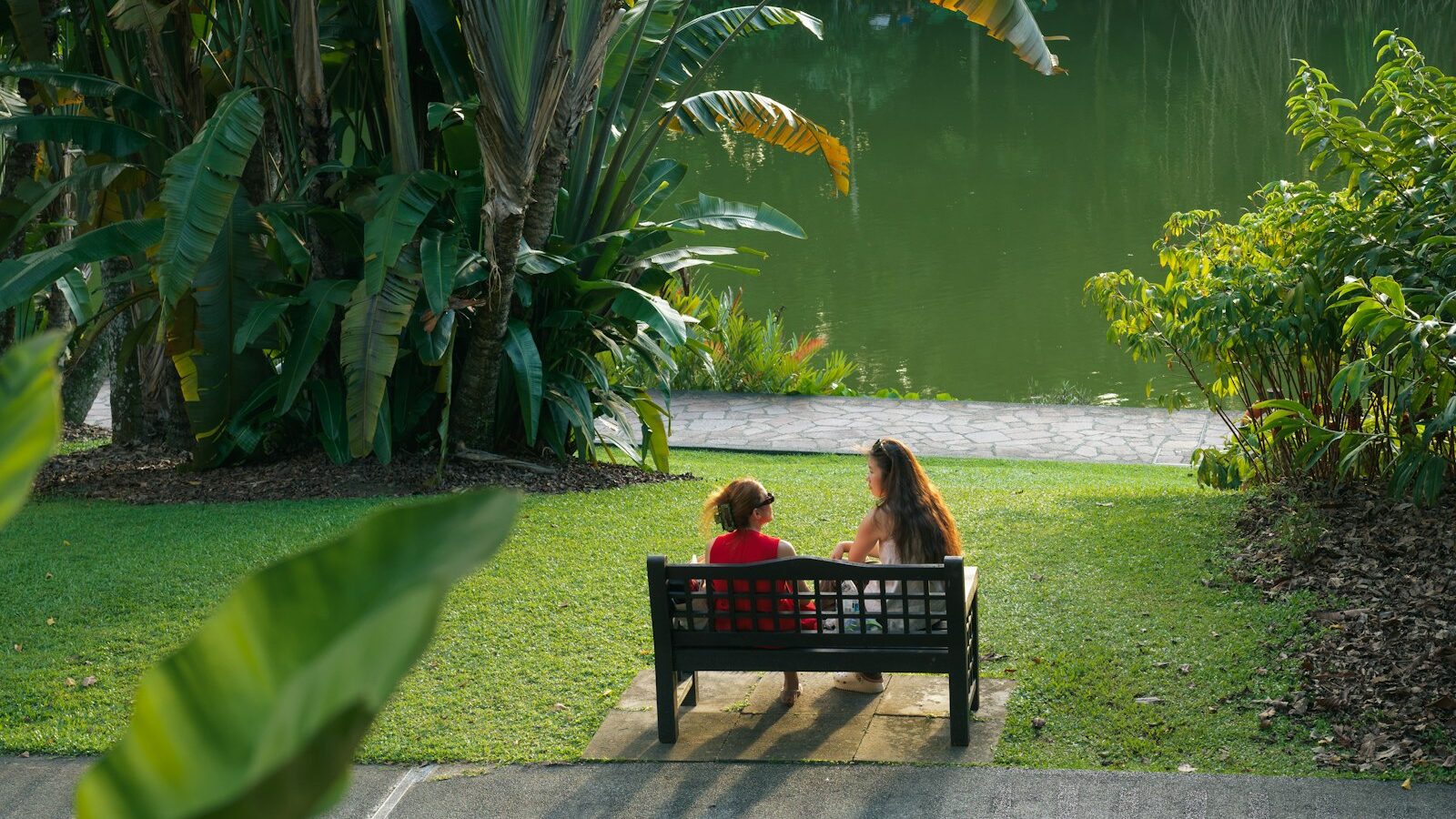
Outdoor play and nature are among the simplest, cheapest gifts you can give a child, yet in a busy, air-conditioned, screen-filled Singapore they can quietly slip out of the week. Between school, enrichment, homework, and the heat, it is easy for days to pass without a child feeling grass underfoot or chasing a shadow across a void deck. The good news is that you do not need a car, a big garden, or a free weekend to bring more of the outdoors into your child’s life. Small, regular doses do most of the work.
This is a gentle, practical guide for parents who want more fresh air and less friction. There are no rigid targets here, no guilt if some days are all indoors. Just ideas you can dip into, grounded in real Singapore family life, from HDB corridors and park connectors to the beach on a lucky Sunday.
Why Time Outdoors Matters So Much
Children are built to move, and the outdoors gives them room to do it. Running, climbing, balancing, and jumping build strength, coordination, and confidence in ways no worksheet can. Rough, unstructured play in open space also lets children test limits, take small risks, and learn what their bodies can do.
The benefits reach beyond the physical. Time in green, open spaces tends to calm busy minds and lift mood. Many parents notice their child sleeps better and melts down less after an afternoon outside. Nature also feeds curiosity. A snail on a leaf, a mynah tugging at a chip, or the way rain smells before it falls can spark more wonder than any app.
Outdoors is social too. At the playground, children learn to take turns, wait, negotiate, and include others, often across different ages and backgrounds. And unstructured outdoor time is a natural antidote to screens. If you are working on cutting screen time gently, pairing it with our ideas for encouraging screen-free play at home tends to work better than removing screens alone.
Making the Most of Singapore’s Outdoor Spaces
You are surrounded by more nature than it sometimes feels. Singapore packs a remarkable amount of green into a small island, much of it free and a short bus ride away.
- Neighbourhood playgrounds and void decks. The humble estate playground is a daily win. Void decks and common corridors work for chalk drawing, bubbles, and ball games when the weather turns.
- Park connectors. The islandwide network links estates to bigger parks and is ideal for cycling, scooting, and slow family walks. Little legs manage short loops well.
- Regional and nature parks. Places like the Botanic Gardens, with its dedicated children’s garden, or the many reservoir and coastal parks offer streams, sand, and shade for a half-day out.
- Community and rooftop gardens. Many estates have gardens where children can watch edible plants grow. A few pots on a corridor or balcony do the same on a small scale.
- The beach. East Coast and Pasir Ris reward an early start before the midday sun, with sand, tidal pools, and space to run.
You do not need to travel far. A ten-minute stop at the playground on the way home, or a walk to buy dinner at the hawker centre, counts as outdoor time. Consistency matters more than distance.
Simple Ways to Weave in Nature Every Day
Nature play does not need special gear or a plan. It thrives on permission and a little unhurried time. The idea is to let children lead, get a bit messy, and notice small things.
Try some of these, adjusting for your child’s age:
- Keep a “wonder” habit. On any walk, pause to watch ants at work, collect fallen frangipani flowers, or feel different leaves. Ask “what do you notice?” rather than naming everything for them.
- Grow something small. Sprout green beans in cotton wool, or plant kangkong or a chilli in a pot. Watering it becomes a daily reason to step outside.
- Bring water and sand into play. A basin of water on the balcony, cups, and a funnel can absorb a toddler for ages. Supervise closely near any water.
- Make loose parts available. Sticks, stones, leaves, and shells become boats, soup, and treasure. Open-ended bits beat single-purpose toys outdoors.
- Go out in light rain sometimes. With the all-clear on lightning, a puddle stomp in old sandals is a joyful, harmless memory in the making.
- Let boredom breathe. Resist filling every minute. A little unstructured time outdoors is where imagination usually kicks in.
Keeping the week from overflowing helps too. A packed timetable leaves no room for a spontaneous stop at the park, so our thoughts on avoiding over-scheduling your child sit closely alongside this one.
Playing Safely in the Heat and Sun
Singapore’s climate shapes how we go outdoors, and a little planning keeps play comfortable and safe. The table below sums up common situations and sensible ways to handle them. Treat it as general guidance, and follow the advice of your own doctor for your child’s needs.
| Situation | What to watch for | A sensible approach |
|---|---|---|
| Midday heat | Flushing, tiredness, crankiness, less energy | Play earlier or later; seek shade; offer water often |
| Strong sun | Risk of sunburn on exposed skin | Hats, light long sleeves, shade; sun protection as your doctor advises |
| Sudden storms | Lightning risk, slippery ground | Head indoors at the first thunder; wait it out fully |
| Water play | Fast, silent drowning risk | Stay within arm’s reach; never leave young children alone near water |
| Insects | Bites, the odd sting | Long sleeves at dusk; check for repellent guidance from your doctor |
A few more everyday pointers help. Bring a water bottle everywhere and offer sips regularly, since children can overheat quickly here. Dress them in light, breathable clothing and covered shoes for climbing frames. Teach simple playground manners, like checking no one is below the slide. Near roads and car parks, hold hands and model safe crossing, which pairs well with our guide on teaching your child road and traffic safety. If your family enjoys the water, learning to be safe in it early is worthwhile, and helping your child learn to swim covers a calm, gradual start.
Joining In Without Taking Over
Your involvement matters, but so does your restraint. Young children play more freely when a trusted adult is nearby yet not directing every move. Supervise actively, especially near water, roads, or busy play areas, while letting your child choose what to do and how.
You can also model the joy. Kick off your shoes, feel the grass, point out the moon, and let yourself be a little silly. Children who see parents delighting in the outdoors absorb that outdoors is for them too. Keep expectations light on tough days. Even five minutes downstairs after dinner counts, and some weeks will be busier than others.
Above all, follow your child’s cues and keep it pressure-free. Outdoor play and nature are not one more thing to perfect. They are simply a return to how children have always thrived, right here in our estates, parks, and shorelines. Start small, stay consistent, and let the fresh air do the rest. If you ever have concerns about your child’s development, energy, or health, please speak with your paediatrician or a polyclinic doctor for advice suited to your family.