
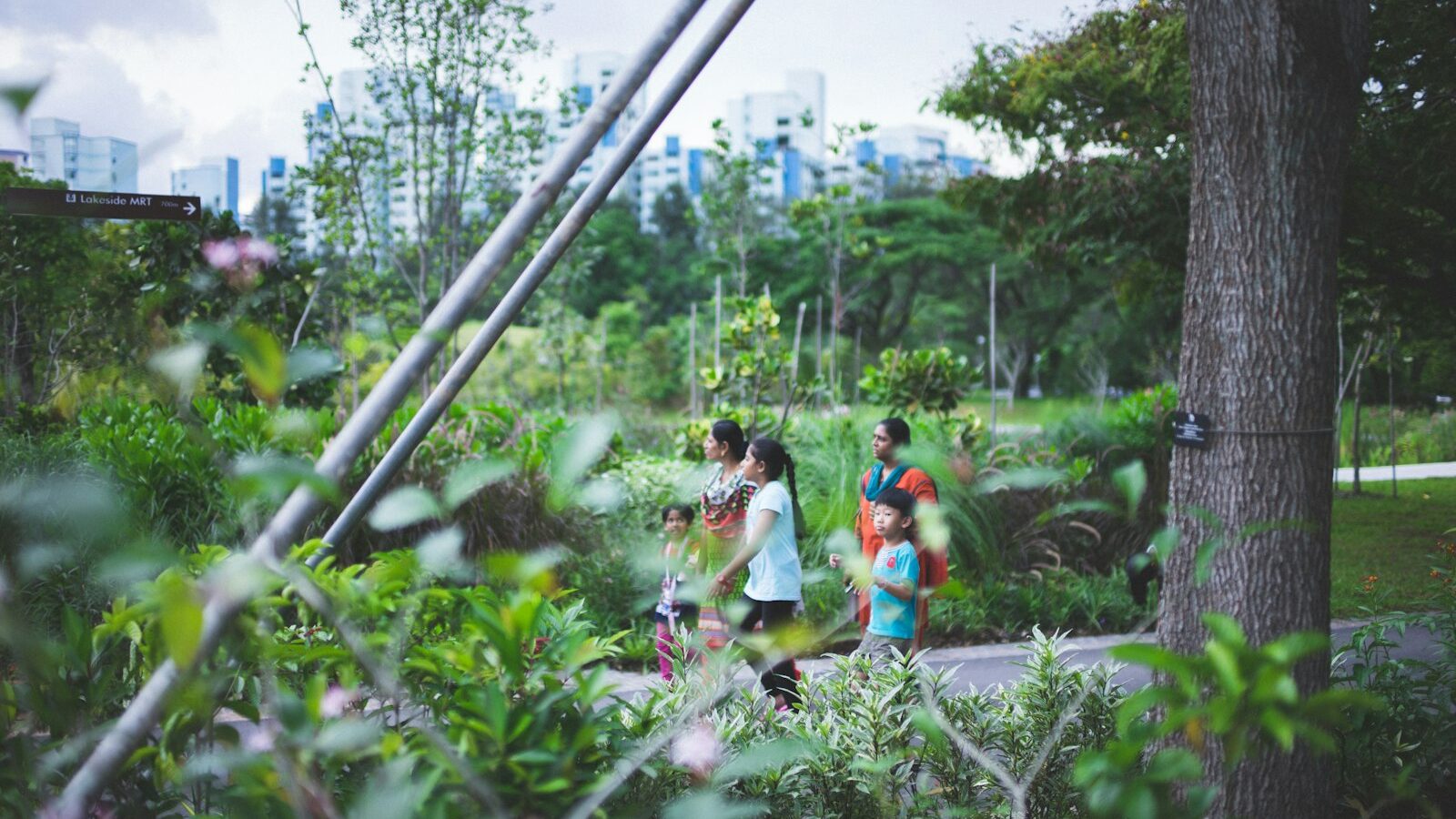
Watching your little one hover at the edge of a playground while other kids run off together can tug at any parent’s heart. Helping your child make friends in Singapore is one of those quiet worries that many mums and dads share but rarely talk about. The good news is that friendship is a skill, not a fixed trait, and children grow into it at their own pace. With gentle support, patience, and a few everyday habits, you can give your child the confidence to connect. This guide walks through what actually helps, without pressure or panic.
Why Some Children Take Longer to Connect
Every child arrives with a different temperament. Some walk into a birthday party and are swept into the group within minutes. Others need to watch from the side first, warming up slowly before they join in. Neither is wrong. A shy or cautious child is not broken, and a slow start does not predict a lonely future.
Several things shape how easily a child makes friends: age and stage, personality, past experiences, and how much practice they have had. A child who spent a lot of time at home with grandparents or a helper may simply have had fewer chances to mix with peers. Younger children also play differently. Toddlers often play side by side rather than together, which is completely normal and not a sign of trouble.
Try to hold back from labelling your child as “the shy one” in front of others. Children live up to the stories we tell about them. Describing your child as “someone who takes a little time to warm up” is kinder and truer, and it leaves the door open for growth.
Building the Social Skills That Friendship Needs
Friendship rests on small, learnable skills: greeting others, taking turns, sharing, reading faces, and recovering after a disagreement. You can nurture these at home in low-pressure ways.
- Play simple turn-taking games together, such as board games or ball games, so waiting and losing gracefully become familiar.
- Name feelings out loud during everyday moments, so your child learns to read emotions in themselves and others.
- Practise little scripts for joining in, like “Can I play too?” or “That looks fun, what are you building?”
- Role-play tricky moments with soft toys, such as what to do when someone says no or when a game feels unfair.
Keep these light and fun. The aim is rehearsal, not a lecture. A child who has practised saying hello in the safety of home finds it far easier to say it at the void deck playground or in the school canteen.
Everyday Chances to Practise in Singapore
Singapore offers plenty of natural meeting grounds if you look for them. Our hot, humid weather sends many families to shaded and indoor spots, which are perfect for repeat encounters where the same faces appear week after week. Familiarity is the soil friendship grows in.
Consider regular, low-key outings rather than one big event. The same weekly session at a community centre class, a library storytime, or an early morning visit to the neighbourhood playground before the midday heat all give children repeated contact with the same peers. When you are outdoors near water features or greenery, remember our mosquito reality: dress your child in light long sleeves where practical, and keep play areas free of stagnant water.
Arranging a playdate can feel awkward the first time, but most parents welcome the invitation. Start small with one child rather than a crowd, keep it short, and choose an activity that runs itself, such as a simple craft, building blocks, or water play in a supervised setting. A child near water should never be left unattended, even for a moment and even in shallow water. Ending a playdate while everyone is still having fun leaves a happy memory and makes the next one easier.
Matching Your Support to Your Child’s Stage
Children need different kinds of help as they grow. The table below offers a gentle guide to what tends to work at each stage. Every child is different, so treat these as starting points rather than rules.
| Stage | What friendship looks like | How you can help |
|---|---|---|
| Toddler (1 to 3) | Plays alongside others, shares reluctantly | Model sharing, keep playdates short, expect parallel play |
| Preschool (4 to 6) | First real playmates, frequent squabbles | Coach turn-taking, praise kind acts, arrange regular meets |
| Early primary (7 to 9) | Chosen friends, group games, feelings get hurt | Listen without fixing, role-play tricky moments, stay calm |
| Older primary (10 to 12) | Tighter circles, sensitivity to fitting in | Respect their space, keep talking, watch for exclusion |
When Your Child Feels Left Out
There will be days when your child comes home deflated because no one played with them. It hurts to hear, and the urge to swoop in and fix everything is strong. Often the most helpful first step is simply to listen. Let your child feel heard before you offer solutions. A calm “That sounds hard, tell me what happened” does more than a rush of advice.
Resist the temptation to solve every social wrinkle for your child. Learning to navigate small conflicts, to apologise, and to try again is part of how resilience grows. You can gently coach from the sidelines, then let them have a go.
That said, take a lasting pattern seriously. If your child seems persistently withdrawn, dreads going to school, stops eating or sleeping well, or shows signs of real distress or anxiety over a long stretch, that is worth attention. Loop in the form teacher or school counsellor, who sees your child in the group setting. If worries about your child’s mood or anxiety continue, speak to your GP or a paediatrician, and look up a current helpline for family and youth support. This guide offers general information, not a clinical diagnosis, so trust your instincts and seek professional help when something feels off.
Caring for Yourself Along the Way
Your own calm is one of the biggest gifts you can offer. Children read our worry, and if we hover anxiously at every playground, they sense that connecting is dangerous. It is normal to feel a pang when your child struggles socially, especially if you found friendship hard as a child yourself. Be gentle with your own memories.
Celebrate the small wins: a first wave, a shared toy, a name learned. Friendship rarely arrives in one big breakthrough. It builds slowly, in ordinary moments, over many ordinary weeks. Keep the pressure low, keep showing up, and trust that your steady support is doing its quiet work.
Explore More
For more gentle, practical parenting help, read our guide on supporting a child through bullying, which pairs naturally with building social confidence. If your family has one child, see raising an only child for tips on friendship beyond siblings. And because supporting a child takes energy, do look after yourself too with coping with parental burnout.
Related across Sky Media: Helping Your Child with Homework in Singapore · Helping Your Child Through Culture Shock