
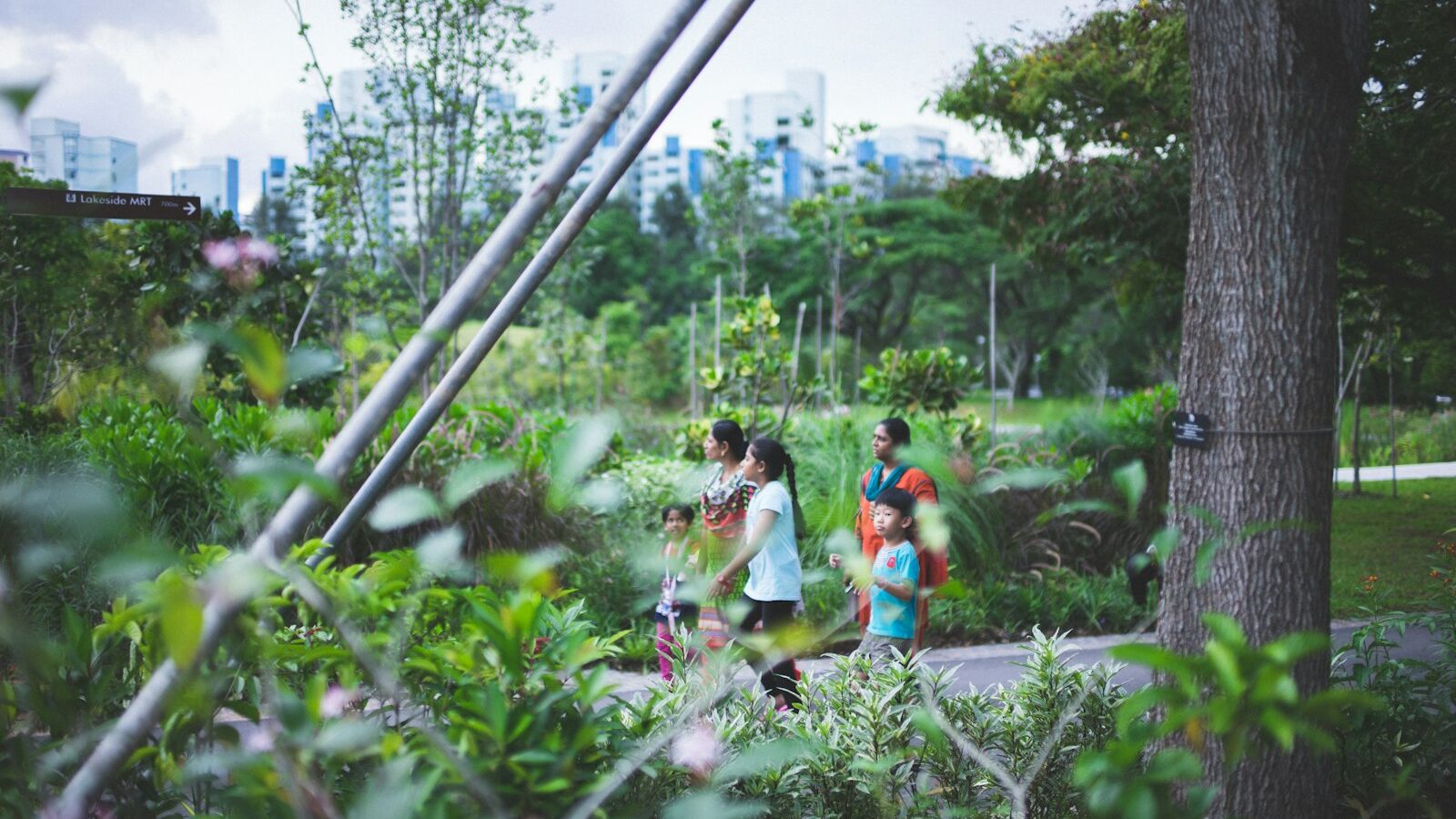
Moving countries is a big deal for adults, and it is often even bigger for a child who did not get a say in the decision. If your little one has been clingy, tearful, unusually quiet or suddenly reluctant to go to school, you may be seeing child culture shock in Singapore, and it is far more common than most parents realise. The good news is that with patience, warmth and a few practical steps, the vast majority of children settle in well. This guide offers gentle, reassuring ways to support your child through the wobbly early months.
What Culture Shock Looks Like in Children
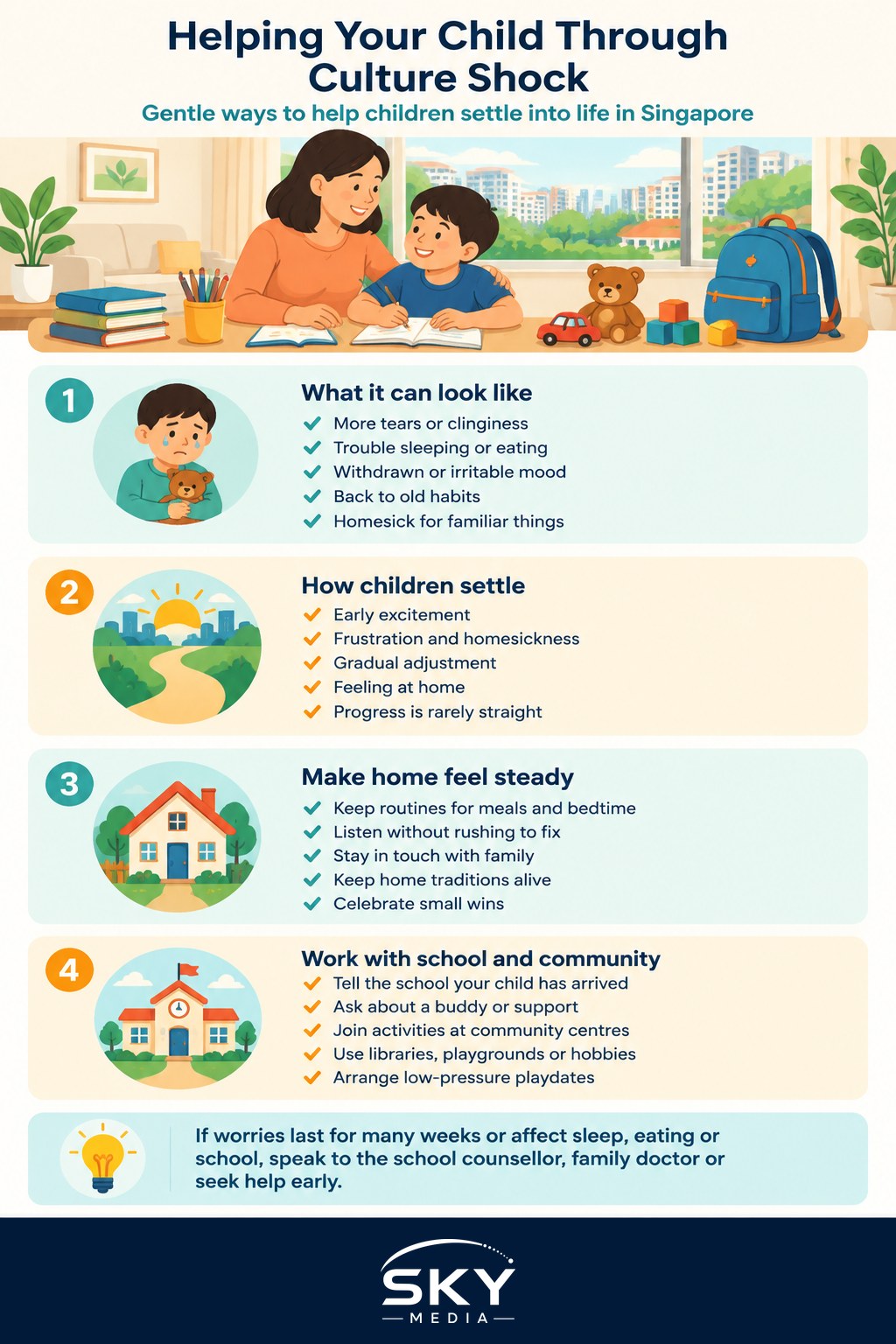
Children rarely announce that they are struggling with a big life change. Instead, it tends to show up in their behaviour and mood. You might notice more tears than usual, trouble sleeping, tummy aches with no clear cause, a dip in appetite, or a return to habits they had outgrown. Older children may become withdrawn, irritable or glued to games and videos from back home.
None of this means something is wrong with your child. It is a normal response to losing the familiar all at once: their friends, their school, their food, their language, even the sound of their old neighbourhood. Naming it helps. When you understand that these reactions are a natural part of adjusting, you can respond with patience rather than worry, and that calm is exactly what your child needs from you.
The Stages Children Often Move Through
Adjustment is rarely a straight line, but many families recognise a rough pattern. Knowing the shape of it can stop you panicking when a good week is followed by a hard one. The setbacks are normal and usually temporary.
| Stage | What you might see | How to help |
|---|---|---|
| Early excitement | Curiosity, everything feels like an adventure | Enjoy it, gently set routines |
| Frustration | Homesickness, tears, comparing to home | Listen, validate, keep patient |
| Gradual adjustment | New friends, small wins, more settled days | Praise effort, celebrate progress |
| Feeling at home | Comfortable, mixes old and new happily | Keep both cultures alive |
Every child moves through this at their own pace. Some race through in weeks, others take many months, and progress often zigzags. A wobbly day after a good stretch is not a failure. It is simply part of finding their feet in a new home.
Everyday Things That Feel Different
For a child arriving from mainland China, plenty of small differences add up. Singapore schools use English as the main language of instruction, which can be daunting even for a bright, confident child. The food in the canteen is unfamiliar, classmates may switch between English, Mandarin and Singlish, and the local Mandarin itself sounds a little different from home.
Social rules can feel confusing too, from how children make friends to how teachers are addressed. Give your child time and language for all this. Talk through their day, explain the differences without judging either country, and reassure them that feeling unsure is normal when everything is new. Keeping familiar comforts from home, favourite foods, video calls with grandparents, beloved books, gives them a steady anchor while the rest of the world shifts.
How Parents Can Help at Home
Home should be the one place that feels safe and predictable while everything outside is changing. A few simple habits make a real difference:
- Keep steady routines for meals, homework and bedtime, so the days feel dependable.
- Make time to listen properly, without rushing to fix or dismiss their worries.
- Let them stay in touch with family and old friends through regular video calls.
- Keep some home traditions alive, from festivals to favourite dishes, alongside new local ones.
- Model calm curiosity about Singapore, since children take their emotional cues from you.
Try not to over-schedule the early months. A child who is adjusting needs downtime as much as activities. Celebrate small victories too, like a new friend, a word of English used at school or a dish they discovered they love. Those little wins build the confidence that carries them through.
Working With the School and Community
Your child’s school is one of your best allies. Form teachers and school counsellors see many students settle in and can offer practical help, from a buddy in class to a quiet word of encouragement. Let the school know your child has recently arrived so staff can keep a kindly eye out. A short, honest conversation early on often smooths the path considerably.
Beyond school, community spaces help children feel they belong. The People’s Association and neighbourhood community centres run activities where children can make friends outside the classroom, and local libraries, playgrounds and interest groups all offer low-pressure ways to connect. Playdates with classmates, a weekend sport or a shared hobby can do more for a homesick child than any amount of talking.
When to Seek a Little Extra Support
Most children settle with time, love and patience. Occasionally, though, the struggle runs deeper or lasts longer than feels right. If your child seems persistently sad, anxious or withdrawn for many weeks, is not sleeping or eating properly, or the difficulties are clearly affecting school and daily life, it is wise to reach out for support. Asking for help early is a sign of good parenting, not failure.
Start with people who already know your child, such as the school counsellor or your family doctor, who can listen and point you to the right services. For trustworthy, up-to-date information on children’s wellbeing and current helpline numbers, HealthHub and mindline.sg are good official starting points. If you ever have a serious or urgent concern about your child’s health or safety, see a doctor or seek professional help without delay. Trust your instincts. You know your child best, and reaching out simply means giving them the fullest support to thrive in their new home.
Explore more
Settling children is one piece of a family move, and school often looms large. If you are weighing extra language help, see our guide on choosing a Chinese tuition centre for your child. For the practical side of relocating everyone, read moving your family over after you settle in Singapore, and to help your child understand local life, explore how Chinese New Year differs in China vs Singapore.
Further reading: Raising a Third Culture Kid in Singapore · Reverse Culture Shock When Moving Back