
Hiroshima is a city that turns a difficult chapter of history into a moving message of peace, and it rewards visitors with far more than its solemn memorials. Wide riverside boulevards, a castle, gardens, a beloved local pancake, and one of Japan’s most photographed shrines sitting in the sea on nearby Miyajima all wait to be discovered. Planning a trip to Hiroshima from Singapore takes a little routing, since there is no direct flight, but the journey is smooth and the payoff is a side of Japan many first timers miss. This guide covers the essentials for a Singapore based traveller.
Hiroshima works beautifully as part of a western Japan loop, slotting in alongside Osaka, Kyoto and beyond. It is calmer and more spacious than the big metropolises, which makes it a restful, reflective stop rather than a frantic one.
Getting There From Singapore
There are generally no direct flights from Changi to Hiroshima, so most Singaporeans route through a major Japanese gateway. The common approach is to fly into Tokyo or Osaka, both roughly six to seven hours direct from Singapore, then continue by rail. Osaka is the more convenient jumping off point.
From the Osaka area, the bullet train reaches Hiroshima in well under two hours, gliding past countryside and coastline. From Tokyo, the same high speed line takes around four hours, which is why many travellers pair Hiroshima with a Kansai base rather than the capital. If you plan several long train hops, a rail pass can make sense, though you should check current prices and coverage before buying, as terms change.
On entry matters, Singapore passport holders should confirm the latest visa and entry requirements with the Japanese embassy and with ICA before departure. For general safety guidance, refer to MFA travel advisories.
Best Time to Visit
Hiroshima sits in a mild coastal pocket of western Japan, so its weather is generally gentle, though summers are humid in a way Singaporeans will recognise and winters are cool rather than harsh. Your choice of season shapes both comfort and scenery.
| Season | Rough months | Weather | Why go |
|---|---|---|---|
| Spring | March to May | Mild and pleasant | Cherry blossoms at the castle and along the rivers |
| Summer | June to August | Hot and humid | Sea breezes on Miyajima, lively festival atmosphere |
| Autumn | September to November | Cool and clear | Fiery maple leaves on Miyajima, comfortable walking |
| Winter | December to February | Cold but often bright | Fewer crowds, oysters in season, crisp island views |
Spring and autumn are the most rewarding windows, balancing kind weather with beautiful colour. Winter has its own appeal for oyster lovers and travellers who prefer quiet.
Top Things to See and Do
The Peace Memorial Park is the emotional heart of any visit. The preserved skeletal dome, the museum, and the arching memorial cenotaph together tell the city’s story with dignity and restraint. Give yourself unhurried time here, and treat the site with the quiet respect it deserves.
Beyond the park, the rebuilt Hiroshima Castle and the elegant Shukkeien garden offer greenery and calm. But the highlight for many is the short trip to Miyajima island, reached by a quick ferry. Its famous shrine appears to float at high tide, its grand gateway standing in the shallows, while friendly deer wander the lanes and a ropeway and hiking trails climb the forested peak behind. Try to time the tide, as the scene transforms between high and low water.
For families, the island’s deer, cable car and easy waterfront make an effortless day out. Couples will love the sunset light on the shrine, and history minded travellers can lose hours in the memorial museum.
Where to Stay
Most visitors base themselves in central Hiroshima, near the main station or the downtown shopping and dining district, which keeps trams, sights and restaurants within easy reach. This is the practical, well connected choice for a two or three night stay.
For a slower, more atmospheric experience, consider an overnight on Miyajima itself. Once the day trippers leave on the last ferries, the island grows peaceful, and staying in a traditional inn near the shrine lets you enjoy it in near solitude, with hot spring baths and multi course dinners. Accommodation ranges from business hotels and guesthouses in the city to ryokan on the island, so there is something for most budgets. Book island inns early, as rooms are limited.
Food and Dining
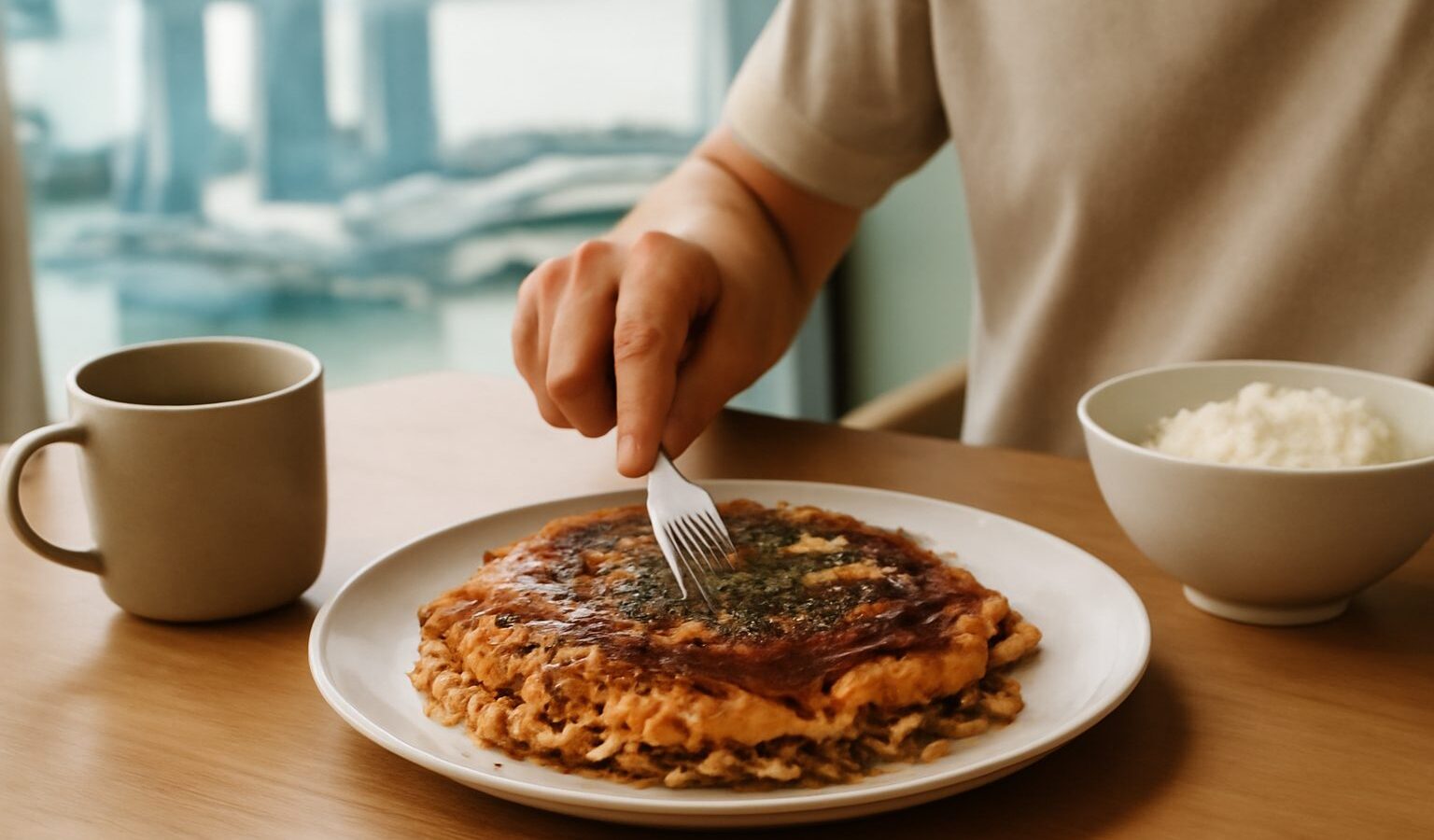
Hiroshima has its own proud version of okonomiyaki, a savoury layered pancake built with noodles, cabbage and egg, cooked on a hot griddle and best eaten at a counter while the cook works. The region is also famous for plump oysters, especially in the cooler months, served grilled, fried or steamed. On Miyajima, look for grilled oysters at street stalls and the maple leaf shaped cakes filled with sweet bean paste.
Halal and vegetarian travellers should plan ahead, as dedicated halal dining is limited. A handful of Muslim friendly options exist in the city, vegetable and tofu dishes are widely available, and convenience stores help with labelled snacks. Notify accommodation of dietary needs in advance where possible, and carry a translation card listing ingredients you avoid.
Getting Around and Practical Tips
Central Hiroshima is easy to explore on foot and by its vintage tram network, which trundles to most major sights for a modest flat fare. The ferry to Miyajima is straightforward, and rail links the city to the rest of western Japan.
A few practical notes. The currency is the Japanese yen; cards work in most city venues, but keep cash for trams, small stalls and the island. English signage is decent at major sights, though a translation app smooths conversations elsewhere. Hiroshima is very safe, with the usual common sense precautions against petty issues in crowds. Budget wise, Japan runs pricier than a typical Southeast Asian break, but tram fares, street food and guesthouses help stretch a trip. For any pre travel health advice or vaccinations, see a doctor or travel clinic before you fly.
Explore more
Hiroshima pairs naturally with western Japan, so combine it with the temples of Kyoto from Singapore or the deer park and old capital charm of Nara from Singapore. Food lovers heading through the region should also see our guide to Kobe from Singapore for another easy Kansai add on.