
Kobe is one of Japan’s most cosmopolitan cities, a sophisticated port squeezed gracefully between mountains and sea. It gave the world a legendary beef, welcomed foreign traders whose old mansions still line a hillside district, and today offers glittering harbour views, hot spring retreats and easy access to the rest of the Kansai region. Planning a trip to Kobe from Singapore takes a short connection through Osaka and a quick train, and this guide sets out everything a Singapore based traveller needs, from flights and seasons to food, neighbourhoods and getting around.
Kobe pairs effortlessly with Osaka, Kyoto and Nara, so many travellers fold it into a wider Kansai loop rather than visiting alone. It is relaxed, stylish and walkable, a pleasant change of pace from the bigger, busier cities nearby.
Getting There From Singapore
There are generally no direct flights from Changi to Kobe, so most Singaporeans fly into the Osaka area, around six to seven hours direct, then continue by train. Kobe is very close to Osaka, reachable in around half an hour by frequent rail services, which makes it an easy addition to any Kansai trip.
The bullet train also stops in the region, linking Kobe to Kyoto, Hiroshima and beyond, so it slots neatly into longer journeys across western Japan. If you plan several long rail hops, a regional pass can be worth it, but check current prices and coverage before committing, as terms change. Because Osaka is so near, some visitors day trip to Kobe, though an overnight lets you enjoy the harbour lights.
For entry, Singapore passport holders should confirm the latest visa and entry requirements with the Japanese embassy and with ICA before booking. For safety guidance, refer to MFA travel advisories.
Best Time to Visit
Kobe enjoys a mild coastal climate, with humid summers Singaporeans will find familiar and cool, comfortable winters. Each season brings a different reason to visit, from blossoms to illuminations.
| Season | Rough months | Weather | Why go |
|---|---|---|---|
| Spring | March to May | Mild and pleasant | Cherry blossoms, comfortable walking weather |
| Summer | June to August | Hot and humid | Sea breezes, harbour festivals, mountain escapes |
| Autumn | September to November | Cool and clear | Maple colour on Mount Rokko, crisp harbour views |
| Winter | December to February | Cold but bright | Sparkling illuminations, fewer crowds, hot springs |
Spring and autumn offer the kindest weather and the prettiest scenery. Winter has a special charm too, when the city stages its famous light displays and the mountain hot springs feel especially inviting.
Top Things to See and Do
Start at the waterfront, where a landmark red tower, a maritime museum and a stylish shopping and dining harbour make for an easy, photogenic stroll, particularly after dark when the lights come on. Above the city, the Kitano district preserves the Western style homes of early foreign residents, their weathervanes and verandas giving the streets a distinctly international air.
For nature and views, ride up Mount Rokko or neighbouring Mount Maya for one of Japan’s most celebrated night panoramas over the twinkling city and bay. On the far side of the mountains lies one of the country’s oldest hot spring towns, an easy escape for a therapeutic soak in mineral rich waters, some famously golden brown. Sake fans should visit the Nada brewing district, where historic breweries open their doors for tastings and explain the craft.
Families enjoy the harbour attractions and mountain ropeways, while couples favour the night views and hot spring retreats.
Where to Stay
Most visitors base themselves near the main stations and the harbour, which keeps the waterfront, shopping streets and dining within easy reach and offers smooth connections to Osaka and Kyoto. This central area is the practical choice for a night or two.
For something different, the historic hot spring town behind the mountains makes a lovely overnight, with traditional inns, baths and a village atmosphere just a short ride from the city. Accommodation across Kobe ranges from business hotels and guesthouses to refined ryokan in the hot spring quarter, so most budgets are catered for. Book ahead during blossom season and the winter illuminations, when demand rises.
Food and Dining
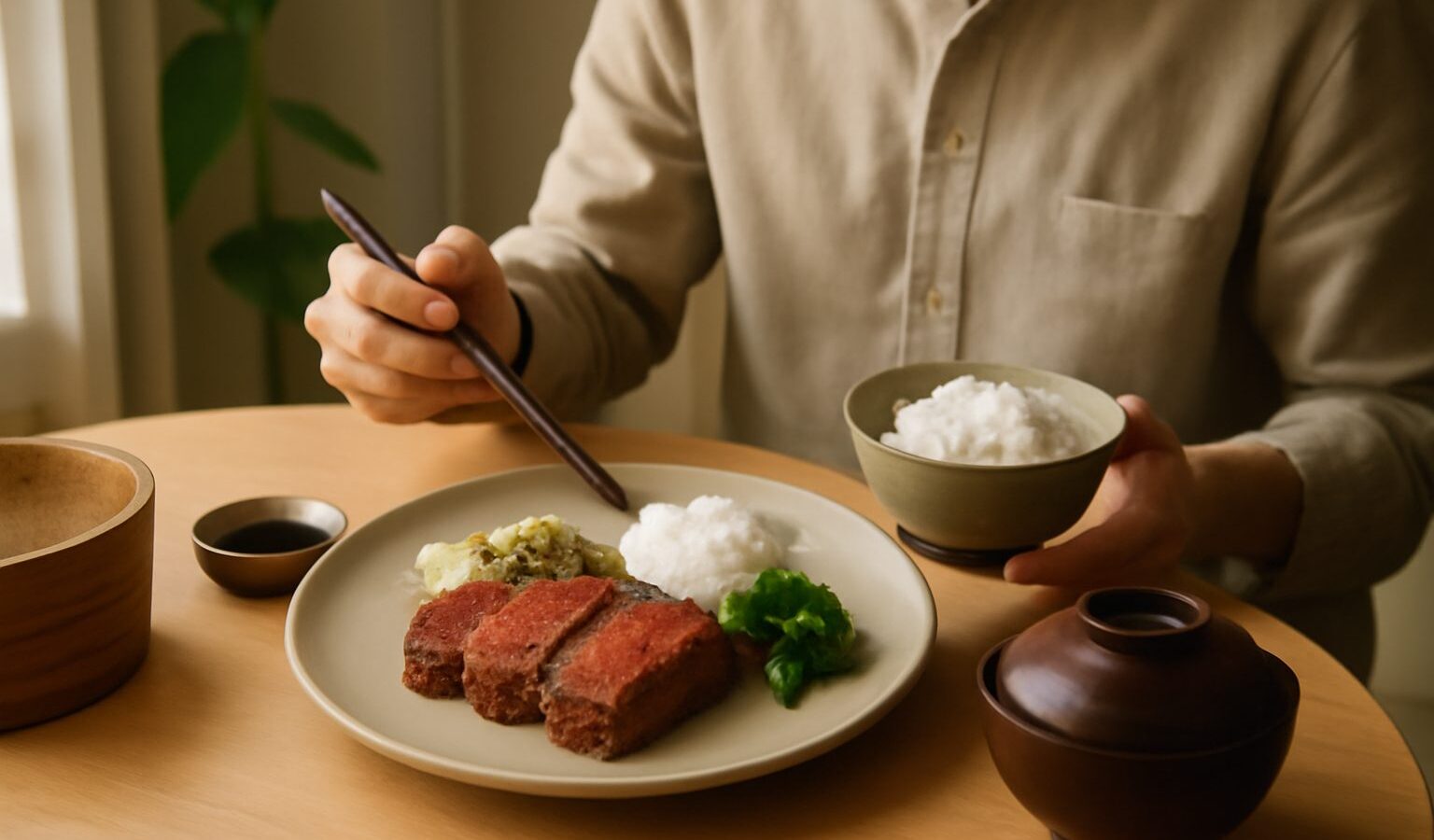
Kobe is synonymous with its prized marbled beef, celebrated for melting tenderness, and a proper teppanyaki dinner where a chef grills it before you is a bucket list splurge. Beyond beef, the city’s port heritage shows in its bakeries, sweets and international restaurants, and nearby Nada sake makes a fine accompaniment. Chinatown offers lively street snacks and dumplings for a casual bite.
Halal and vegetarian travellers should note that dedicated halal dining is limited, though a growing handful of Muslim friendly venues exist, and vegetable, tofu and noodle dishes are widely available. Some beef restaurants may cater to specific requests, so ask ahead, and use convenience store labels and certified snacks to fill gaps. Tell your accommodation of dietary needs in advance where possible.
Getting Around and Practical Tips
Central Kobe is compact and walkable, and a mix of trains, subways, a loop bus and mountain ropeways connects the harbour, hillside districts and peaks. Getting to Osaka, Kyoto and Nara is quick and frequent, which is why Kobe works so well as a Kansai base or day trip.
A few practical notes for Singapore travellers. The currency is the Japanese yen; cards are widely accepted in the city, but carry cash for smaller shops, buses and the hot spring town. English signage is good at major sights, and a translation app helps elsewhere. Kobe is very safe, needing only the usual common sense precautions. Budget wise, Japan runs pricier than a typical regional getaway, and a Kobe beef dinner is a genuine treat, but harbour walks, Chinatown snacks and guesthouses keep everyday costs reasonable. For pre travel health advice, see a doctor or travel clinic before departure.
Explore more
Kobe is the ideal Kansai companion, so pair it with the temples of Kyoto from Singapore and the deer park of Nara from Singapore on the same trip. Food and history lovers travelling further west should also read our guide to Hiroshima from Singapore.