
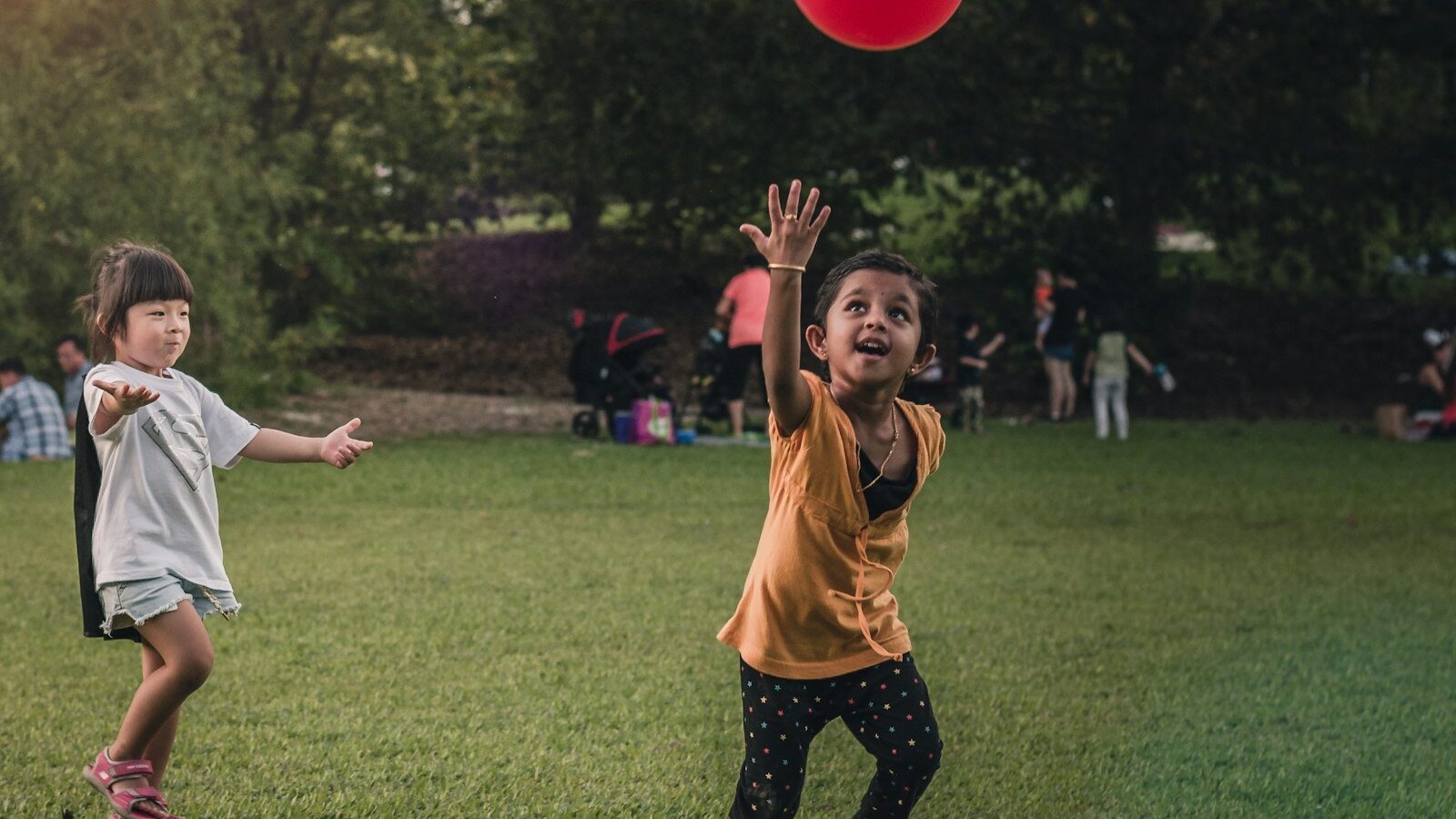
Hosting a childs playdate Singapore parents will tell you, is equal parts joy and gentle chaos. Playdates give young children a chance to build friendships, practise sharing and burn off energy, while giving you a window to connect with other parents. They can also feel a little daunting the first few times, especially in a compact HDB flat or condo unit. The good news is that a happy playdate does not need a big space or a fancy plan. With a little preparation and a relaxed attitude, you can host a get-together that the children love and you actually enjoy.
Every child and every home is different, so treat the ideas below as a flexible starting point rather than a strict checklist. The aim is warmth and fun, not perfection.
Planning the Playdate
A little forethought makes the day run far more smoothly. Start by keeping it short and simple, particularly for younger children. Ninety minutes to two hours is plenty for toddlers and preschoolers, who tire quickly and can become overwhelmed by too much stimulation. Older children can happily manage longer.
Think about numbers too. One or two friends is usually easier and calmer than a big crowd, especially for the first few playdates or for shy children. A smaller group means fewer squabbles and more genuine play.
When you invite another family, share the practical details in advance so there are no surprises:
- The start and end time
- Whether you will provide food, and any allergies to note
- Whether the parent is staying or dropping off
- What to bring, if anything
Timing matters as well. Avoid scheduling over nap time or too close to a meal, when tired or hungry children are far more likely to melt down. Mid-morning or mid-afternoon tends to work best.
If the weather allows, an outdoor option such as a nearby playground, the void deck or a park connector gives everyone room to run and reduces the pressure on your home. On a hot or rainy Singapore afternoon, indoors is perfectly fine too.
Getting Your Home Ready
You do not need to transform your flat into a play centre. A quick tidy and a few thoughtful touches are enough. Before the guests arrive, put away anything precious or breakable, and do a simple safety sweep for small objects, sharp corners and anything a curious toddler might pull down.
If your own child struggles to share certain treasured toys, let them choose one or two special items to put away before friends arrive. This small step prevents a lot of tears later and helps your child feel secure rather than territorial.
Set out a few open-ended activities that invite children to play together, such as building blocks, play dough, drawing materials, dress-up clothes or simple board games. Having two or three options ready means you can switch things up if interest fades, without scrambling.
The table below offers some easy, low-mess ideas grouped by age.
| Age group | Playdate activities that tend to work |
|---|---|
| Toddlers (1 to 3) | Blocks, stacking cups, bubbles, soft balls, simple sensory bins |
| Preschool (3 to 5) | Play dough, drawing, dress-up, picture books, pretend kitchen |
| Primary (6 to 10) | Board games, craft projects, building sets, outdoor ball games |
Snacks and Simple Food
Food is often the highlight for little guests, and it need not be elaborate. Simple, familiar snacks that are easy to eat and low on mess are ideal. Think cut fruit, plain biscuits, wholemeal sandwiches, cheese, or yoghurt, with water as the default drink.
Allergies deserve real care, so always check with the other parent beforehand. Nut allergies in particular can be serious, so when in doubt, keep the spread simple and clearly nut-free. Serving food at a table rather than on the go also reduces both mess and choking risk for younger children.
Try to resist the urge to lay on a feast. A light snack keeps energy up without overwhelming anyone, and it keeps your own workload manageable so you can relax and enjoy the visit.
Setting Gentle Ground Rules
Children play more happily when they know what is expected, so a few kind, clear rules set the tone. At the start, you might gather the little ones and remind them of the basics in simple language: we use gentle hands, we share the toys, and we tidy up together at the end.
Squabbles are completely normal, and they are not a sign that the playdate has failed. Young children are still learning to share, take turns and manage big feelings. When a disagreement flares up, stay calm and get down to their level. Acknowledge the feelings, help them name the problem, and guide them towards a solution rather than simply taking over. Often a short break or a change of activity resets the mood.
Sharing is genuinely hard for toddlers, whose brains are still developing that skill, so a timer for turns or duplicate toys can head off many battles. Praise the children warmly when you catch them sharing, waiting or being kind, since attention to good behaviour encourages more of it.
If you are hosting a drop-off playdate, agree in advance on how to reach the other parent, and never hesitate to call if a child is unwell, very upset or asking to go home.
Wrapping Up Well
End the playdate on a high note rather than waiting for everyone to become tired and fractious. A gentle warning that playtime is almost over helps children transition without a fuss, and tidying up together as a game teaches responsibility while signalling that the fun is winding down.
A short, warm goodbye is lovely, and thanking the other family for coming sets the stage for future invitations. If your child found the visit hard, or a friendship did not quite click, that is perfectly normal too; friendships take time, and not every pairing will spark.
Most of all, keep your expectations relaxed. A successful playdate is not a spotless home or flawless behaviour. It is children playing, learning and laughing, and parents sharing a cup of tea and a little solidarity. Hosting gets easier every time, so enjoy the small moments and let the rest go.
Explore more
Family Bonding Ideas at Home
Toddler Tantrums and Behaviour
Children’s Nutrition and Healthy Eating
Baby Development and Milestones