
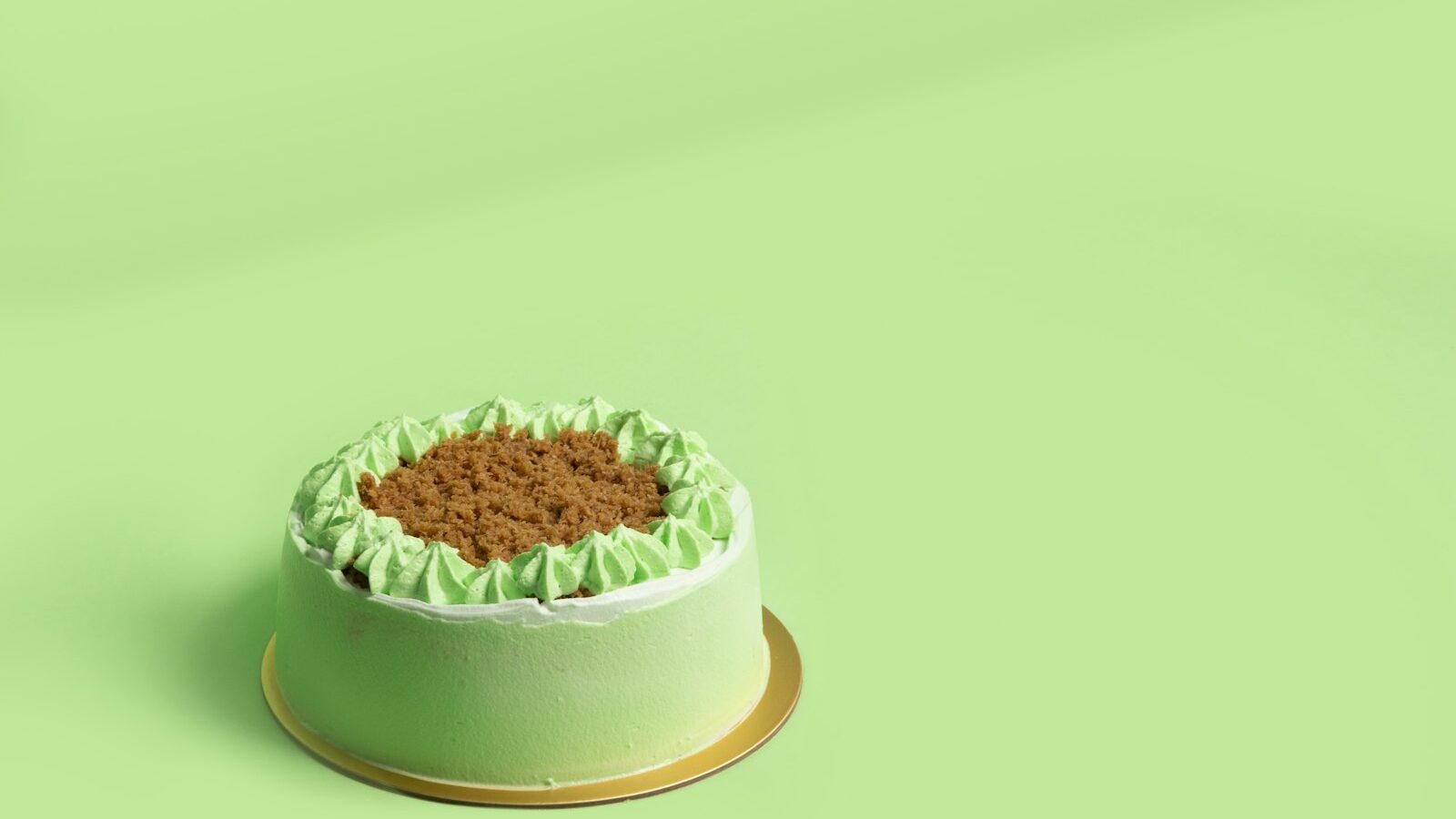
Baking a cake in Singapore from scratch is one of the most satisfying wins in home cooking, and it is far easier than a boxed mix makes you believe. A classic butter cake needs only a handful of everyday ingredients and one clear technique. Master it and you have a base for birthdays, tea-time, and last-minute guests, all made in a single tin in your HDB kitchen. Best of all, a scratch cake tastes distinctly better than anything from a packet, with real butter and vanilla you can smell across the flat.
This guide focuses on a foolproof butter cake, the friendliest starting point. We will cover the ingredients, the creaming method that gives a light crumb, how to fold without deflating, and the doneness cues that tell you exactly when to pull it out, even in a small or uneven oven.
The Simple Ingredients Behind a Good Cake
A basic butter cake rests on four main players, usually in roughly equal weights, which is why this style is sometimes called a pound cake in spirit:
- Butter, softened to room temperature so it creams properly. In our heat this happens fast, so take it out shortly before you bake and do not let it turn greasy or melt.
- Sugar, usually caster or fine sugar, which dissolves easily and helps trap air during creaming.
- Eggs, at room temperature so they blend smoothly without curdling the batter.
- Plain flour, sifted with a little baking powder for lift, plus a pinch of salt to round out the sweetness.
A splash of vanilla and a spoonful of milk loosen the batter and add flavour. That is the whole list. Everything sits together on the supermarket baking shelf, and a wet-market run can get you fresher eggs if you prefer.
The Creaming Method, Step by Step
Creaming is the heart of a light butter cake, so take your time here.
- Beat the softened butter and sugar together until the mixture turns pale and fluffy. This can take several minutes and is worth every second, because you are whipping in tiny air bubbles that give the cake its rise. A hand mixer makes this easier, but a sturdy whisk and patience also work.
- Add the eggs one at a time, beating well after each. Adding them slowly stops the batter from splitting. If it does look curdled, a spoonful of the flour brings it back.
- Sift in the flour, baking powder and salt, then fold gently with a spatula. Stop as soon as no dry streaks remain. Overmixing here develops gluten and gives a tough, tunnelled cake.
- Fold in the vanilla and just enough milk to reach a soft, droppable batter.
Spoon the batter into a lined tin, level the top, and give the tin a gentle tap on the counter to release large bubbles.
Baking in a Small or Uneven Oven
This is where many Singapore home bakers stumble, because compact ovens and countertop models often run hot and bake unevenly. Preheat fully before the cake goes in, and set the rack in the middle so the top does not scorch under a fierce upper element.
If your oven browns one side faster, rotate the tin halfway through. Should the top colour too quickly while the centre is still wet, tent it loosely with foil and carry on baking. Resist opening the door in the early stages, as the rush of cool air can make a rising cake sink. An inexpensive oven thermometer is the best money a home baker spends, because it reveals the true temperature and ends the guesswork.
Different tins and ovens change the timing, so rely on cues rather than a fixed number of minutes. The cake is done when the top springs back to a light touch, the edges just pull away from the tin, and a skewer pushed into the centre comes out clean or with a few dry crumbs.
Comparing Cake Styles for Beginners
Once you can make a butter cake, small tweaks give you a whole repertoire. This table shows how popular options compare.
| Cake style | Difficulty | Texture | Good to know |
|---|---|---|---|
| Butter cake | Easy | Rich, tender crumb | The foolproof starting point |
| Sponge cake | Moderate | Light and airy | Relies on whipped eggs, less forgiving |
| Chiffon cake | Moderate | Very soft and fluffy | Popular locally, needs a tube tin and care |
| Chocolate cake | Easy | Moist and dense | Add cocoa to the butter-cake base |
| Pound cake | Easy | Dense and buttery | Keeps well, great for slicing |
Stick with the butter cake until it is second nature, then branch into chocolate or a local-style chiffon when you feel ready.
Cooling, Frosting and Storing in the Heat
Let the cake rest in the tin for about ten minutes, then turn it out onto a rack to cool completely. Cooling on a rack lets steam escape so the base does not turn soggy, which matters in our humid air. Never frost a warm cake, or the icing will slide straight off and melt.
A plain butter cake needs nothing more than a dusting of icing sugar, which keeps it simple and stable in the heat. If you want buttercream or a cream frosting, remember our climate: cream-based toppings should be kept in the fridge, and a frosted cake left on the counter in the afternoon will soften and weep. Store an unfrosted cake in an airtight container at room temperature for a couple of days, or freeze slices wrapped well and thaw as needed. If anything smells off or shows mould, throw it out.
Where to Buy Ingredients and Tins
Everything for a from-scratch cake is easy to find. Supermarkets carry flour, sugar, butter, eggs, baking powder and vanilla in one aisle, and often stock basic round and loaf tins nearby. Baking-supply and kitchenware shops, common near wet markets and in older malls, offer a wider range of tins, springform pans, and paper liners at fair prices, along with larger flour bags if you bake often. Buy a 20cm round tin or a loaf tin to start; you do not need a cupboard of shapes.
Your first cake might be a little flat, a touch dry, or unevenly browned, and that is exactly how everyone begins. Cream your butter and sugar properly, fold gently, learn your oven’s quirks, and trust the doneness cues. Bake it a few times and this simple cake becomes the reliable one you make without even glancing at a recipe.
Explore more
If baking is brand new to you, ground yourself first with our baking basics for complete beginners. For an even quicker win, try easy cookies to bake at home, and when you are ready for a savoury challenge, learn baking bread at home. To give your cake a local twist, explore baking with pandan and gula melaka flavours.