
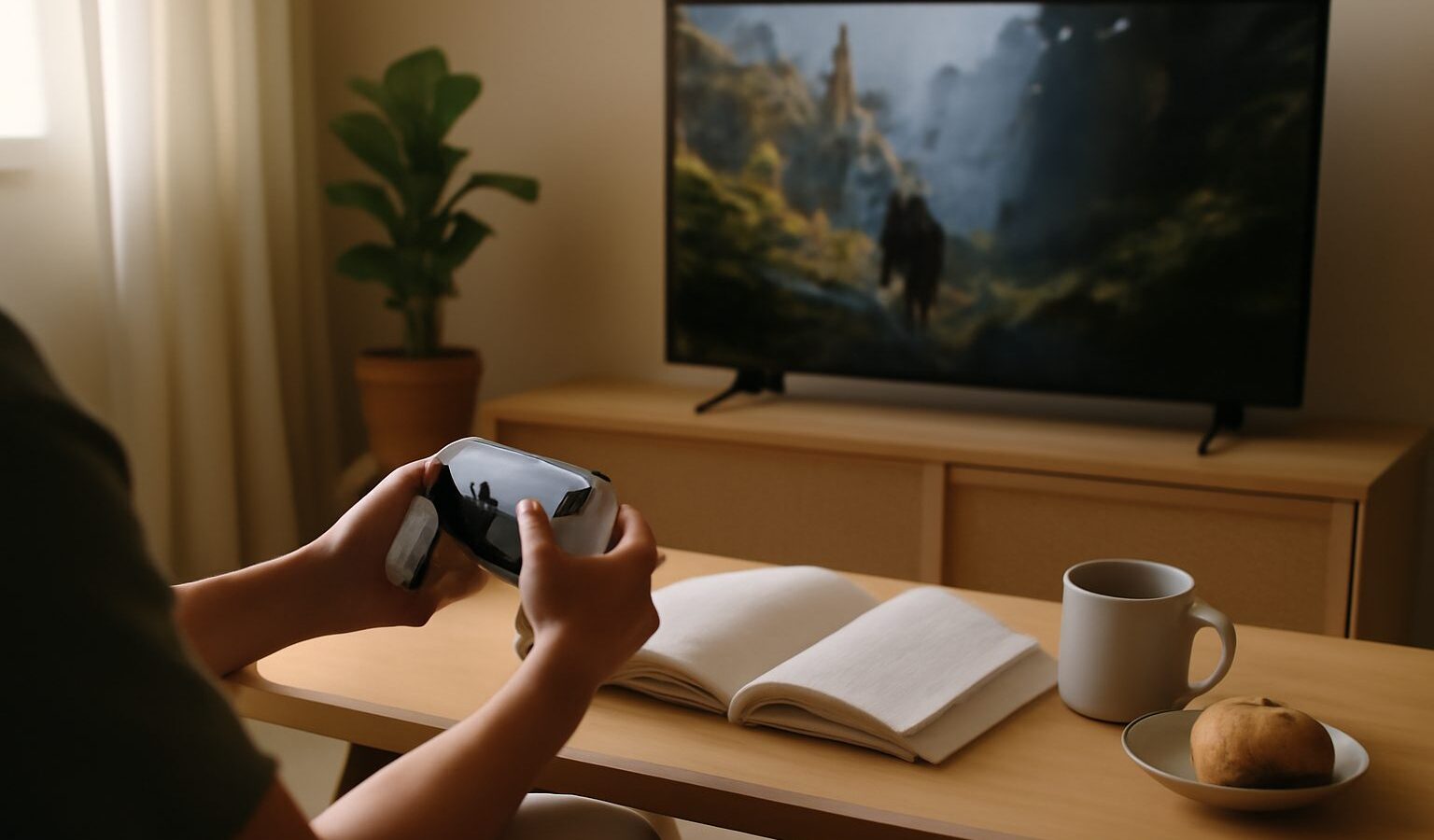
If your gaming backlog has quietly grown into a wall of unplayed titles, you are far from alone. Cheap sales, free giveaways and the fear of missing out have turned many libraries into monuments of good intentions. The pile can start to feel like homework, which is the opposite of why we play. The good news is that a backlog is a curation problem, not a moral failing, and a few simple habits can turn that stack from a source of guilt into a menu of things you actually want to play.

Reframe What a Backlog Is
A backlog is not a to-do list. Nobody is grading you on completion. It is a collection of possibilities, and possibilities are only valuable if they bring you joy or interest. Once you accept that you will never play everything, and that you do not need to, the pressure lifts immediately. The goal is not to reach zero. The goal is to spend your limited gaming time on the things that genuinely reward it.
Time is the real constraint, not money. A game you paid a few dollars for during a sale owes you nothing further. Sunk cost is a trap. Whether you finish it should depend on whether it is worth your evenings now, not on what it cost you months ago.
Curate Before You Play
The first move is to sort the pile, not to grind through it in purchase order. Most backlogs are bloated with titles you added on impulse and would never actively choose today. A quick, honest audit shrinks the problem dramatically.
- Be ruthless about interest. If a game no longer excites you at all, mentally retire it. Removing it from the running is not failure; it is focus.
- Group by mood and length. A cosy short adventure and a hundred-hour strategy game serve different evenings. Knowing what fits your energy helps you actually start something.
- Flag a small shortlist. Pick three or four titles you are genuinely keen on right now. A short list feels inviting, while an endless one feels like a chore.
- Ignore hype pressure. You do not have to play a game just because it was popular. Your enjoyment is the only metric that counts.
Curating your library well is a skill in itself, and it pays off every time you sit down to play and know exactly what to reach for.
Decide: Finish or Drop
Guilt often comes from half-finished games hanging over you. The cure is a clear rule for when to push on and when to let go. Not every game deserves to be finished, and dropping one you have stopped enjoying is a perfectly good outcome.
| Situation | Lean towards finishing | Lean towards dropping |
|---|---|---|
| Your feeling now | Still curious what happens next | Playing out of obligation |
| Time to complete | Reasonable for your schedule | A grind with no payoff in sight |
| Enjoyment trend | Getting better as it goes | Steadily becoming a chore |
| The story or hook | You care about the ending | You have lost the thread entirely |
| Opportunity cost | Nothing better waiting | A shortlist game you would prefer |
Give a game a fair chance to click, perhaps a couple of sessions, then trust your own verdict. Dropping something frees you to enjoy what is next, which is the whole point.
Schedule Play Like It Matters
Ironically, the way to make gaming feel less like a chore is to treat your time with a little intention. Not rigid scheduling, but enough structure that you actually get to the games you care about instead of defaulting to the same familiar comfort pick every night.
- Protect a regular slot. Even a couple of evenings a week, set aside for your shortlist, keeps momentum without pressure.
- Play one main game at a time. Juggling five at once means finishing none. Focus on one story-driven title, with a lighter game on the side for short sessions.
- Match the game to the time you have. Save the long, involved sessions for when you are fresh. Keep bite-sized games for tired evenings.
- Let yourself replay favourites. Beating the backlog does not mean banning the games you love. Comfort gaming is valid and restful.
Structure here is a servant, not a master. The moment a schedule starts feeling like an obligation, loosen it.
Slow the Backlog at the Source
The fastest way to shrink a backlog is to stop feeding it so aggressively. A great deal is only a deal if you actually play the game, and most impulse buys during a sale go straight onto the pile untouched. A little restraint at the point of purchase saves you the guilt later.
- Buy what you will play next, not someday. If you have no clear slot to play it, wait. It will likely be on sale again, and often cheaper.
- Finish before you buy more. A simple rule of clearing one game before adding another keeps the pile from spiralling.
- Wishlist instead of buying. Parking a tempting title on a wishlist gives the urge somewhere to go without adding to the backlog.
- Ignore fear of missing out. There will always be more good games than time. Missing one is not a loss; it is just a choice.
None of this means never buying on a whim. It means being honest that a cheap game you never touch cost you nothing but shelf space, and that a full-price game you love this month was the better deal all along.
Play Guilt-Free
The most important habit is the mindset. Games are meant to be a pleasure, and a backlog is only a burden if you let it become one. Delete the games you will never touch without a second thought. Finish the ones that grip you. Drop the ones that do not. Replay old favourites whenever you like. None of this needs justifying to anyone.
Your gaming backlog will probably always exist in some form, and that is fine. Treat it as a well-stocked pantry rather than a debt to be repaid. Curate it, be honest about finishing or dropping, give your best titles real time, and let go of the guilt entirely. Play the games you love, skip the ones you do not, and let your library work for you instead of weighing on you.
Explore more: Organising Your Game Library · Indie Games Worth Playing · How to Improve at Competitive Games