
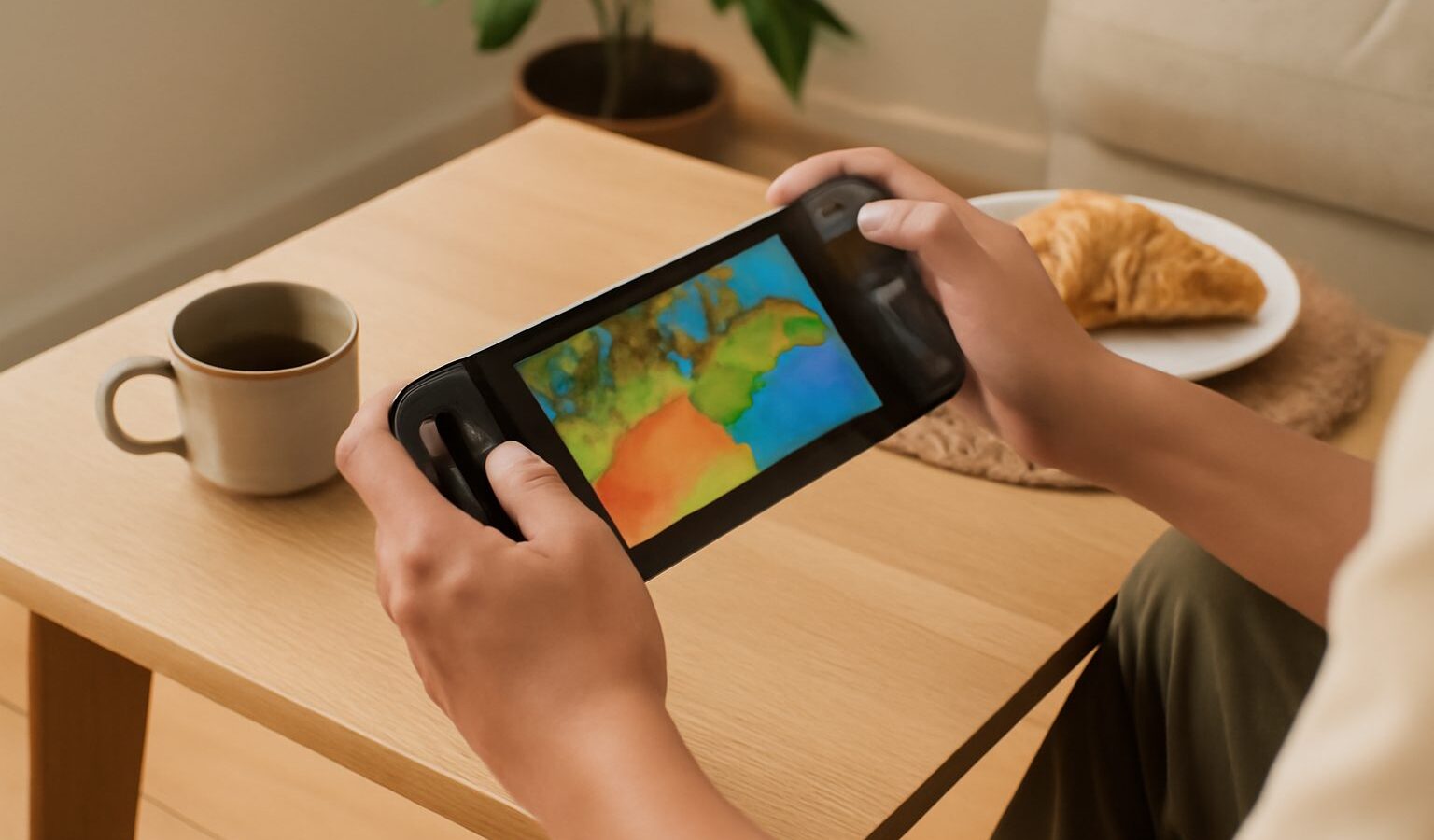
Some of the most memorable gaming moments do not come from huge, expensive blockbusters at all. They come from indie games: titles made by small, independent teams, sometimes just one or two people working from a bedroom. Free from the pressure to please millions, these developers take creative risks, and the result is a rich variety of games full of heart, charm and fresh ideas.
If you have only ever noticed the big-budget releases on shop shelves, this guide will open a door. Whether you are a curious newcomer, a parent looking for wholesome games for the family, or an experienced player wanting something different, we will explain what indie games are, why they are worth your time, and the main types to explore, all without breaking the bank.
What “Indie” Actually Means
“Indie” is short for independent. It describes games made without the backing of a large publisher, usually by a small studio or even a solo developer. Because the team is small and self-funded, they answer mostly to themselves, which gives them the freedom to try unusual ideas that a big company might consider too risky.
This independence shapes what the games feel like. Indie titles are often more personal, more experimental and more focused on a single strong idea than on ticking every box. They may have simpler graphics, but they make up for it with clever design, memorable music, striking art styles and stories that stay with you.
It helps to think of indie not as a genre but as a spirit. You can find indie shooters, indie puzzles, indie role-playing games and much more. What they share is a hand-made, heartfelt quality rather than any single type of gameplay.
Why Indie Games Are Worth Your Time
There are plenty of good reasons to give independent games a chance, whatever your age or experience.
- Value for money: Indie games are usually far cheaper than big releases, and they frequently appear in digital sales, so you can try several for the price of one blockbuster.
- Fresh, original ideas: Because the developers take creative risks, you will find concepts you simply do not see elsewhere.
- Bite-sized or slow-burn: Many indies respect your time with shorter, complete experiences, ideal for a quick session on the MRT or a relaxed evening at home.
- Wholesome and family-friendly options: A large share of indie games are gentle and welcoming, which makes them a good fit for younger players or for gaming together as a family.
- Supporting creators: Buying an indie game often means directly supporting a small team, sometimes even fellow Singaporeans, since there is a growing local development scene.
You do not need a powerful machine either. Plenty of indie games run happily on a modest laptop, an older console or a phone, though you should always check current system requirements and prices before buying, as these change often.
The Main Types Of Indie Games To Explore
Rather than listing specific titles, it is more useful to know the styles that indie developers return to again and again. Recognising these types makes it far easier to find something you will enjoy.
- Cosy and relaxing games: Farming, decorating, cooking or running a small shop at a gentle pace, with little or no pressure. Perfect for unwinding.
- Story-rich narrative games: Emotional, character-driven experiences that feel like playing through a novel or a short film.
- Pixel-art adventures and platformers: Charming retro-style visuals paired with tight jumping, exploration and secrets to uncover.
- Puzzle games: Clever brain teasers built around one smart idea, often surprisingly deep and satisfying.
- Roguelikes: Games where levels are randomised and you start over when you fail, learning a little more each run. Great for short, replayable bursts.
- Creative and sandbox games: Open-ended spaces for building, crafting and experimenting however you like.
- Cooperative party games: Light, funny games designed to be played with a friend or family member on the couch.
Most indie games sit comfortably in one of these buckets, and many blend two or three together. Use the styles as signposts to whatever mood you are in.
Matching An Indie Game To Your Mood
With so much variety on offer, the easiest way to choose is to start from how you feel and how much time you have. The quick guide below points you towards a suitable type.
| If you want to… | Try this type | What to expect |
|---|---|---|
| Relax and switch off | Cosy or creative game | Gentle pace, no pressure, easy to pause |
| Be moved by a good story | Story-rich narrative game | Strong characters, emotion, a clear ending |
| Fill short pockets of time | Puzzle or roguelike | Quick sessions, replayable, easy to resume |
| Play with family or a friend | Cooperative party game | Teamwork, laughter, shared couch fun |
| Feel nostalgic | Pixel-art adventure | Retro charm, exploration, hidden secrets |
Keep an eye on age classifications for younger players, which in Singapore follow IMDA guidance, and set parental controls where appropriate. Being cheaper does not always mean gentler, so a quick check still matters.
How To Find Great Indie Games
Because thousands of indie games are released every year, a little know-how helps you find the gems.
- Watch the digital sales: The major online stores on PC, console and mobile run frequent discounts, and indies are often heavily reduced.
- Read the store page carefully: Screenshots, the description and a short trailer usually tell you the type and pace within a minute.
- Follow curators and honest reviews: Look for reviewers whose taste matches yours rather than chasing scores alone.
- Try demos and free versions: Many indies offer a demo, so you can sample the feel before spending a cent.
- Ask your community: Friends, local gaming groups, LAN shops and conventions such as the GameStart-style events in Singapore are great places to discover titles by word of mouth.
Do not overlook home-grown talent, either. Singapore has a small but lively independent development scene, and supporting local creators can be a rewarding part of the hobby.
Small Games, Big Rewards
Indie games prove that budget and scale are not what make a game special. What matters is a clear idea, made with care. By understanding the main types, matching them to your mood and shopping smartly during sales, you can build a wonderful, varied library for very little money. Start with one style that appeals to you, keep an open mind, and you may be surprised how often the smallest games leave the biggest impression.