
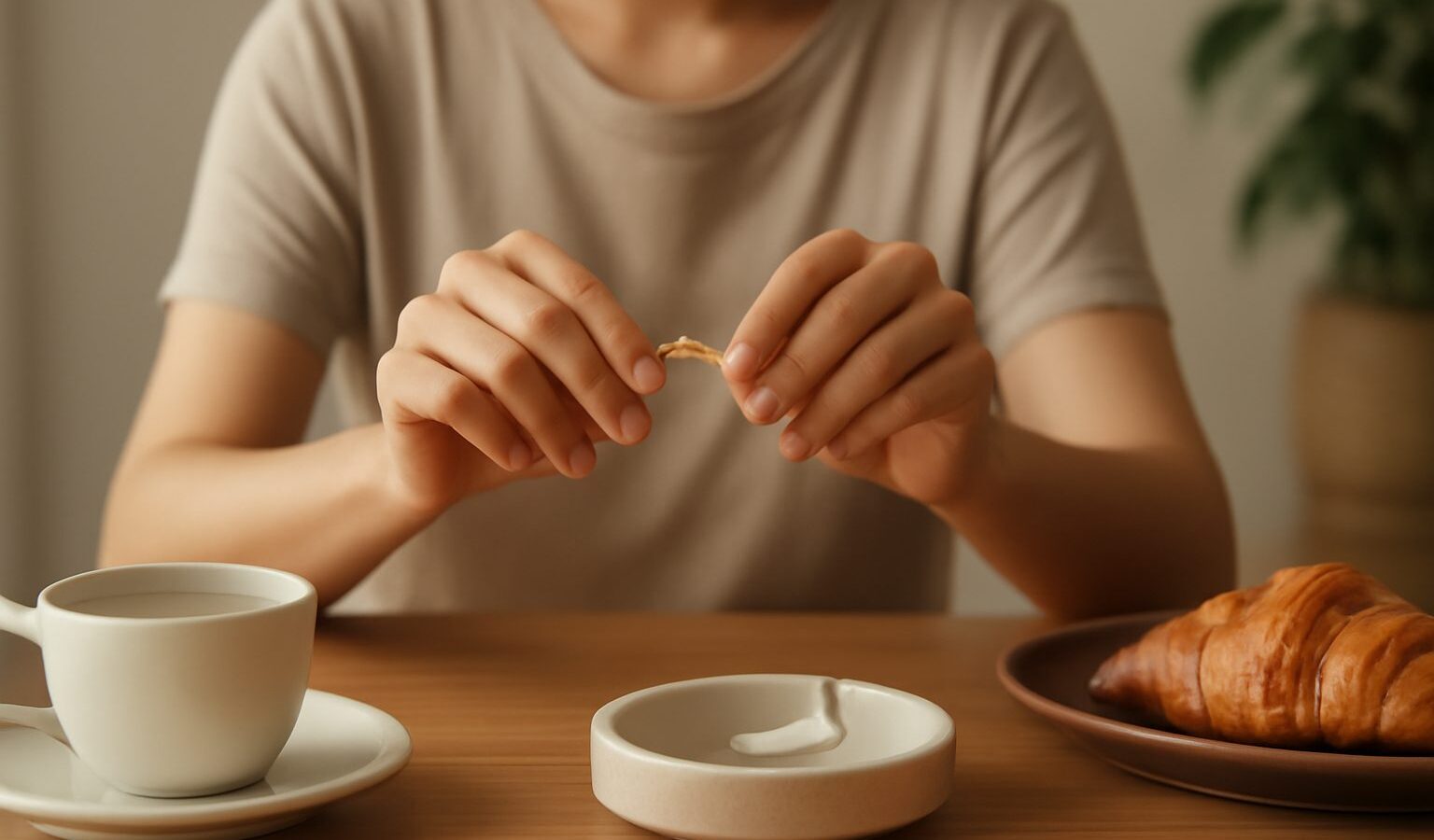
Almost everyone carries a habit they wish they could shake. Maybe it is doom-scrolling until 1am, reaching for bubble tea every afternoon, biting your nails in meetings, or checking work email the moment you wake. You promise yourself you will stop, manage for a few days, then slip straight back. Breaking bad habits feels frustrating precisely because the behaviour is automatic; by the time you notice it, you are already halfway through it.
The good news is that habits follow patterns you can learn to interrupt. You do not need iron discipline or a dramatic life change. You need to understand how the habit works and then quietly rewire it, step by step, in a way that fits the pace of everyday Singapore life.
Understand the Loop Behind the Habit
Every habit runs on a simple loop: a cue triggers a routine, which delivers a reward. The cue is whatever sets it off, the routine is the behaviour itself, and the reward is the payoff your brain remembers. Late-night scrolling might be cued by getting into bed, the routine is picking up your phone, and the reward is a hit of distraction that delays a stressful tomorrow.
The reason bad habits are so sticky is that the reward is real, even when the habit harms you. That afternoon bubble tea genuinely gives you a sugar lift and a small break from work. If you try to simply remove the habit, you leave the cue and the craving in place with nothing to fill the gap, which is why willpower alone rarely holds.
So the first task is not to quit. It is to observe. For a few days, notice when the habit fires, where you are, how you feel, and what you were doing just before. You are gathering clues about the cue and the reward, and those clues are what make change possible.
Find the Real Trigger
Most bad habits are anchored to one of a few common triggers: a time of day, a place, an emotional state, other people, or an action that comes just before. Pinpointing yours is half the battle.
Ask yourself a few honest questions when the urge strikes:
- What time is it, and where am I right now?
- What was I doing in the minute before this?
- How am I feeling, whether bored, stressed, tired or lonely?
- Who am I with, or am I alone?
You will often find a clear pattern. Perhaps you reach for your phone whenever a task feels difficult, or you snack whenever you feel stressed rather than hungry. Once you can name the trigger, you can plan for it in advance instead of being ambushed by it. A habit you can predict is a habit you can change.
Replace, Do Not Just Remove
The most reliable route to breaking bad habits is replacement. Keep the cue, keep chasing a reward, but swap the routine in the middle for something better. This satisfies the underlying craving without the harm, which is far easier to sustain than leaving an empty gap.
Think about what the habit really gives you, then find a healthier way to get something similar:
- If afternoon bubble tea is really a break, take a short walk around the office block or make a cup of tea instead.
- If late-night scrolling is really about winding down, read a few pages of a book or do some light stretching in bed.
- If stress-snacking is really about relief, keep a bottle of water nearby and step outside for two minutes of fresh air.
The table below shows the difference between fighting a habit head-on and working with the loop instead.
| Situation | The willpower-only approach | The replacement approach |
|---|---|---|
| Phone at bedtime | Tell yourself to just stop scrolling | Charge the phone in another room, keep a book by the bed |
| Afternoon sugar craving | Resist the bubble tea by force of will | Take a short walk, then have water or plain tea |
| Stress-snacking at work | Feel guilty and try to ignore hunger | Pause, breathe, and drink water before deciding |
| Checking email on waking | Promise not to look at your phone | Leave the phone across the room and stretch first |
Make the Bad Habit Harder
Alongside replacement, you can reshape your environment so the bad habit takes more effort while the better choice becomes easier. Small amounts of friction add up, because habits thrive on convenience.
If you scroll too much, log out of the apps or move them off your home screen so each use takes a deliberate tap or two. If you overspend on impulse buys, remove your saved card details so you have to fetch your wallet. If snacks are the problem, simply not buying them means the craving passes before you can act on it, since the biscuits are not in the flat to begin with. Every extra step you place between yourself and the habit gives your slower, wiser self a chance to step in.
Expect Slips and Keep Going
Here is the part most advice skips: you will slip, and that is not failure. Breaking bad habits is a process of trial and adjustment, not a single clean break. One lapse does not erase your progress, but the story you tell yourself afterwards matters enormously. Deciding “I have ruined it, so I may as well give up” turns one slip into a full relapse.
Instead, treat a slip as information. What was the trigger you missed? Were you especially tired, stressed or rushed? Adjust your plan and carry on the next day. Aim for progress, not perfection, and remember that cutting a habit down is a genuine win even if you have not eliminated it entirely.
Be patient with the timeline too. A habit built over years will not vanish in a weekend, and the craving may resurface for a while even after the routine changes. Keep going and it fades.
When a Habit Is More Than a Habit
Some behaviours go beyond ordinary bad habits and start to affect your health, work, relationships or finances in serious ways. If a habit feels genuinely out of your control, or if it is tied to persistent low mood, anxiety or distress, please treat that as a signal to reach out rather than struggle alone.
This guide offers general self-improvement information, not medical or therapy advice. In Singapore you can speak to your doctor, or contact the Samaritans of Singapore (SOS) on 1767, the national mental health helpline on 1771, or visit mindline.sg for support. In an emergency, call 995. Asking for help is a strength, and it is often the most practical step of all.
Explore more
Changing a habit works best alongside good systems for building new ones. See how to build habits that actually stick so a better routine takes the place of the old one, and use a simple habit tracker to stay honest about your progress. If you slip and lose momentum, our guide on getting back on track after falling off will help you restart without the guilt.