
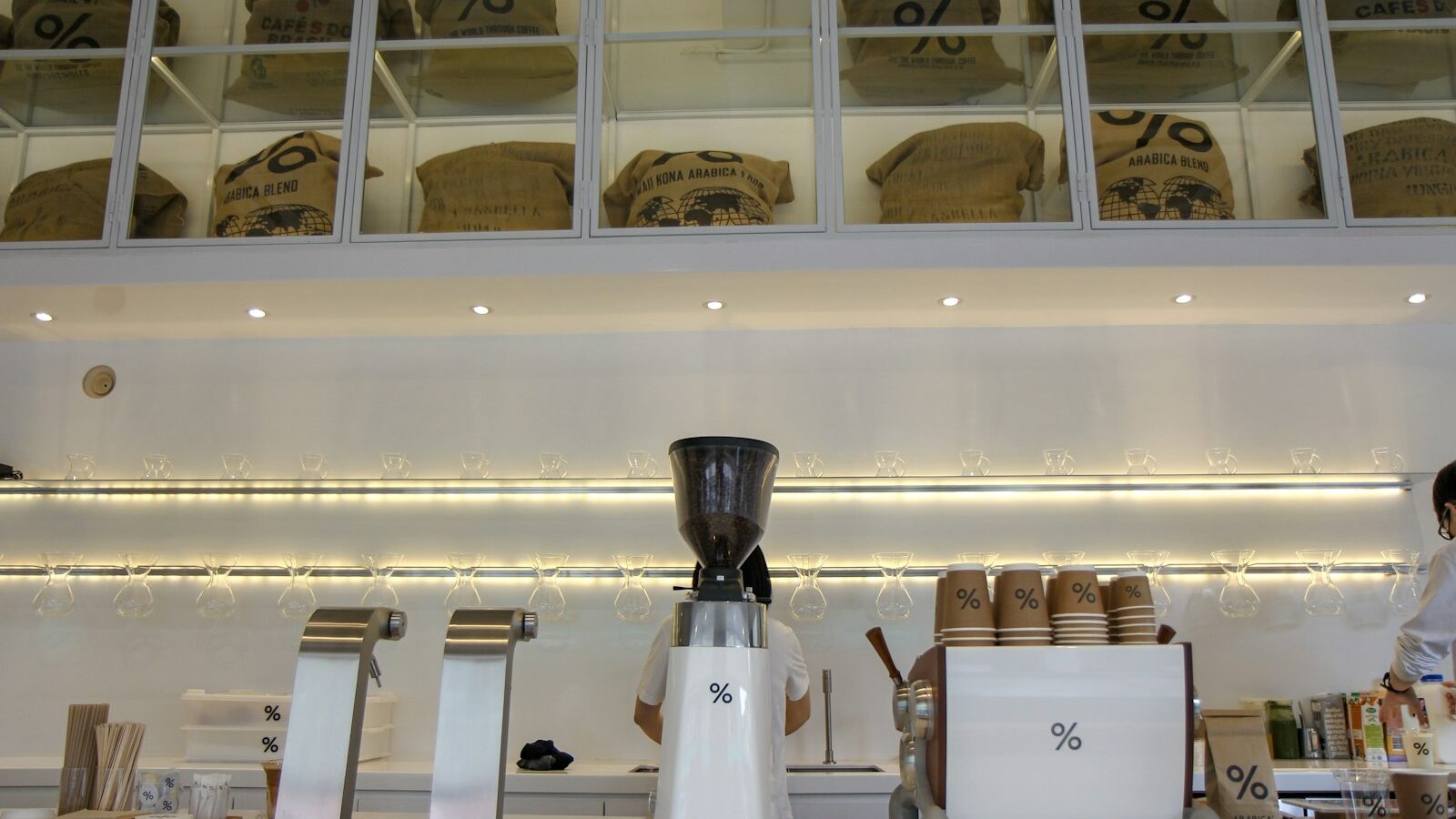
Plenty of us buy a nice bag of beans, brew a cup that tastes flat or bitter, and quietly go back to the cafe. Good news: home coffee brewing in Singapore does not need a fancy machine or barista training. A few small habits around grind, ratio and water make the difference between a sad brown drink and a cup you actually look forward to. This guide keeps things practical for a small HDB kitchen, whether you have a pour over, a French press, or just a mug and a bit of patience. First tries are rarely perfect, so treat each cup as a tweak, not a test.
Start With Beans and a Sensible Grind
Freshness is where most home coffee falls down. Ground coffee loses its aroma quickly, and in our heat and humidity it goes stale even faster once the bag is open. If you can, buy whole beans and grind them just before brewing. A small hand grinder is cheap, quiet enough for early mornings, and gives you far more control than pre-ground packs. If you only have pre-ground, buy smaller bags and use them within a couple of weeks.
Grind size is the lever people ignore. Too fine and the water struggles through, pulling out harsh, bitter notes. Too coarse and the water rushes past, leaving a thin, sour cup. As a rough guide, a pour over likes a medium grind similar to table salt, a French press likes something coarser like coarse sea salt, and a moka pot wants finer. You do not need to be exact. If the cup is bitter, go coarser next time; if it is weak and sour, go finer.
Match the Method to Your Kitchen
You do not need every gadget. Pick one method, learn it well, and you will beat most cafe takeaways on value. Here is how the common home options compare so you can choose what fits your counter space and mornings.
| Method | Best for | Grind | Rough effort |
|---|---|---|---|
| Pour over (dripper) | Clean, bright cups and control | Medium | A few minutes, hands on |
| French press | Full body, fuss free, batches | Coarse | Easy, mostly waiting |
| Moka pot | Strong, espresso style on the hob | Fine | Watch the heat closely |
| Immersion soak | Cheapest start, no gear | Medium coarse | Slow but forgiving |
A pour over kit and a kettle live happily on a narrow HDB counter and pack away small. A French press is the most forgiving if mornings are chaotic, since you steep and plunge with little skill needed. A moka pot suits gas and induction hobs and delivers a strong, milky-coffee base, though it can turn bitter if you walk away and let it boil hard.
Dial In Ratio, Water and Temperature
Once your grind is close, the ratio does the heavy lifting. A reliable starting point is around 60g of coffee to a litre of water, which works out to roughly one heaped tablespoon of grounds per 200ml cup. Weigh it with a kitchen scale if you have one, since scooping by eye drifts over time. If the cup is too strong, add a splash of hot water at the end rather than under-dosing the brew.
Water quality matters more than people expect, because a cup of coffee is mostly water. Singapore tap water is perfectly fine to drink, though a simple filter jug can soften any chlorine note and make a subtle difference. Temperature is the other quiet factor. Boiling water straight off the kettle can scorch the grounds and add bitterness, so let it sit for around 30 seconds to a minute after the boil, aiming for just off the boil rather than furious. For a pour over, wet the grounds first and let them bubble and swell for about 30 seconds, then pour slowly in circles. This “bloom” step releases trapped gas and gives a smoother, sweeter cup.
Fix the Usual Home-Brew Problems
Most bad cups come down to a handful of causes, and each has a simple fix. If your coffee tastes harsh and drying, it is likely over-extracted, so coarsen the grind, shorten the brew, or cool the water slightly. If it tastes thin, sharp or sour, it is under-extracted, so go finer, brew a touch longer, or use a little more coffee. A dusty, muddy cup usually means the grind is too fine for the method or you are stirring too aggressively. A weak, watery cup almost always means not enough coffee for the water, not a broken machine.
Keep a few habits and your cups get steadier. Rinse a paper filter with hot water before brewing to wash away any papery taste and warm the vessel. Give a French press a gentle stir after the grounds bloom, then leave it alone until you plunge. Pour a pour over in slow, steady circles rather than dumping all the water at once, since even saturation is what keeps the extraction balanced. Clean your gear properly too, because old coffee oils turn rancid fast in our climate and taint every future cup.
Store Beans Well and Shop Smart
Beans are the ingredient most sensitive to our weather. Heat, light, air and moisture all age them, so keep them in an airtight, opaque container in a cool cupboard away from the hob and the window. Skip the fridge, since the door opening lets in humid air that condenses on cold beans, and skip the freezer unless you portion into sealed bags for the long haul. Buy in amounts you will finish within two to four weeks rather than a giant bargain bag that goes stale before the halfway mark.
In Singapore you have easy options. Supermarkets carry whole-bean and ground coffee, local roasters sell fresh bags with a roast date on them, and kitchenware shops stock affordable drippers, presses and hand grinders. A roast date is worth looking for; beans are usually at their best from a few days to a few weeks after roasting. Start with a medium roast, which is the most forgiving while you find your feet, then branch out once you know what you like. The whole point is a better cup on your own counter, made your way, without joining a queue.
Explore more
Once your coffee is dialled in, keep exploring the home drinks rabbit hole. Try our guide to making kopi and teh at home for that local kopitiam flavour, learn how to brew tea properly for the days you want something lighter, and if you have a sweet tooth, see how to make bubble tea at home without the queue.