
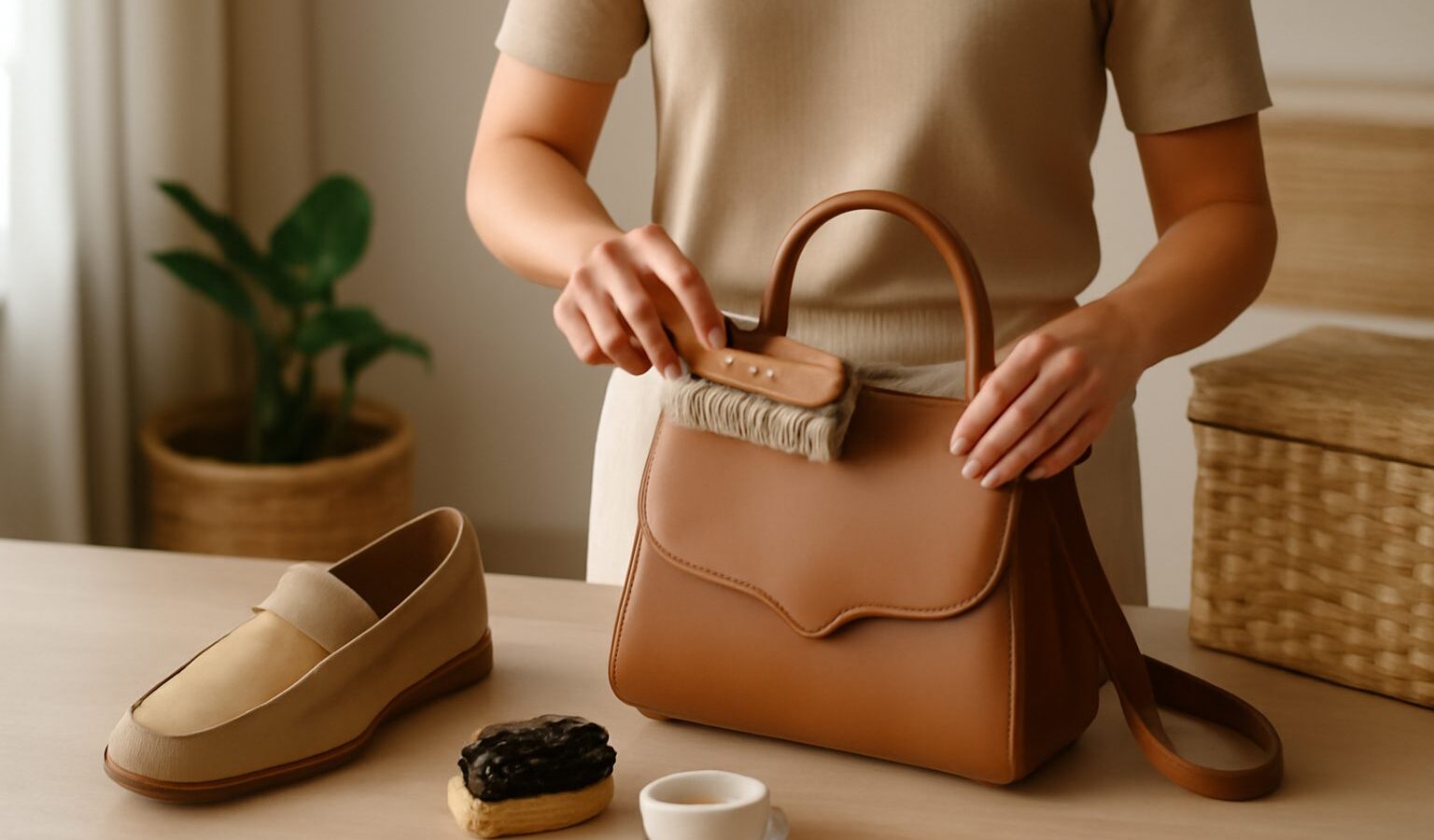
Few things sting like pulling out a favourite leather bag or pair of shoes to find them speckled with mould. Our warm, humid air is tough on shoes and bags, especially when they live in a closed cupboard. The reassuring part is that caring for shoes and bags in Singapore mostly comes down to keeping them clean, dry, and well aired, using things you already have at home. This guide covers cleaning leather and fabric, preventing mould in humid cupboards, and storing your pieces so they last for years.
Understand What Humidity Does
Mould needs three things to grow: warmth, moisture, and a food source. Leather, fabric, and the residue of sweat and dirt provide all three, and a shut cupboard supplies the still, damp air. That is why shoes worn in the rain, or a bag put away with a bit of moisture on it, so often come out spotted after a few weeks.
The whole strategy follows from this. Keep items clean so mould has nothing to feed on, keep them dry before storing, and keep air moving where you store them. Get those three right and most problems simply never start. React quickly to the first sign of a musty smell or a grey bloom, because mould spreads.
Clean and Protect Leather
Leather is durable but it does not like being soaked, scrubbed hard, or left dirty. A gentle, regular wipe does far more good than an occasional deep clean.
- Wipe leather shoes and bags with a soft, slightly damp cloth to lift dust and sweat, then dry with a clean cloth.
- Let them air dry naturally, away from direct sun or a heater, since strong heat cracks and fades leather.
- Condition leather occasionally with a suitable leather conditioner to keep it supple, following the product’s directions and testing a hidden spot first.
- For smooth leather, a gentle buff brings back shine. For suede, use a dedicated suede brush and never a wet cloth.
- Deal with rain quickly. Blot off water, stuff shoes with paper to hold their shape, and let them dry slowly at room temperature.
Avoid harsh household cleaners on leather, as they strip the finish. When in doubt, less is more, and always patch-test any product on an unseen area before using it all over.
Clean Fabric and Canvas Items
Fabric shoes and bags are more forgiving, but they hold sweat and dirt that feed mould, so they need regular attention too.
- Brush off loose dirt first, then spot-clean stains with a little mild soap and water on a cloth or soft brush.
- Work gently and do not soak the item, as too much water can leave marks and take days to dry in our climate.
- Rinse the soap away with a damp cloth and let the item air dry fully with good airflow, ideally near a fan.
- Check the care label before cleaning. Some canvas shoes tolerate a gentle wash, while structured or embellished bags should only be spot-cleaned.
- Remove insoles and loosen laces so shoes dry inside as well as out.
For stubborn marks, our guide on removing common stains from clothes has techniques that carry over to many fabric items. The golden rule is to dry fabric completely before storing, since a slightly damp shoe in a cupboard is a mould factory.
Stop Mould in Humid Cupboards
This is the part that matters most in Singapore. Storage decides whether your pieces survive the humidity, so treat the cupboard itself as part of the care routine.
| Problem | What causes it | Simple fix |
|---|---|---|
| Mould spots on leather | Damp air, dirty surface | Clean, dry fully, add absorbers, improve airflow |
| Musty smell in bags | Trapped moisture inside | Air out, insert silica gel, store loosely |
| Sticky or peeling coating | Age and humidity breakdown | Keep cool and dry, use gently, air often |
| Warped or creased shape | Stored empty or squashed | Stuff with paper, store upright with space |
Build these habits into your storage:
- Place reusable moisture absorbers or silica gel packs inside shoes, inside bags, and around the cupboard, and refresh them when they fill up.
- Do not cram items together. Leave space so air can circulate.
- Open the cupboard doors regularly, especially on sunny days, and run a fan or dehumidifier in a stubbornly damp room.
- Store leather bags in breathable dust bags, never sealed plastic, which traps moisture.
- Keep a silica gel or two inside each bag and shoe even when they are in use at home.
If you find mould, act at once. Take the item to a well ventilated spot, wipe the affected area with a cloth lightly dampened with a mild solution, let it dry fully, then treat and air the cupboard before returning anything. For a valuable or delicate leather item with stubborn mould, a professional leather cleaner or cobbler is worth the cost.
Store Shoes and Bags to Keep Their Shape
Good storage protects both the material and the form. A little effort here keeps pieces looking new far longer.
- Stuff bags with tissue paper or a small cushion so they hold their shape and do not crease or collapse.
- Store handbags upright, standing side by side with a bit of space, rather than stacked and squashed.
- Keep shoes off the floor on a rack or shelf so air reaches them from below.
- Rotate what you wear and carry. Giving shoes a day or two to fully dry out between wears prevents damp and odour building up inside.
- Use shoe trees or lightly stuffed paper to hold the shape of leather shoes and absorb interior moisture.
Clean everything before putting it into longer-term storage, since dirt and sweat left on the surface will slowly damage the material and attract mould.
Build a Simple Routine
You do not need a big project, just small regular habits. Give worn shoes and bags a quick wipe before they go away, let them air and dry fully rather than shutting them straight into a cupboard, and check your moisture absorbers every few weeks. Once a month, open up your storage, air everything out, and look for early signs of damp. During your pre Chinese New Year spring clean, do a fuller review, condition your leather, and set aside anything beyond saving.
Treat your shoes and bags a little kindly and our humidity stops being a threat. Clean, dry, and airy is the whole secret, and it keeps your favourites by your side for years.
Explore more
Caring for your things at home works best alongside good fabric habits. Pick up cleaning techniques in how to remove common stains from clothes, learn gentle handling in caring for delicate fabrics at home, and keep the rest of your storage fresh with folding and storing clothes to save space.