
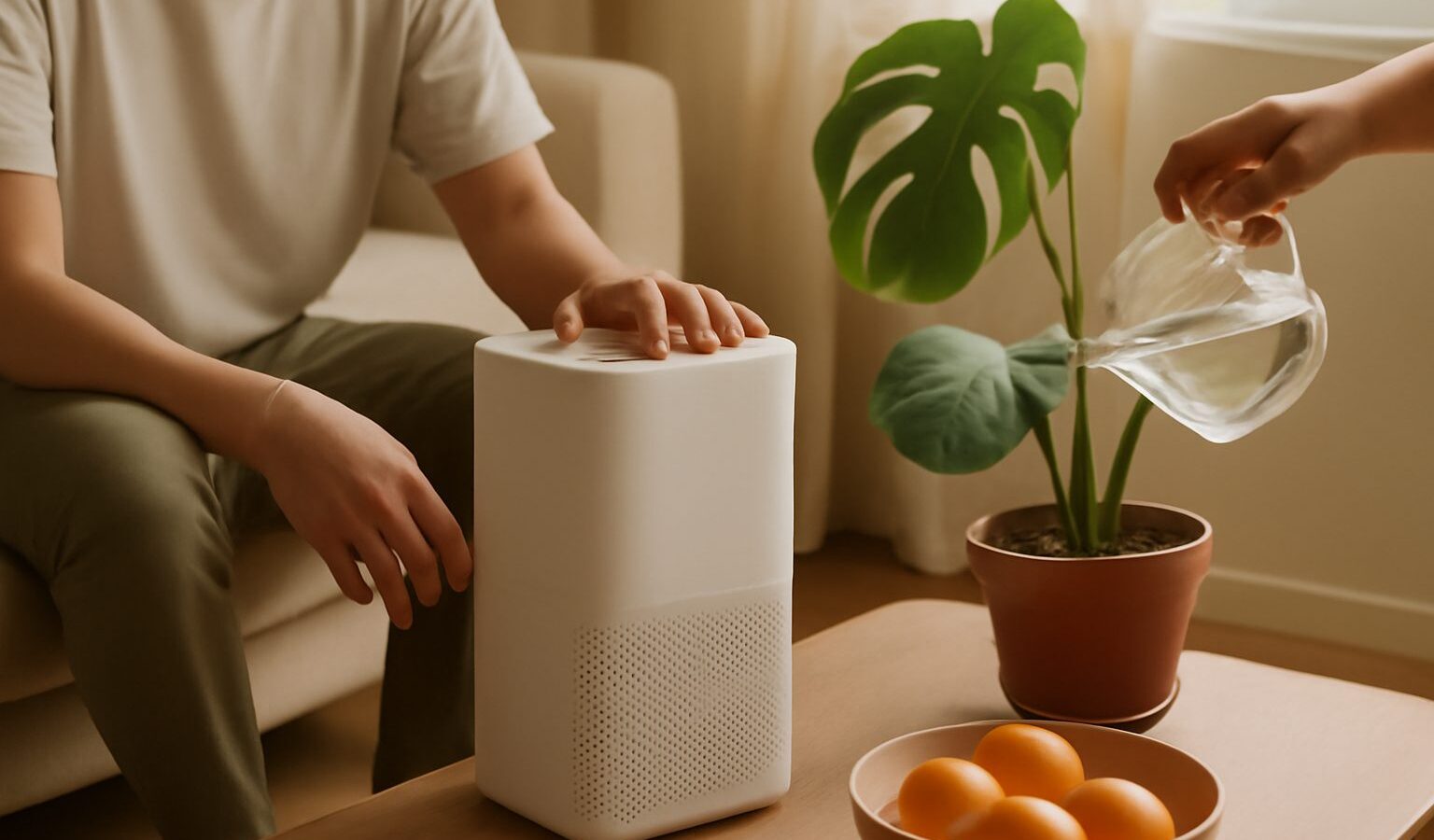
We spend most of our day indoors, so the air inside our flats and condos matters just as much as the air outside. Good indoor air quality in Singapore is not about fancy gadgets, it is about a few steady habits that clear out dust, manage our high humidity, and keep stale air moving. This guide walks through simple, doable ways to make the air at home feel fresher and lighter, without turning your place into a laboratory.
Our climate shapes everything here. Warmth and moisture encourage mould, dust mites and musty smells, while closed-up, air-conditioned rooms can trap the very things we want to clear. The good news is that small changes add up quickly, and most of them cost nothing at all.
Let Fresh Air Move Through Your Home
Ventilation is the single most powerful thing you can do, and it is free. Air that never moves grows stale, collects moisture and holds on to cooking smells and dust. Moving air carries all of that away.
Simple ways to keep air flowing:
- Open windows on opposite sides of the home for a short while each day to create a cross breeze, ideally in the cooler morning or evening.
- Run the kitchen exhaust or hood while cooking, and keep it going for a few minutes after, so grease and smoke do not settle into the rest of the home.
- Switch on the bathroom fan or open the window after a shower to let steam escape rather than linger.
- Use a standing or ceiling fan to keep air circulating in rooms you use often, even when the windows are shut.
If you rely heavily on air-conditioning, give the home a proper airing whenever you can. Sealed rooms feel cool but the same air just recirculates, so a daily flush of fresh air makes a real difference to how the space feels and smells.
Keep Humidity and Mould in Check
Our humidity is the root of many air problems at home. Damp air feels heavy, encourages that musty smell, and gives mould and dust mites the moisture they love. Keeping things drier is one of the best moves you can make.
Practical humidity habits:
- Wipe down surfaces that get wet, such as bathroom walls, window frames and the area behind the kitchen sink, so moisture does not sit and breed mould.
- Deal with any damp patch or dark spot early. A little mild cleaning solution and a good scrub stops small spots before they spread, and better ventilation keeps them from returning.
- Do not let damp laundry sit indoors longer than needed, as slow-drying clothes release moisture into the room. Dry outside or in a well-ventilated spot where you can.
- Keep wardrobes and enclosed corners from getting stuffy. A little airflow, and moisture-absorbing sachets in cupboards, help keep clothes and shoes from turning musty.
If a room stays stubbornly damp, a dehumidifier can help pull moisture out of the air, which makes the space more comfortable and less friendly to mould and mites. Always fix the source of any serious or recurring damp, since air fixes alone will not solve a genuine leak.
Cut Down Dust and Everyday Pollutants
Dust is more than an eyesore. It carries dust mites, dead skin and fine particles that float in the air every time you disturb a surface. Keeping it under control lightens the load on the air you breathe.
A gentle routine keeps dust down:
- Vacuum floors, rugs and soft furniture regularly, ideally with a machine that traps fine dust rather than blowing it back out.
- Wipe surfaces with a slightly damp cloth instead of a dry duster, so you lift dust away rather than send it airborne.
- Wash bedding, pillowcases and soft covers often in warm water, since our beds are a favourite home for dust mites.
- Take off outdoor shoes at the door to keep street dust and grime from spreading across the floors.
Be mindful of what you add to the air too. Strong sprays, heavy scented products and smoke all linger in enclosed rooms. Choose gentler options where you can, and always ventilate when using any strong cleaning product. Never mix cleaning chemicals, as combining bleach with other products can release harmful fumes.
Handling Haze Days and When to Use a Purifier
During haze season, the advice flips. When outdoor air is poor, keeping windows closed is the safer choice. Follow the official air quality readings and health advice from NEA, and adjust what you do at home to match the guidance on any given day.
On haze days:
- Keep windows and doors shut to limit how much outdoor haze drifts in.
- Run the air-conditioner if you have one, which helps keep indoor air more comfortable while windows stay closed.
- An air purifier with a suitable filter can help reduce fine particles indoors, which is worth considering if anyone at home is more sensitive to poor air.
- Once the haze clears and readings improve, return to airing the home normally.
Here is a simple way to think about which approach suits which situation.
| Situation | Windows | Extra help |
|---|---|---|
| Normal day | Open for fresh air daily | Fans to keep air moving |
| Humid, stuffy room | Open when you can | Dehumidifier, better airflow |
| Cooking or after shower | Vent to outside | Exhaust fan or hood |
| Haze day | Keep closed | Air-conditioner, purifier |
| Dusty, allergy-prone home | Open, then clean | Regular vacuuming, damp wiping |
An air purifier is a useful helper, not a cure. It works best in a room where the windows are closed, and it does not replace the basics of ventilation, cleaning and humidity control. Think of it as one tool among several rather than the whole answer.
A Few Plants and Simple Finishing Touches
Houseplants will not transform your air on their own, but a few easy, low-maintenance plants add greenery, a sense of calm and a touch of freshness to a room. Choose hardy varieties that cope well with our climate and indoor light, and do not overwater them, since soggy soil adds moisture and can attract pests. A couple of well-placed plants near a window are plenty.
Beyond that, the finishing touches are small. Keep the home generally tidy so dust has fewer places to gather, service and clean your air-conditioner filters as recommended so they are not blowing dust around, and open the curtains to let light and air reach into the room. None of this is dramatic, and that is the point. Fresh indoor air comes from steady, gentle habits rather than one big effort.
This guide is general home-comfort advice, not medical guidance. If anyone at home has ongoing breathing concerns or reacts strongly to dust or haze, speak to a doctor, and always defer to NEA for the latest haze and air quality advice.
Explore more
Fresh air and a fresh scent go hand in hand, so pair this with our guide on how to make your home smell fresh naturally. Good airflow also helps you sleep, which we cover in how to create a restful bedroom for better sleep, and letting in daylight helps too, as explained in how to bring more natural light into your home.