
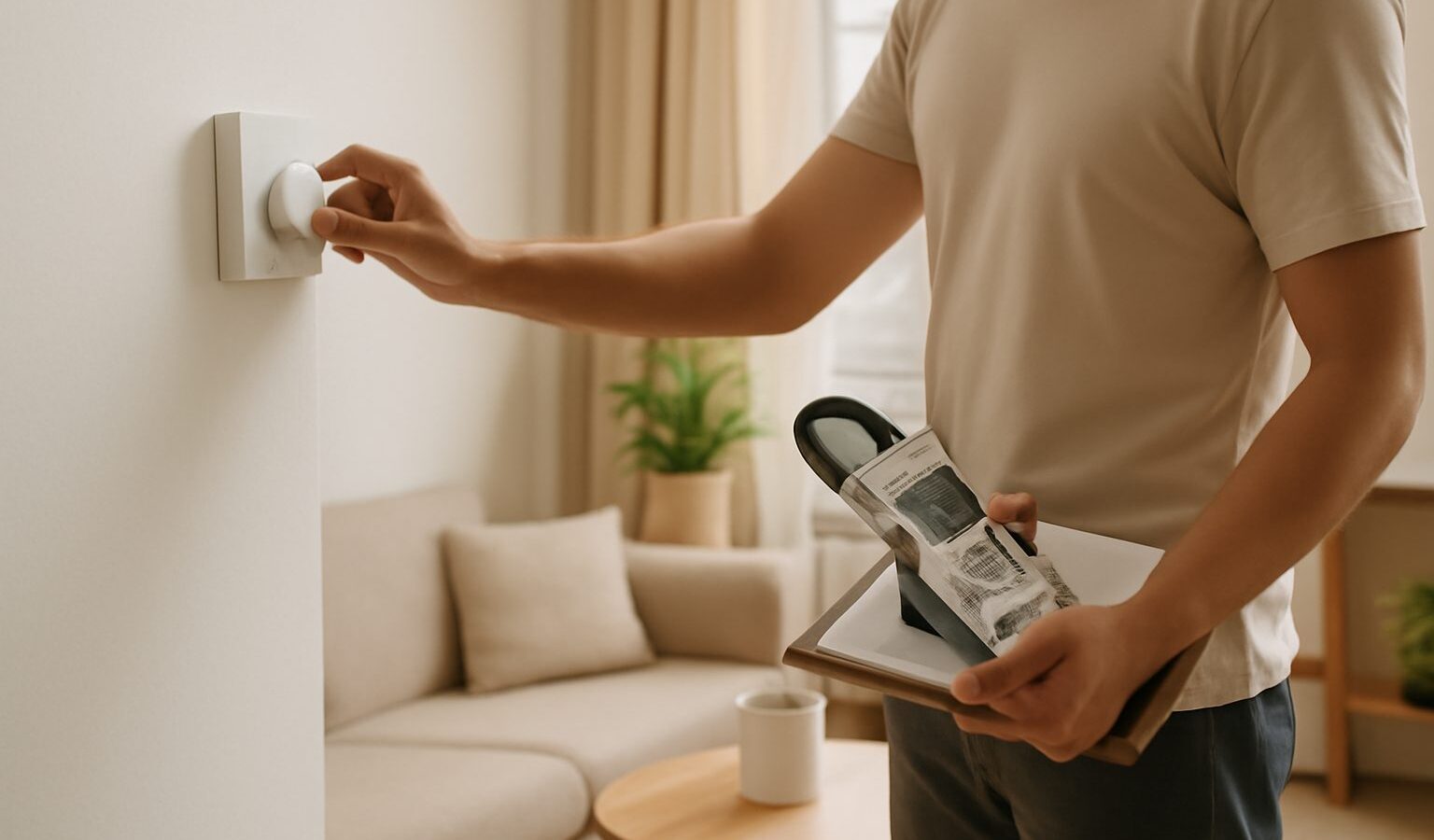
You do not need a clipboard, a meter reader, or an expensive consultant to understand where your electricity goes. A home energy audit Singapore households can do themselves is really just a slow, curious walk around your own flat, room by room, asking one honest question in each corner: is this using power it does not need to? In our climate, with the aircon humming and appliances left on all day, small leaks add up quietly. This guide shows you how to spot them, what to prioritise, and where to look up the real figures so you are never guessing.
A quick note before we start. This is a DIY walkthrough to help you notice habits and set-ups worth changing. For the actual numbers on how much energy your home uses, defer to your electricity retailer’s app or bill and to the Energy Market Authority (EMA), rather than to any figure invented here.
What a Simple Home Energy Audit Actually Is
Think of an audit as a habit check rather than a science project. The goal is to walk through your home the way a slightly nosy friend might, noticing what is switched on, what is left on standby, and what is working harder than it should. You are building a mental map of where your electricity goes so you can make a few targeted changes instead of vague resolutions.
Pick a quiet hour when you can move through the whole flat without rushing. Bring your phone to jot notes, and if you like, take photos of power points and appliance labels so you can look things up later. You are not aiming for perfection. You are aiming to find the two or three things that matter most, then act on those.
It helps to know roughly which appliances tend to draw the most in a typical Singapore home. Cooling, water heating, the fridge, laundry, and anything that heats or runs constantly usually sit near the top. Keep that rough order in mind as you walk, so you spend your attention where it counts rather than fretting over a phone charger.
Walking Through Your Home Room by Room
Start at your front door and move through the flat in a loop so you do not miss a space. In each room, look at three things: what is on, what is on standby, and whether the room itself is making appliances work harder.
In the living room, notice the television, set-top box, router, gaming consoles, and speakers. Many sit in standby all day, sipping power for no benefit. Check whether the curtains and blinds are letting in harsh afternoon sun that pushes the aircon or fan to work harder.
In bedrooms, look at the aircon first. Note the temperature it is usually set to, whether the filter looks dusty, and whether doors and windows are sealing the cool air in. Chargers, bedside lamps, and standby devices add up here too.
In the kitchen, the fridge is the one appliance that runs every hour of every day, so its condition matters. Check that it is not jammed against a hot wall, that the door seal is snug, and that it is not set colder than it needs to be. Note the kettle, rice cooker, microwave, and any second fridge.
In bathrooms and the service yard, look at the water heater and the washing machine. A storage water heater left on around the clock, or hot washes done by habit, are common quiet drains. In the study or work corner, tally the monitors, printers, and desktop set-ups that stay powered up.
As you go, keep a simple running list under three headings:
- Left on for no reason: lights, fans, or screens in empty rooms.
- Standby vampires: devices warm or blinking when not in use.
- Working too hard: aircon in a sun-baked room, a fridge near the oven, a dusty filter.
Reading Your Bill and Meter for Real Numbers
Your walkthrough tells you where power might be leaking. Your bill and meter tell you how much, and this is where you should trust official data over any rule of thumb. Open your electricity retailer’s app or your paper bill and look at your monthly consumption in kilowatt hours (kWh). Compare a few recent months. A steady creep upward, or a sharp jump, is worth investigating against what changed in your home.
The Energy Market Authority (EMA) publishes guidance on electricity in Singapore and how the market works, and it is the right place to understand tariffs and your options. If you want to see your usage in finer detail, check whether your meter or retailer offers interval or smart meter data, which can show you when in the day you use the most. Because rules, plans, and figures change, always confirm the current details with EMA and your own retailer rather than relying on numbers from an article.
If your bill feels high and you cannot explain it from your walkthrough, that is a signal to look closer at your biggest draws, cooling and water heating especially, rather than assuming the meter is wrong.
Turning Findings Into a Simple Action Plan
Once you have your list, sort it by effort and impact so you are not overwhelmed. The table below is a way to organise what you found into quick wins, small projects, and things worth planning for. Fill in your own rooms and habits as you go.
| Priority | Typical finding | Sensible next step |
|---|---|---|
| Quick win, no cost | Lights and fans left on, devices on standby | Switch off at the wall, use power strips |
| Small effort | Aircon set very cold, dusty filters, sunny rooms | Nudge the temperature up, clean filters, draw blinds |
| Small spend | Old bulbs, ageing power strips | Swap to LED, use switched strips |
| Plan ahead | Very old fridge or water heater running non-stop | Budget for an efficient replacement, check the label |
Tackle the top row first, because it costs nothing and builds momentum. When you shop for replacements later, look for the mandatory energy label so you can compare efficiency at a glance, and check current details with the retailer. Celebrate the small wins as you go. No home is perfectly efficient, and the point is steady progress, not a spotless scorecard.
Making the Audit a Habit, Not a One-Off
An audit is most useful when you repeat it. Try a quick version every few months, and a fuller walk once or twice a year, perhaps when you change electricity plans or after a big bill. Set a reminder on your phone so it does not slip.
Involve the whole household. When everyone understands why the aircon temperature crept up or why the power strip gets switched off at night, the habits actually stick. Children often enjoy being the ones to hunt for standby lights. Over a year, these small, repeated checks quietly support both your wallet and Singapore’s wider goals under the Green Plan, without anyone having to become a fanatic about it.
Explore more
Once you have found your biggest drains, dig into the specifics with our guides on how to read and cut your electricity bill and tackling standby power and energy vampires. For the two rooms that usually matter most, see setting your aircon for efficiency and cutting your water heater energy use.