
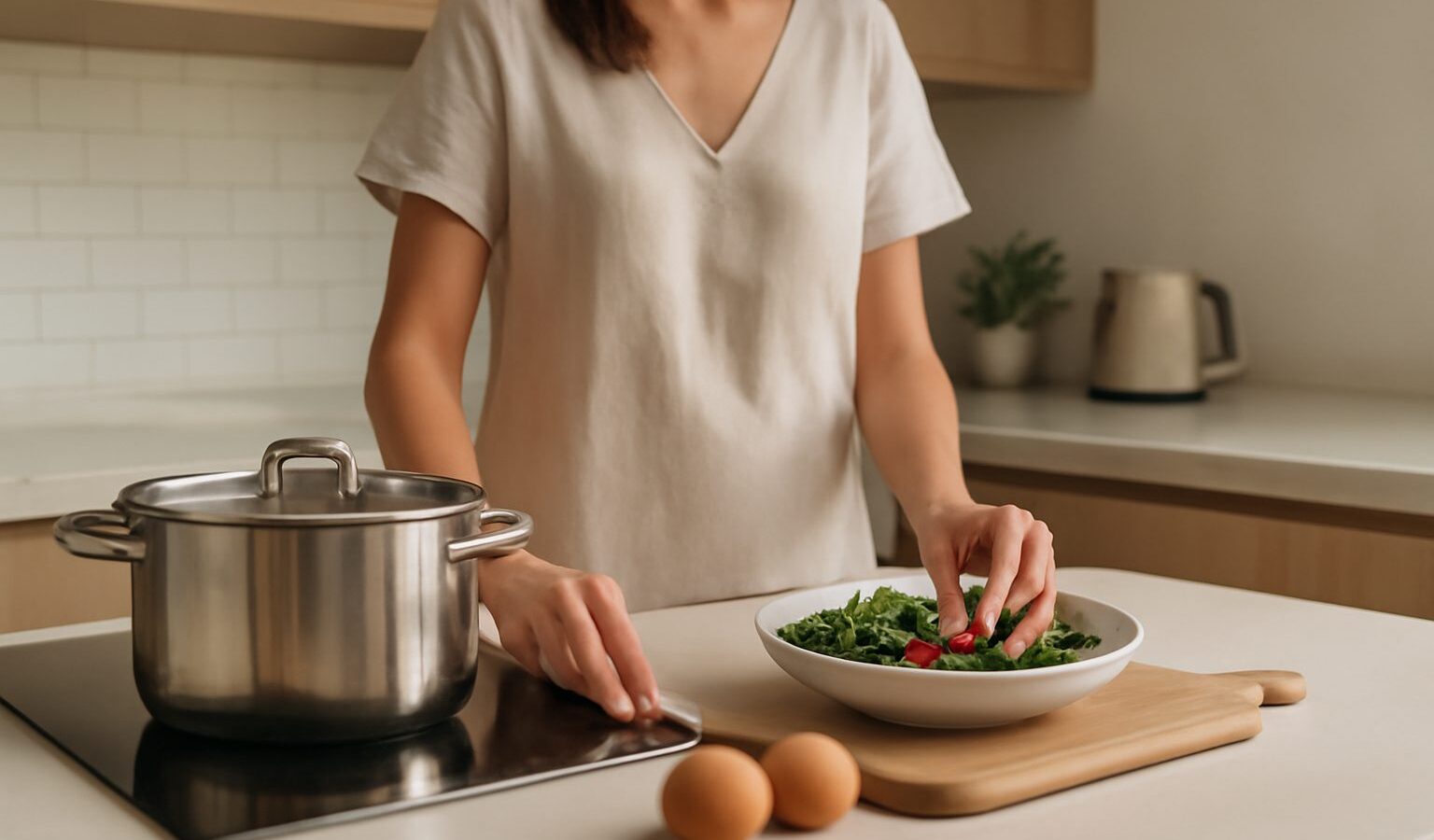
The kitchen is one of the busiest, warmest corners of any Singapore home, and it quietly draws power all day long. Between the fridge that never switches off, the hob at dinnertime, and the kettle that gets boiled far too often, small habits add up. Kitchen energy saving in Singapore is not about cooking less or giving up the dishes you love. It is about doing the same cooking with less waste, which trims your bill and keeps your flat a little cooler in our heat. Here is a practical, no-guilt guide for HDB and condo kitchens.
Where Your Kitchen Energy Really Goes
Two appliances do most of the quiet work: the refrigerator, which runs every hour of every day, and whatever you use to cook and boil water. The fridge matters because it never stops, so even small inefficiencies repeat thousands of times a month. Cooking matters because heat is expensive to make, and a lot of it escapes into the room instead of into your food.
In our climate there is a bonus effect. Every bit of heat your appliances throw off makes the kitchen warmer, which nudges the fan or aircon to work harder. So saving energy at the stove often saves a second round of energy on cooling. Once you see the kitchen this way, the useful changes become obvious, and most of them are free.
Cook Smarter on the Hob and in the Oven
The biggest cooking savings come from matching your heat to the job. A few habits make a real difference:
- Put a lid on pots and pans. Trapped heat means food cooks faster and the hob works less.
- Match the pot to the burner and the burner to the pot. A small pan on a big flame wastes heat around the sides.
- Use only as much water as you need to boil. Filling a pot to the brim for a little pasta just heats water you tip away.
- Turn off the hob a minute early and let residual heat finish the job, especially on electric and induction surfaces.
- Prep ingredients before you switch anything on, so nothing sits idle and hot while you chop.
If you are choosing a new hob, induction is generally the most efficient option because it heats the pan directly rather than the air around it, and it keeps the kitchen cooler as a bonus. Ovens are the hungriest appliance in most kitchens, so skip long preheats for simple bakes, avoid opening the door and losing heat, and cook several things at once while it is hot. For small portions, a microwave, air fryer, or rice cooker usually beats firing up a full oven.
Batch Cooking and Reheating Without Waste
Cooking in batches is one of the easiest wins, and it suits busy Singapore schedules. Making a bigger pot of curry, soup, or rice uses barely more energy than a single serving, then portions out into several meals. Reheating a stored portion in the microwave costs far less than cooking from scratch each night.
A few pointers keep batch cooking safe and efficient. Cool food reasonably quickly, then refrigerate or freeze it in flat, labelled containers so it chills and thaws faster. Defrost in the fridge overnight rather than blasting frozen blocks with power the next day. Reheat only the portion you plan to eat so nothing gets warmed twice. This is general food-handling guidance, so when in doubt about storage times, follow the advice on packaging or a trusted food-safety source.
Boiling water deserves a special mention because the kettle is a repeat offender. Fill it with only the cups you need, descale it now and then so it heats efficiently, and resist the reboil habit. A flask keeps hot water ready for the next cup without powering up again.
Keep the Fridge and Appliances Efficient
Your fridge rewards a little attention. Set it to a sensible temperature rather than the coldest possible, since colder than needed just burns power. Keep the door seals clean and springy so cold air stays in, and give the coils at the back room to breathe instead of pushing the unit flush against a hot wall. A fridge that is comfortably full holds its temperature well, but an overstuffed one blocks airflow, so aim for a happy middle.
Everyday habits help too:
- Let hot leftovers cool a bit before they go in, so the fridge does not fight a heat wave.
- Decide what you want before opening the door, rather than standing there with it open.
- Defrost the freezer if ice builds up, because a thick frost layer makes it work harder.
- Switch off and unplug the oven, kettle, and other gadgets at the wall when not in use to stop standby draw.
When you replace any kitchen appliance, let the label decide. EMA and NEA run the energy labelling scheme, so compare the energy tick rating on fridges and other regulated appliances before you compare brands. Check the current EMA guidance for the latest details, and remember a more efficient model usually costs less across its lifetime even if it costs a bit more upfront.
A Quick Comparison of Cooking Methods
Different tools suit different meals, and the greenest choice is usually the smallest one that gets the job done. Use this as a rough guide, not a rulebook.
| Appliance | Energy use | Kitchen heat | Best for |
|---|---|---|---|
| Induction hob | Low to medium | Low | Everyday cooking |
| Microwave | Low | Very low | Reheating, small portions |
| Air fryer | Low to medium | Low | Small crispy dishes |
| Full-size oven | High | High | Big bakes and roasts |
The theme running through all of it is simple: use the right-sized tool, keep the heat where you want it, and avoid running appliances longer than you need. None of this asks you to be a perfect eco-cook. Pick one or two habits, like lids on pots and a right-sized kettle, and let them become second nature. Small kitchen changes, repeated daily, quietly add up to real savings.
Explore more
The kitchen is just one room worth greening. For more everyday wins, see our guide to doing laundry the eco-friendly way and our tips on tackling standby power and energy vampires. When you are ready to find your home’s biggest energy leaks, try a simple home energy audit next.