
Few home crops are as rewarding as your own chilli, ready to snip straight into the wok. The good news is that growing chilli in Singapore is genuinely beginner-friendly, because chilli loves exactly what we have in abundance: heat, humidity and long hours of strong sun. Unlike gardeners in cooler countries who must nurse seedlings through a short summer, we can grow chilli all year, and a healthy plant will keep giving for a long time.
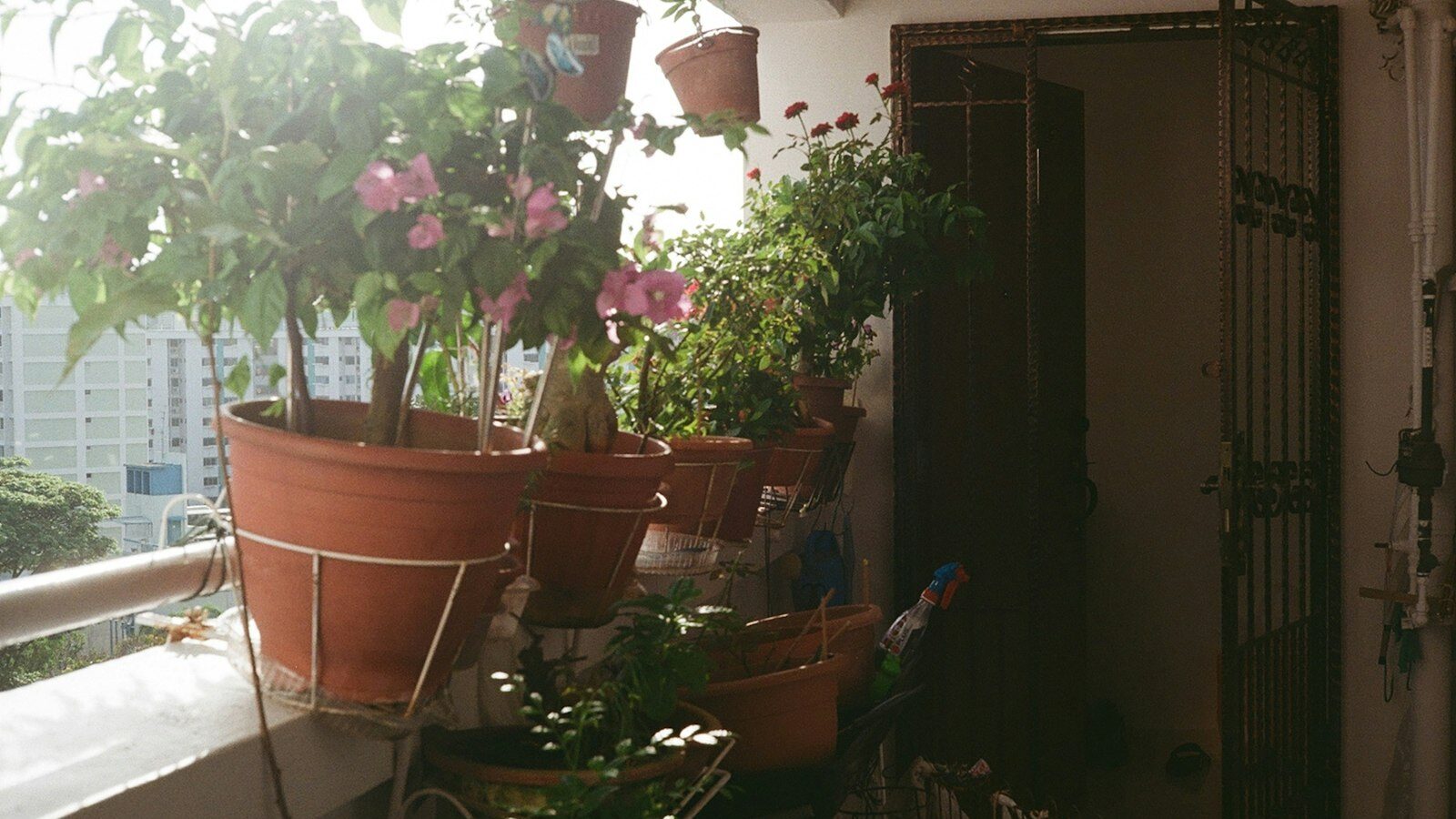
You do not need a garden. A single large pot on a sunny balcony, corridor ledge or windowsill is plenty. Start with one plant, learn its habits, and you will soon have more chilli padi than you know what to do with.
Choosing a Chilli to Grow
The first choice is which chilli suits your cooking and your space. Small, fiery types like chilli padi are compact and perfect for pots, while larger, milder chillies need a bit more room but give you meatier fruit. All of them enjoy our climate, so pick by heat level and how much space you can spare.
| Chilli type | Heat level | Plant size | Good for |
|---|---|---|---|
| Chilli padi (bird’s eye) | Very hot | Compact, pot-friendly | Sambal, sauces, small spaces |
| Cayenne or long chilli | Medium to hot | Medium bush | Stir-fries and drying |
| Big or bell-type chilli | Mild | Larger, needs room | Milder dishes and stuffing |
| Ornamental chilli | Varies, often hot | Small and pretty | Balconies where looks matter |
If you are still deciding what else to plant alongside it, our roundup of the easiest edibles to grow in Singapore pairs well with a chilli pot.
Starting From Seed or Seedling
You can begin from seed or buy a young seedling, and both work well here. Seeds are cheap and rewarding, and you can even sow seeds saved from a ripe supermarket chilli, though named packet seeds give more predictable results. Sow them shallowly in moist potting mix, keep them warm and bright, and they usually sprout within a couple of weeks in our climate.
If you would rather skip the fiddly early stage, buy a healthy seedling from a nursery. This gives you a head start and takes the guesswork out of germination. Whichever route you choose:
- Start small with one or two plants while you learn.
- Give young plants bright light but ease them into full sun gradually so tender leaves do not scorch.
- Pot up into a larger container once the seedling has several true leaves and looks sturdy.
- Be patient, since chilli takes a few months to fruit, but then keeps producing for many months.
Sun, Pots and Potting Mix
Chilli is a sun-worshipper, so the single most important thing you can give it is light. Aim for at least six hours of direct sun a day, which usually means a west or south-facing balcony, a sunny corridor, or an open ledge. In too much shade the plant grows leggy and sets little fruit, so if your only fruiting is disappointing, more sun is almost always the answer.
Use a decent-sized pot, ideally a bucket-sized container, with drainage holes so roots never sit in water. Fill it with a good general potting mix rather than heavy garden soil, which compacts and drains poorly in containers. A deep pot gives the roots room and helps the plant stay steady when it is loaded with fruit. Prices for pots, mix and seedlings vary a lot between shops and seasons, so treat them as rough budget, mid and premium bands and check the nursery before buying. Far East Flora, the nurseries around Sungei Tengah and Thomson, IKEA and online sellers all stock what you need.
Watering, Feeding and Mosquito Safety
Chilli in a sunny spot dries out fast, so check daily and water when the top of the soil feels dry, usually giving a good soak in the morning. Try to keep watering fairly even, because a plant that swings between bone-dry and soaked is more likely to drop flowers or split its fruit. Take care not to leave the pot standing in a permanently soggy tray, though, as constantly wet roots invite rot.
This is where a Singapore-specific habit becomes essential. Never let water collect and stagnate in the pot saucer, tray or outer cover pot beneath your chilli, because standing water is exactly where Aedes mosquitoes breed and dengue is a serious, ongoing risk here. Tip out any collected water within a day, avoid hardened soil that traps water on the surface, and refresh any self-watering reservoir regularly. Following NEA’s anti-mosquito advice is simply part of caring for your plant. When it comes to feeding, chilli is a hungry crop, so feed it during active growth and fruiting with a suitable fertiliser, always following the product label, keeping it away from children and pets, and choosing eco-friendly or organic options where you can.
Pollination, Pests and Harvesting
Chilli flowers are self-fertile, so on a breezy balcony they often set fruit on their own. If your plant flowers but few chillies form, give it a gentle shake or dab the open flowers with a small brush to move pollen along, which is easy to do on a sheltered corridor with little wind.
Keep an eye out for common pests such as aphids, whitefly and the odd caterpillar. Catch them early by checking under leaves, wipe or spray off small outbreaks, and reach for eco-friendly controls before anything stronger, always following the label. A healthy, well-fed plant in good light shrugs off most trouble.
Harvesting is the fun part. You can pick chillies green or leave them to ripen to red for more heat and sweetness, and regular picking encourages the plant to keep producing. Always wash your home-grown chillies before eating, and only eat what you can confidently identify as your intended chilli plant. Handle hot types with care, since the oils sting eyes and skin, so wash your hands well or wear gloves when cutting a big batch of chilli padi.
Explore more
Once your chilli is thriving, keep the momentum going with our guides to how to grow herbs at home in Singapore and how to grow pandan and local herbs in Singapore for more flavour on your balcony. For a fuller plot, how to start a small edible garden in Singapore helps you plan the whole thing.