
You nurse a chilli plant for weeks, the first fruits finally turn red, and one morning they are gone, pecked to pieces. If you are dealing with birds eating plants balcony pots or a landed garden’s fruit trees, you are not alone. Singapore’s urban wildlife is clever, persistent and very fond of ripe produce. The good news is that you can protect your harvest humanely without harming the animals or upsetting your neighbours.
This guide is about keeping animals off your plants. If you would actually like to welcome more wildlife, see our guide to attracting birds to your balcony instead.

Who Is Eating Your Plants?
Knowing the culprit helps you pick the right defence. Common visitors in Singapore include:
- Mynas and bulbuls. Bold birds that peck at ripe fruit such as chillies, tomatoes, figs and berries.
- Pigeons and doves. Often scratch at soil, eat seeds and seedlings, and leave droppings on ledges.
- Crows. Intelligent and opportunistic, they may pull up seedlings or raid fruit trees in landed areas.
- Sunbirds. Tiny nectar feeders that visit flowers; they rarely cause real damage.
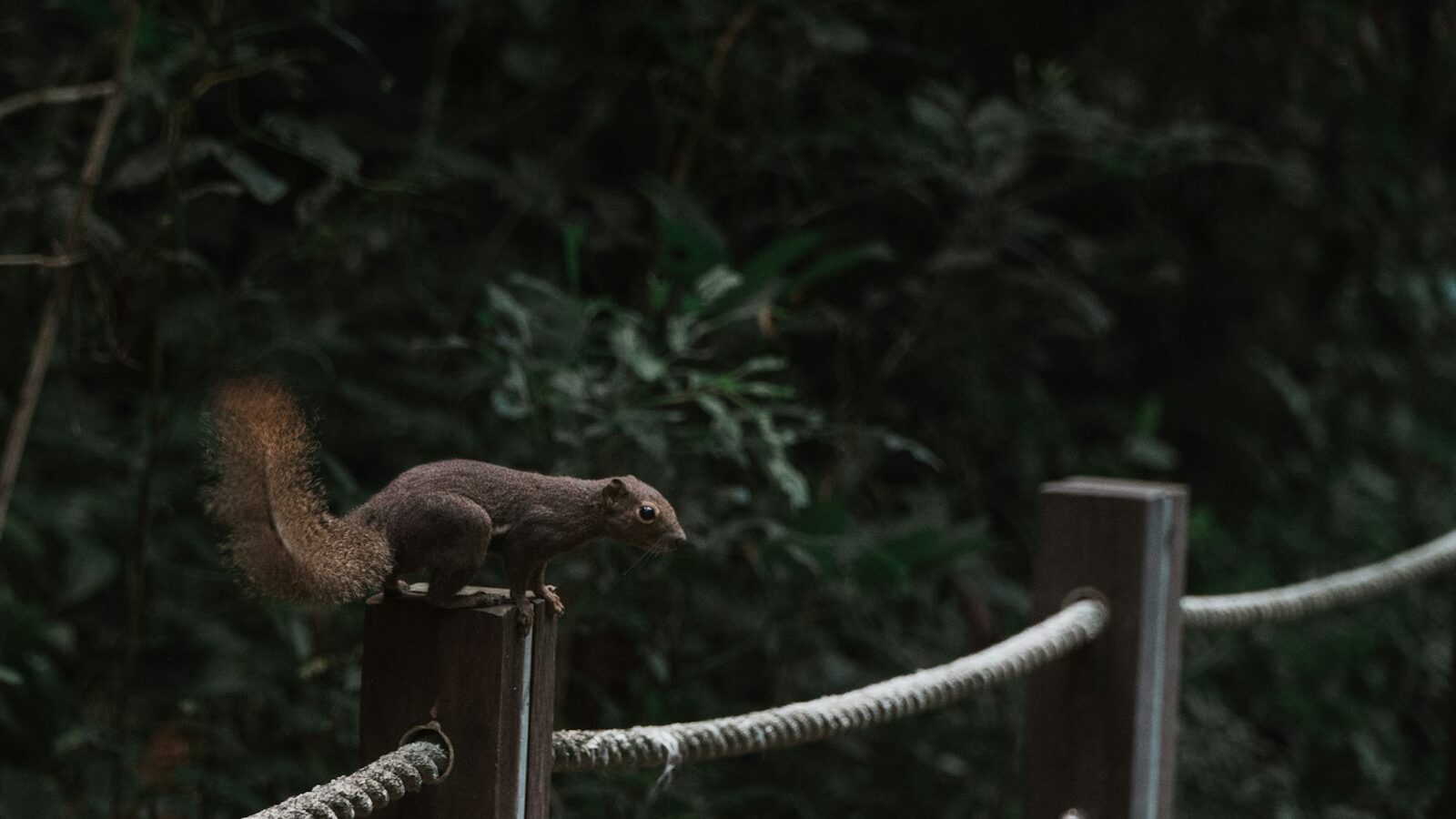
- Plantain squirrels. Common in landed estates and near greenery, they chew on fruit such as bananas, papayas and mangoes, and sometimes dig in pots.
Clues help. Peck marks and half-eaten fruit left on the plant usually point to birds. Fruit gnawed with teeth marks, or missing entirely from high branches near trees and fences, often points to squirrels. Scattered soil and uprooted seedlings could be either.
Physical Barriers: Netting, Bags and Cages
Barriers are the most reliable protection because they do not rely on animals being scared.
- Bird netting. Drape fine mesh over plants or, better, stretch it over a simple frame so the net does not touch leaves. Secure the edges so birds cannot slip underneath. Choose a small mesh size and check it daily, because loose or wide netting can trap birds and small animals.
- Fruit bags. Mesh or paper bags tied around individual fruits or bunches protect them as they ripen. They work well on papayas, guavas, mangoes, starfruit and chillies.
- Mesh cloches and cages. Small wire or mesh cages over seedlings and herb pots stop scratching and digging.
- Covering soil. Pebbles, a layer of mulch or mesh over the soil surface discourages digging in pots.
For squirrels, standard bird netting can be chewed through. Use sturdier wire mesh for cages around high-value plants, and trim branches that let squirrels leap from walls or neighbouring trees onto your fruit trees.
Comparing Deterrent Options
| Method | Works best against | Pros | Cons |
|---|---|---|---|
| Netting over a frame | Birds | Reliable, reusable | Must be secured and checked to avoid trapping wildlife |
| Fruit bags | Birds and squirrels | Protects individual fruits | Time-consuming for large trees |
| Reflective tape or old CDs | Birds | Cheap, easy | Birds get used to it within weeks |
| Wire mesh cages | Squirrels and birds | Strong, long-lasting | Less attractive, takes effort to build |
| Moving decoys or spinners | Birds | Simple to install | Effect fades if never moved |
Visual scare tactics work best when you move or change them every few days. Animals quickly learn that a static plastic owl is harmless.
Smart Harvest Timing and Plant Choices
Sometimes the simplest fix is changing when and what you harvest.
- Pick slightly early. Many fruits, such as tomatoes, papayas and some chillies, can be picked just as they start colouring and ripened indoors.
- Check daily during fruiting season. A ripe fruit left on the plant overnight is an invitation.
- Clear fallen fruit. Rotting fruit on the ground attracts birds, squirrels, rats and flies.
- Plant a little extra. Some gardeners grow a few sacrificial plants away from the main crop.
- Choose less tempting plants for exposed spots. Leafy herbs are usually less attractive to birds than bright red fruit.
On a high-floor balcony, plants by the railing are most exposed. Moving fruiting pots further inside, or behind a screen, can cut losses. If you are planning a new set-up, our guide to the best plants for a sunny balcony in Singapore can help you choose varieties suited to your space.
Balcony Rules and Neighbour Considerations
Before installing netting or structures, check what is allowed.
- Condo residents should check the by-laws set by the MCST (Management Corporation Strata Title, the condo management body). Many restrict changes visible from outside, including netting or screens on balconies.
- HDB residents should check HDB’s guidelines and their town council’s rules on items placed on ledges, corridors and outside windows. Never place pots where they could fall, as killer litter (objects falling from height) is a serious offence.
- Landed homeowners have more freedom but should make sure netting and cages do not hang over a neighbour’s property.
Keep shared corridors clear, since fire safety rules apply to common areas.
What Not to Do
Protecting your plants should never mean harming wildlife.
- Do not use glue traps, poison or sharp spikes designed to injure. Many birds and animals in Singapore are protected under wildlife laws, and harming them can be an offence.
- Do not feed wildlife. Feeding birds such as pigeons, and other wild animals, is prohibited in Singapore and encourages them to return. NParks enforces these rules, so check its website for current details.
- Do not leave pet food or bird seed out on your balcony; it draws in exactly the visitors you want to avoid.
- Do not leave netting loose or torn. Animals can become entangled.
If a bird or squirrel is trapped, injured or nesting where it causes problems, contact NParks or an animal welfare group for advice rather than handling it yourself.
A Simple Plan for Protecting Your Harvest
- Identify the culprit from the damage.
- Protect ripening fruit first with bags or netting over a frame.
- Add rotating visual deterrents for extra cover.
- Harvest promptly and clean up fallen fruit.
- Check your MCST, HDB or town council rules before installing anything permanent.
With a few humane barriers and good habits, you can enjoy your chillies, herbs and fruit while sharing the neighbourhood peacefully with its feathered and furry residents.
Explore more: if you travel often, read about caring for plants while on holiday so your protected harvest is still thriving when you return.
Frequently Asked Questions
Are there balcony plants that birds and squirrels usually leave alone? Leafy herbs are generally less tempting to birds than bright, ripe fruit, so they make safer choices for exposed spots. Fruiting plants such as chillies and tomatoes are the usual targets. No plant is completely safe, so keep protecting the fruit you care most about.
Is a plastic owl or scarecrow worth buying to keep birds away? It helps only briefly. Birds learn quickly that a static decoy is harmless, so the effect fades within days or weeks. If you use one, move it often and combine it with a real barrier such as netting over a frame or bags around the fruit.
What should I do if a bird gets caught in my netting? Stay calm and do not pull or cut roughly, as this can injure it further. Contact NParks or an animal welfare group for advice, especially if the bird looks hurt. To prevent this, keep netting taut over a frame and check it daily.
Can I put out food elsewhere to lure birds away from my plants? No. Feeding wild birds and other animals is prohibited in Singapore and tends to bring more of them back to your area. Check NParks for current rules. Protect your plants with barriers and prompt harvesting instead.
What if a bird builds a nest among my balcony plants? Leave the nest alone and avoid handling the eggs or chicks. Many birds are protected, and disturbing a nest can cause harm. If the nest is causing a real problem, contact NParks or an animal welfare group for advice rather than removing it yourself.