
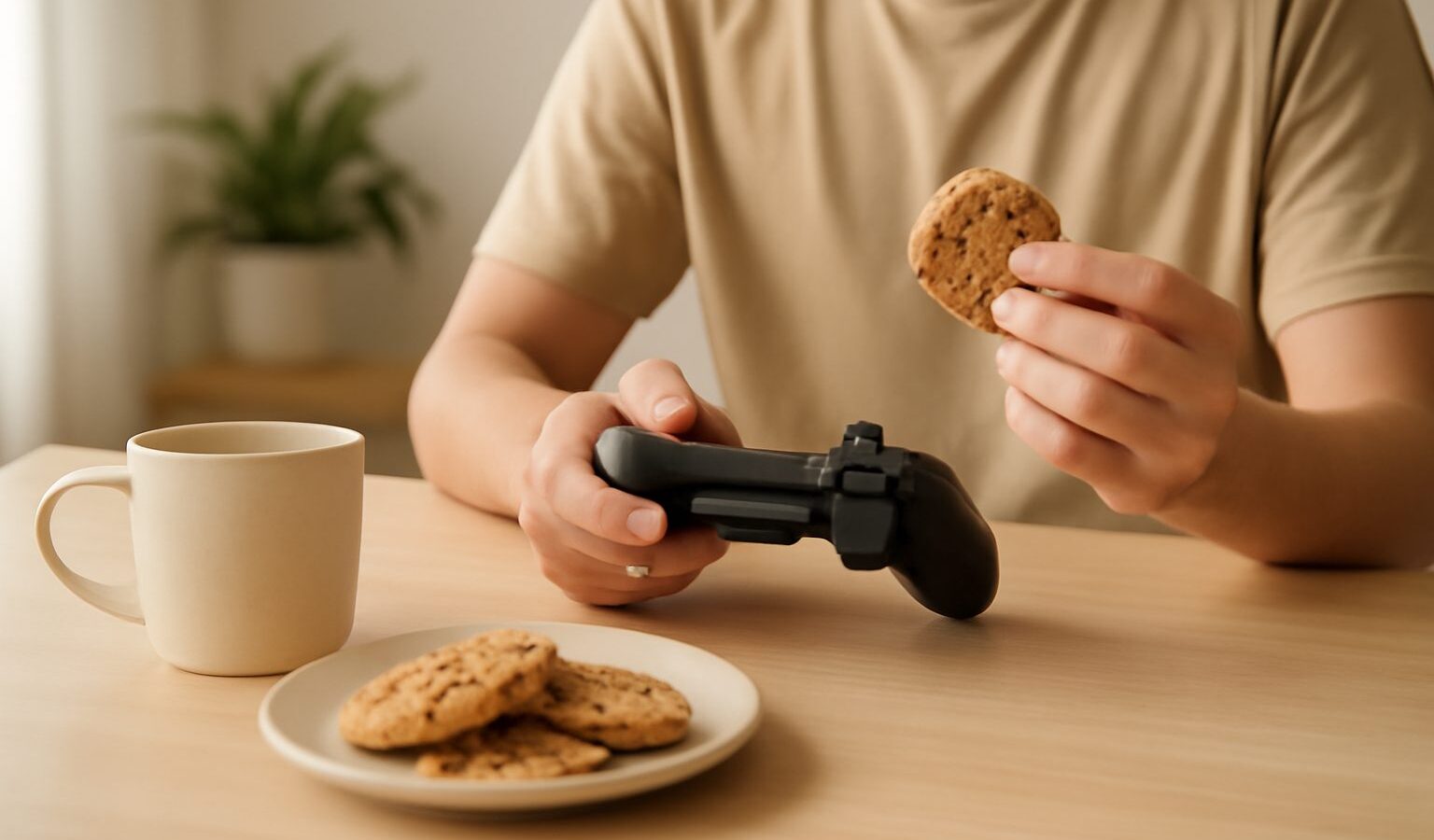
Fast reactions feel like a gift some players are simply born with, but gaming reflexes are more trainable than most people think. Reflexes here mean how quickly you notice something happen on screen and turn that into the right action, whether that is dodging an attack, firing back or hitting a note in time. You will not turn into a machine overnight, and part of your raw reaction speed is set by biology and age. Still, there is a lot of room to improve through practice, a clean setup and good habits, and this guide walks through the parts you can actually control, with Singapore living in mind.
It helps to separate two things. Raw reaction time is how fast you respond to something you did not expect. Anticipation is reading the game so well that you are already moving before the thing happens. Top players win far more through anticipation than through pure speed, which is good news, because anticipation is the part you can grow the most.
Understand What Reflexes Really Are
When you react in a game, a small chain of events happens: your eyes see a change, your brain recognises it, you decide, and your hand moves. Each link takes time, and you can shave a little off several of them. You cannot rewrite your biology, but you can remove the delays you have accidentally added, and you can train recognition so decisions come faster.
A big, often invisible delay lives in your equipment, not your body. Input lag is the gap between you pressing a button and the game responding. Add up a slow display, a laggy connection and background clutter, and you can lose more time to your setup than you could ever gain from drills. Fixing that is the cheapest reflex upgrade available, so start there before you blame your hands.
Reduce the Delays You Can Actually Control
Before training harder, train smarter by clearing the obstacles.
- Cut input lag at the screen. If your display has a picture or game mode that lowers processing, use it. Turn off heavy visual effects that make the game stutter, since a smooth, steady frame rate helps you react more than a pretty but choppy one.
- Stabilise your connection. In an HDB flat with many devices sharing the Wi-Fi, a wired cable to the router removes a lot of hiccups. If cabling is impossible, sit closer to the router and avoid gaming right when the whole household is streaming.
- Close the clutter. Background downloads and a dozen open tabs can make even a good machine feel sluggish. Give the game room to run.
- Mind mobile habits. Many Singaporeans game mostly on a phone. Close background apps, keep the phone from overheating in a warm room, and avoid charging while playing if it makes the device hot and slow.
None of this is glamorous, but it is often the single biggest jump in how responsive a game feels.
Train Reflexes and Anticipation Together
Now the practice itself. The aim is not to twitch faster at random, but to recognise situations sooner and respond cleanly.
- Warm up before ranked play. A few minutes of light drills wakes up your hands and eyes so your first match is not your warm-up. A full warm-up routine for gaming makes this a habit.
- Do short reaction drills. Practice modes or simple reaction tests train the raw response. Keep them brief and frequent rather than long and draining.
- Practise reading, not just reacting. Rewatch your matches and note where danger came from. Over time you will start expecting the flank, the ambush or the boss’s wind-up, and expecting it is faster than reacting to it.
- Narrow your focus. Panic makes you slower because your eyes dart everywhere. Learn where threats usually appear and watch those spots, so your attention is already in the right place.
- Play a little on the edge of your ability. Facing slightly stronger opponents forces quicker reads. Facing much stronger ones just overwhelms you, so pick the right level.
Reflexes also depend on staying calm. When you are rattled, your reactions get worse and messier, so learning to reset matters. Our guide on how to deal with tilt in gaming covers steadying yourself mid-session.
Reaction Time Versus Anticipation
It helps to see clearly what each skill is and how you build it, so you spend your effort where it pays off.
| Aspect | Reaction time | Anticipation |
|---|---|---|
| What it is | Responding to the unexpected | Acting on what you predict |
| Ceiling | Limited by biology and age | Very high, keeps growing |
| How you train it | Short reaction drills, clean setup | Reviewing games, learning patterns |
| Fails when | You are tired or distracted | You misread the situation |
| Biggest gains for | Newer players fixing lag and habits | Everyone, at every level |
If you take one thing away, let it be this: chase anticipation. Fixing your setup and sleeping well protect your raw reaction time, but reading the game is where the real, lasting improvement lives.
Rest, Sleep and Realistic Expectations
This is general wellbeing information and not medical advice, but rest is genuinely part of your reflexes. Tired eyes and a tired brain react slowly and miss obvious cues, so the single most underrated reflex trainer is a proper night’s sleep.
Look after the basics while you practise:
- Take a real break roughly every hour. Stand, stretch, and rest your eyes by looking at something far away for a bit, which is easy to forget in a dark, air-conditioned room.
- Keep your wrists loose and warm, since cold or stiff hands respond more slowly. A gentle shake-out between rounds helps.
- Stay hydrated in the heat and keep the room ventilated so you are alert rather than drowsy.
- Do not grind reflexes when exhausted. You will only teach yourself sloppy timing and feel worse.
Be realistic and kind to yourself about progress. Reaction speed naturally varies from day to day and tends to peak in younger years, so if an older family member reacts a little slower, that is normal and not a failing. Gaming is a healthy hobby for most people. If practice ever stops being fun, or if it starts crowding out sleep, studies or time with people, it is worth easing off, and there is no shame in that.
Make It Stick
The players with sharp reflexes are usually the ones who quietly did the boring parts: they fixed their input lag, warmed up, slept enough and reviewed their mistakes. Speed follows preparation. Pick one thing from this guide, a wired connection, a nightly warm-up, or a habit of reviewing one match, and keep it up for a few weeks before adding the next.
Reviewing your own play is where anticipation grows fastest, so pair this with our guide on how to review your own gameplay. Do the unglamorous work consistently, and the fast reactions everyone admires will start to feel like your normal.