
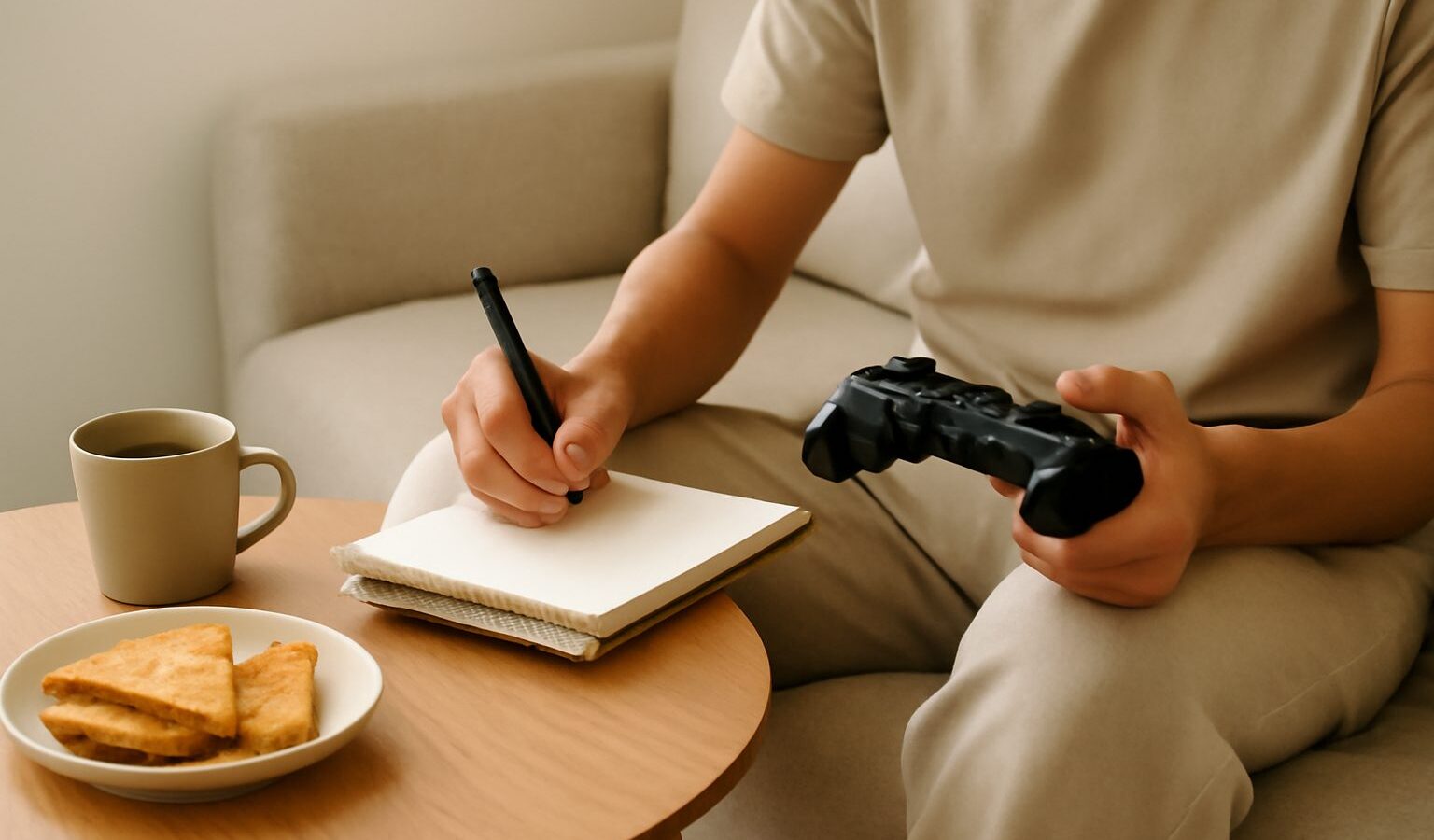
If you want to get better at a game faster, reviewing your gameplay is the single most powerful habit you can build. Most players improve slowly because they repeat the same mistakes without ever seeing them clearly. Watching your own matches back, even briefly, turns vague frustration into specific, fixable lessons. You do not need fancy tools or hours of spare time. A phone recording and ten focused minutes can teach you more than another whole evening of grinding. This guide keeps it simple and practical, for players of any age and any game, with Singapore life and mobile-first habits in mind.
Reviewing your own play is sometimes called a VOD review, where VOD just means “video on demand”, a recording of your match you can watch afterwards. The magic is that in the heat of a game you cannot see your own errors, but calm and afterwards, you can. That gap is where nearly all improvement hides.
Why Reviewing Beats Just Playing More
Playing more only helps if you are practising the right things. Otherwise you are drilling your bad habits deeper. When you review, you shift from reacting in the moment to studying with a clear head, and that is where real learning happens.
A short review gives you three things that raw play cannot:
- An honest mirror. In the moment you feel you played fine, but the recording shows what actually happened, which is often quite different.
- Patterns, not one-offs. Watching several games reveals that the same mistake keeps costing you, and a recurring error is a golden opportunity because fixing one habit improves every future game.
- Calm judgement. Away from the pressure, you can see the better decision you missed, and next time it will come to mind sooner.
This is also the fastest route to sharper decisions and anticipation, which is why it pairs so well with building gaming reflexes.
Capture Your Games Without a Fuss
You cannot review what you did not record, so make capturing easy. Keep it light or you will not keep it up.
- On console or PC, most systems can record recent play or clip the last few minutes after something notable happens. Turn that on so you always have footage.
- On mobile, the built-in screen recorder is enough. Recording can warm the phone and eat storage, so record selectively, in a cool spot, and clear old clips regularly.
- Clip, do not hoard. You do not need every match. Save the games that felt confusing, the losses that stung, and the wins where you are not sure why it worked.
- Note the moment. A quick mental or written tag like “died here for no reason” helps you find the useful bit later instead of rewatching everything.
The goal is a small, manageable pile of footage you will actually look at, not a hard drive full of matches you never open.
A Simple Review Routine You Will Stick To
Reviewing does not need to be long. A focused ten to fifteen minutes beats an unfocused hour. Here is a routine that keeps it useful and painless.
- Pick one game and one question. Do not try to fix everything. Choose a single focus, such as “why did I keep dying early?” or “was my positioning bad?”.
- Watch your decisions, not just the action. Pause at each key moment and ask what you knew, what you chose, and what a calmer version of you might have done instead.
- Look for the moment before the mistake. Deaths and losses usually start earlier than they feel. The bad fight often began with a bad position or a greedy choice seconds before.
- Write down one fix. Boil the whole session into a single, specific thing to try next time, like “back off after a kill” or “check the map before pushing”.
- Carry it into your next games. Play a few matches focused only on that one fix before moving to the next. Trying to fix ten things at once fixes none.
Speed things up by watching at a slightly faster rate through the calm stretches and slowing down for the key moments. You will get through a review quickly once it becomes routine.
Be Kind and Honest at the Same Time
The right mindset makes reviewing work. Be honest enough to see your mistakes, and kind enough that seeing them does not crush you.
- Own your part. Blaming teammates or bad luck feels good but teaches you nothing. Ask instead what you could have done differently, since that is the only part you control.
- Notice what went right too. Reviewing is not just fault-finding. Spot the good reads and clean plays so you can do more of them on purpose.
- Do not review while raging. If a loss still stings, wait. Studying a game while tilted just turns into a blame session. Our guide on how to deal with tilt in gaming helps you cool down first.
- Measure progress over weeks. Improvement is lumpy and slow, so judge yourself on the trend across many sessions, not one match.
What Good and Poor Reviewing Look Like
It is easy to think you are reviewing when you are really just rewatching for fun or looking for someone to blame. This comparison keeps you honest about the difference.
| Aspect | Poor reviewing | Good reviewing |
|---|---|---|
| Focus | Watching everything vaguely | One game, one clear question |
| Attitude | Blaming team or luck | Owning your own decisions |
| What you look at | Only the flashy moments | The choices before things went wrong |
| Outcome | “I played badly”, nothing more | One specific fix to try next |
| Follow-up | Forget it and queue again | Apply the fix over the next games |
Aim for the right column. Even a rough version of it, done regularly, will move you forward faster than hours of unexamined play.
Turn Review Into a Habit
The players who improve steadily are rarely the ones who play the most. They are the ones who look at what they did and adjust. Keep your reviews short, gentle and specific, and the habit will quietly compound. One fix per session adds up to a very different player a few months from now.
Fit reviewing in beside the rest of your routine: warm up properly with a warm-up routine for gaming, sharpen your aim training, and keep a calm head. This is general advice for enjoying and improving at games, and the best part is that it is free. All it costs is a little honesty and ten quiet minutes after the match.