
Most advice about habits treats them like a chore you have to force yourself through. Set an alarm, grit your teeth, repeat until it hurts less. That works for a while, but willpower runs thin after a long day of meetings and a packed MRT ride home. The quiet truth is that the habits we keep are usually the ones we enjoy. Enjoyable habits do not need constant discipline, because part of you is actually looking forward to them.
This guide is about making that shift. Not turning every routine into a party, but adding small touches of pleasure so a habit feels less like a task and more like something you want to do. It takes a bit of experimenting, and the results build over weeks rather than days, but it is one of the gentlest ways to make change stick.
Why Enjoyment Matters More Than Willpower
Think about the habits you already keep without effort. Scrolling your phone, making kopi in the morning, watching a show before bed. Nobody has to remind you. They stuck because they feel good in the moment, so your brain files them under “reward” rather than “obligation”.
Habits you dread sit in the opposite pile. Every time you approach them, a small part of you resists, and that resistance adds up. When you are tired, stressed or behind on everything, the joyless habit is the first to be dropped. So if you want a routine to survive real Singapore life, with its long hours and always-on messages, it helps enormously to make the habit itself a little bit pleasant.
This is not about tricking yourself. It is about designing the experience so the good feeling arrives sooner. When enjoyment and effort happen together, you no longer have to rely on motivation that may or may not show up.
Attach a Small Pleasure to the Task
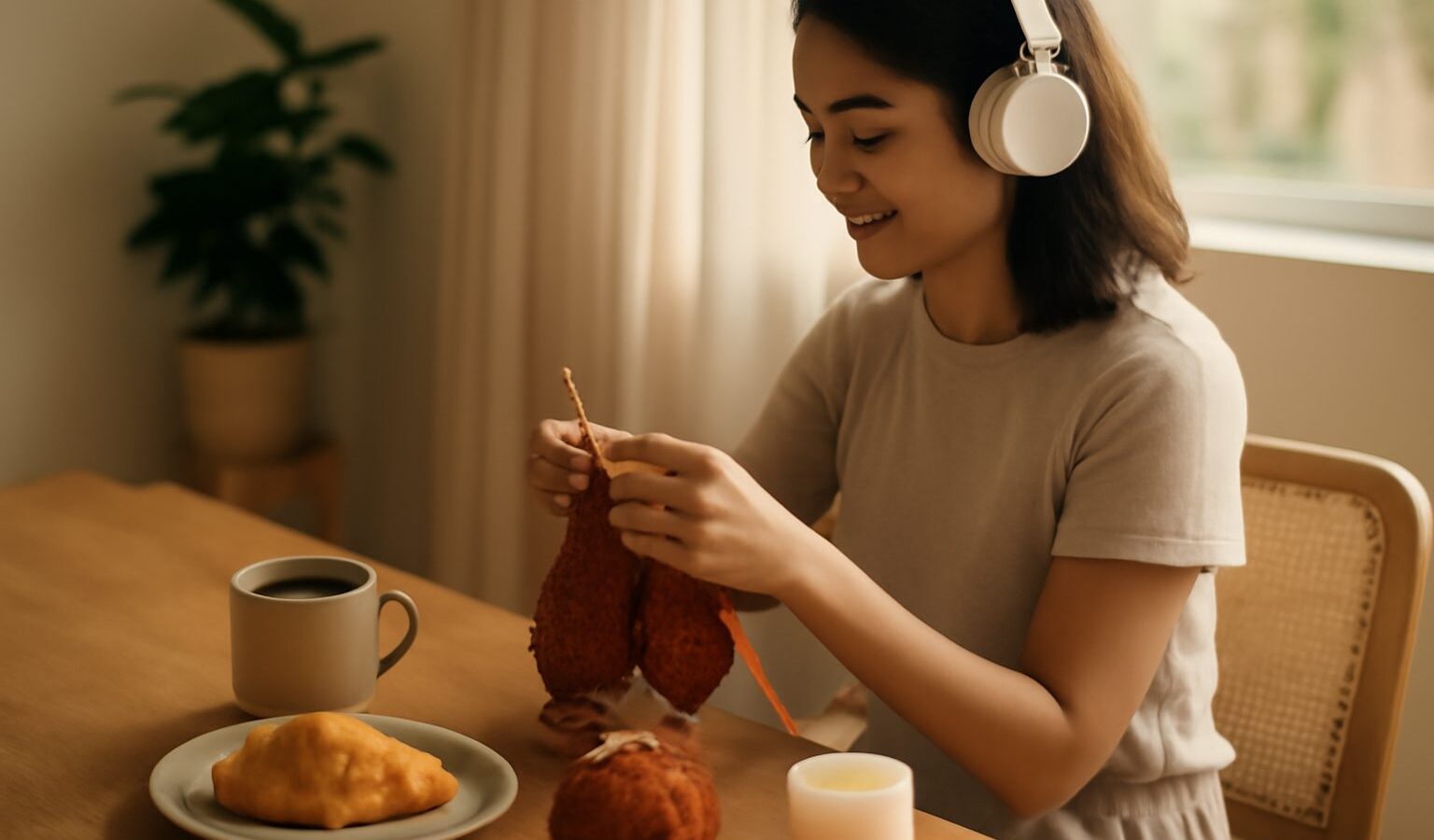
The simplest move is to pair something you should do with something you like. If you want to walk more, save your favourite podcast or playlist for walking only. If you want to tidy the flat, put on music you love while you do it. The pleasant thing becomes a reason to start, and starting is usually the hardest part.
A few gentle ways to try this:
- Pick one habit you keep avoiding and name it honestly. Journaling, stretching, replying to admin emails.
- Choose a small pleasure that fits alongside it. A nice drink, good music, a comfortable spot near the window.
- Allow yourself that pleasure only during the habit, so the two become linked in your mind.
- Keep the treat modest and repeatable. Something you can enjoy daily without it losing its shine.
Over time your brain starts to associate the task with the good feeling, and the habit stops feeling like a wall you have to climb. This idea of deliberately linking a want with a should is powerful enough that it deserves its own attention, which you can read about in our guide on temptation bundling.
Make the First Two Minutes Feel Good
We often quit habits because the very beginning is uncomfortable. The gym feels far, the blank page feels scary, the running shoes are buried in a cupboard. If you can make the opening moments pleasant and easy, the rest tends to follow.
Try shrinking the entry point. Instead of “do a full workout”, the habit becomes “put on my exercise clothes and stretch for two minutes”. Instead of “write an essay”, it is “open the document and write one sentence”. Once you have started, carrying on is far easier than beginning from cold.
You can also improve the setting. A clean corner, a favourite mug, decent lighting, a comfortable chair. These small comforts lower the friction and add a bit of warmth to the routine. In a small HDB flat, even clearing one surface for the habit can make it feel more inviting rather than like one more mess to deal with.
Celebrate the Habit, Not Just the Goal
Big goals are slow to arrive. If the only reward comes at the finish line, months away, the daily habit feels thankless. So give yourself a little credit each time you show up. This can be as simple as ticking a box, saying “done” out loud, or taking a satisfied breath before you move on.
That small hit of “I did it” matters more than it sounds. It tells your brain that the habit was worth doing, which makes the next repetition more likely. You are not waiting for the transformation to feel good; you are collecting tiny wins along the way. If you tend to brush off your own progress, our piece on dealing with self-doubt may help you notice and keep the wins you earn.
Here is a simple way to see the difference between a joyless approach and an enjoyable one.
| Situation | The joyless way | The enjoyable way |
|---|---|---|
| Morning walk | Force yourself out, count the minutes | Save a loved podcast for the walk only |
| Tidying the flat | Dread it, do it all at once | Play good music, tidy one corner |
| Studying after work | Push through while exhausted | Nice drink, timer, one small section |
| Journaling | “I should reflect more” | Comfortable spot, one honest line |
None of the enjoyable versions take special talent. They just add a bit of comfort and reward to something that used to feel like a duty.
Let the Habit Fit the Real You
A habit is far more enjoyable when it suits your actual life and personality, not the version you think you should be. If you hate crowded gyms, a home stretch or a walk by the canal may serve you better. If mornings are chaos with kids and commutes, an evening routine might feel kinder. Forcing a fashionable routine that clashes with your temperament is a fast route to quiet resentment.
Notice which parts of a habit you enjoy and lean into those. Maybe you like the planning more than the doing, or the social side more than the solo grind. Shape the routine around what already appeals to you. Habits that grow from your own preferences tend to become part of who you are, an idea explored in our guide on identity-based habits. When a habit reflects the person you want to be, enjoyment and identity start to reinforce each other.
Keep It Sustainable, Not Perfect
Enjoyment fades if you overdo it. A habit that is fun on day one but exhausting by day ten will not last. Keep the effort at a level you can repeat on an average, tired, ordinary day, not just on your best day. It is better to enjoy a short version daily than to burn out on an ambitious one.
Expect some flat patches too. Even pleasant habits have dull days, and that is normal, not a sign of failure. On those days, do the smallest version and let that be enough. The point is to keep the thread unbroken, gently, so the habit stays part of your week even when life is busy. If your routine ever gets disrupted by travel, our guide on keeping habits going on holiday has practical ways to hold the thread.
Making habits enjoyable is not a gimmick. It is a kinder, more realistic way to change, one that respects how tired and stretched most of us are. Add a little pleasure, shrink the starting effort, celebrate the small wins, and let the routine fit the real you. Do that, and the habit stops being something you have to survive and slowly becomes something you quietly look forward to.