
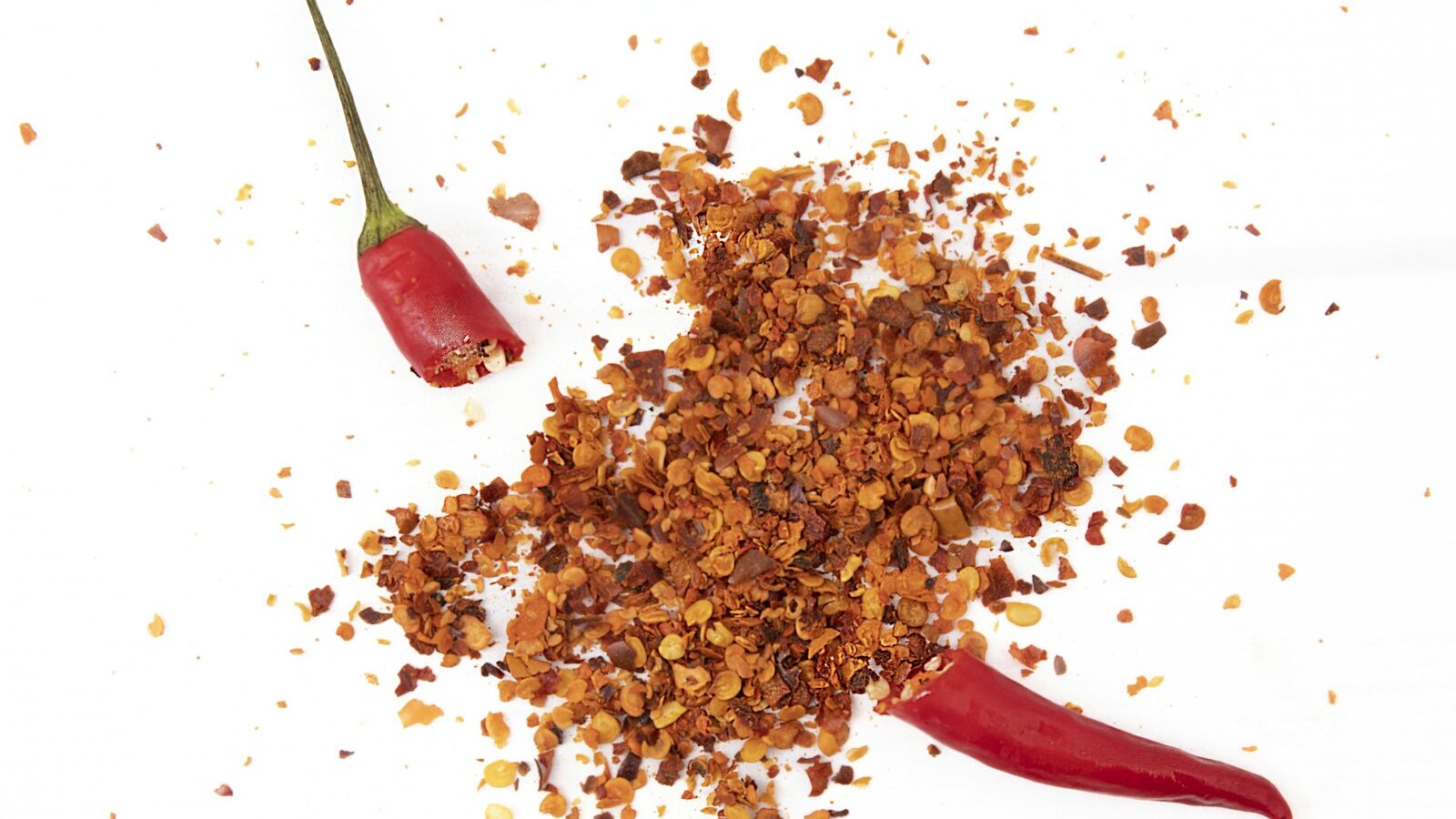
A good jar of chilli oil turns plain rice, noodles or eggs into something you actually crave, and making your own means you control the heat, the crunch and the fragrance. Homemade chilli oil in Singapore is one of the most rewarding kitchen projects because it keeps reasonably well, uses cheap ingredients, and works with almost everything we eat. Once you have the base method, you can branch into fresh dipping sauces that bring hawker meals to life at home.
The whole idea is simple: hot oil is poured over aromatics and chilli to bloom their flavour and colour. Master the temperature and you avoid the two classic failures, a burnt bitter batch or a raw, flat one.
Understanding Chilli Oil Basics
Chilli oil has three parts: the dry mix, the aromatics, and the oil. The dry mix is usually chilli flakes. You can buy them, or make your own by toasting dried chillies gently in a dry pan until fragrant, then blitzing them. Deseed some of the chillies if you want colour and flavour without brutal heat.
Into the bowl with the flakes you add flavour boosters. Common choices include a little salt, a pinch of sugar, toasted sesame seeds, and umami from a spoon of light soy or a little dried shrimp toasted and crushed. Some cooks add a small amount of Sichuan peppercorn for a tingling note.
The aromatics are infused into the oil separately. Sliced garlic, shallots, ginger, spring onion and a stick of cinnamon or a star anise are gently fried in the oil to perfume it. You then strain them out, or leave crisp fried garlic and shallot in for texture, which many people love.
Use a neutral oil that handles heat, and use a heatproof bowl and a fine strainer. A dry, clean glass jar is essential for storage, since any water in the jar shortens the oil’s life.
Getting the Oil Temperature Right
Temperature is everything. Too hot and you scorch the chilli flakes into bitterness in seconds; too cool and the flavour stays raw and the colour dull.
Here is a safe approach for a home kitchen:
- Warm the oil with the aromatics over low to medium heat. Let the garlic, shallot and ginger fry slowly until golden and fragrant, not dark. Low and slow draws out their sweetness without burning.
- Once the aromatics are golden, remove them if you want a clean oil, or turn off the heat and let everything cool slightly.
- Let the oil cool for a short while off the heat before pouring, so it is hot enough to sizzle the flakes but not hot enough to burn them. If you have a thermometer, aim for a moderately hot oil rather than smoking hot.
- Pour the hot oil over the chilli flake mix in stages. It should bubble and foam gently and smell toasty. If it violently smokes and turns the flakes black, the oil was too hot.
- Stir, let it cool completely, then transfer to your dry jar.
If you are nervous, do a small test pour over a spoon of flakes first. Better a gentle sizzle than a burnt batch. Keep a pan lid within reach whenever you heat oil, never leave hot oil unattended, never add water to hot oil, and let the oil cool fully before you clean up. If oil ever catches fire, turn off the heat and smother it with a lid rather than reaching for water.
Easy Dipping Sauces to Master
Beyond chilli oil, a handful of fresh dipping sauces will lift everything from chicken rice to steamed fish. These are mixed fresh, not cooked, and take minutes.
- Chicken rice chilli: blend fresh red chilli, garlic, ginger, a squeeze of lime, a little sugar and salt, loosened with a spoon of the chicken stock. Bright, garlicky and sharp.
- Ginger and spring onion: finely mince ginger and spring onion, salt it, and pour a little hot oil over to bloom the aroma. Perfect with poached chicken.
- Garlic chilli soy: light soy, chopped chilli padi and garlic, a drop of sesame oil. A quick all-purpose dip for dumplings and noodles.
- Sweet and sour chilli: chilli, garlic, vinegar and sugar blended smooth, good with fried snacks.
Because these use raw garlic, chilli and citrus, make them in small amounts and eat them fresh within a day or two. Raw garlic in oil in particular should be kept chilled and used quickly, not stored at room temperature.
| Style | Base | Best with | Keeps |
|---|---|---|---|
| Chilli oil | Infused hot oil, dried flakes | Rice, noodles, eggs | Weeks, chilled |
| Chicken rice chilli | Fresh chilli, garlic, lime | Poached chicken, rice | A day or two |
| Ginger spring onion | Minced aromatics, hot oil | Steamed chicken, fish | A day or two |
| Garlic chilli soy | Soy, raw chilli, garlic | Dumplings, noodles | A day or two |
Storing Safely in Our Climate
Our heat and humidity are hard on homemade condiments, so storage matters. Cool your chilli oil completely before capping it, and always use a clean, dry jar and a clean, dry spoon each time. Any water introduced can cause spoilage and mould. Keep chilli oil in the fridge to be safe in our climate, where it will firm up and can be spooned out as needed; leaving it in a hot kitchen shortens its life.
Fresh dipping sauces that contain raw garlic, chilli or stock should always live in the fridge and be finished within a day or two. Never leave any garlic-in-oil mixture sitting out at room temperature. If anything smells fermented, fizzy or off, or grows mould, throw it out without tasting. Make small batches you will actually use, label the jar with the date, and you will always have something to spoon over dinner.
Explore more
Homemade condiments are the fastest way to make simple food exciting. Pair your chilli oil with our guides to making sambal chilli from scratch and making a rempah spice paste for a full arsenal of flavour bases. Then put them to work in cooking hawker favourites at home.