
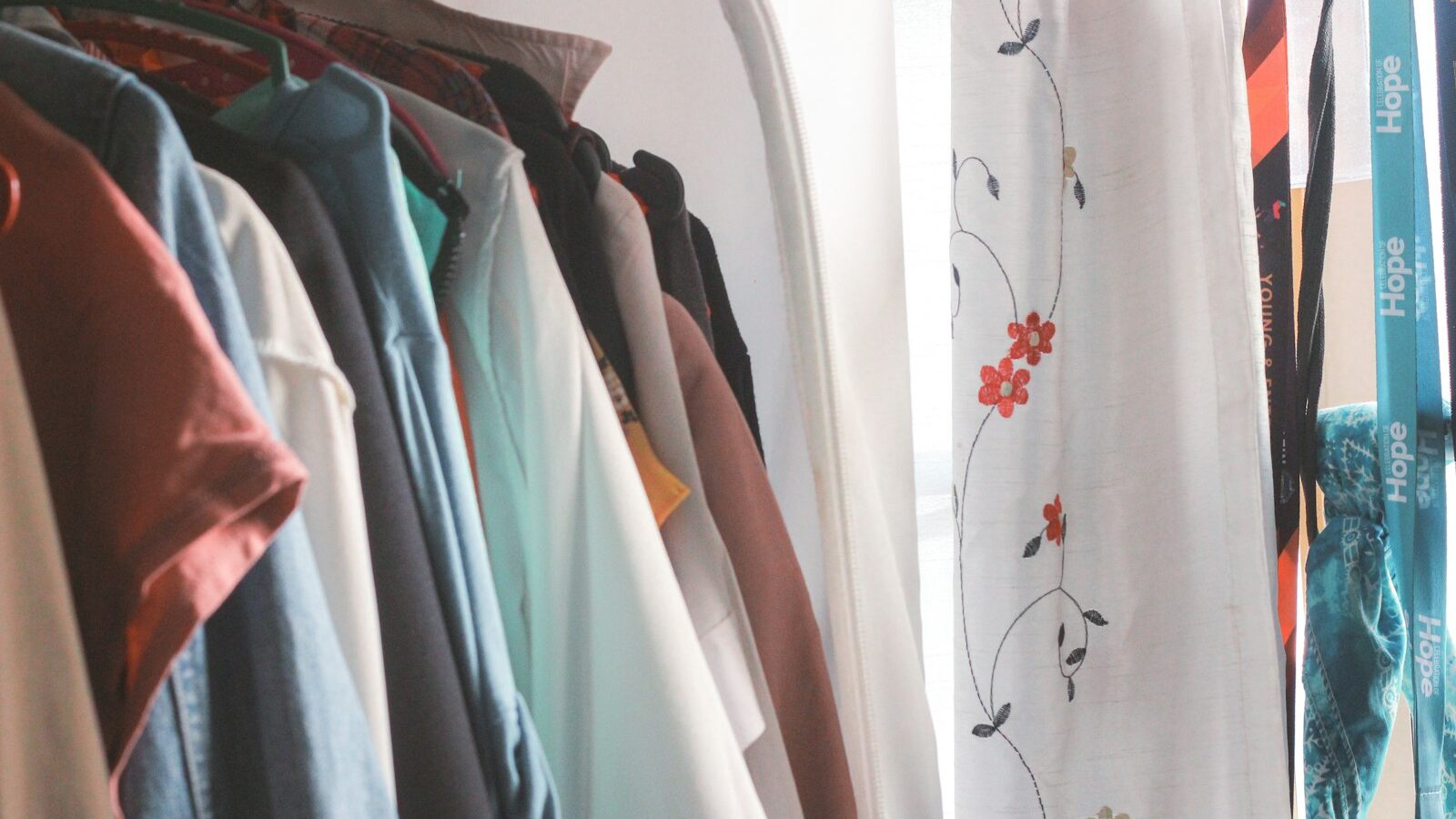
Recycling clothes in Singapore is trickier than tossing a can in the blue bin, and that catches a lot of well meaning people out. Old T-shirts, worn jeans and outgrown school uniforms cannot simply go into the household recycling bin, because textiles tangle the sorting machinery and are treated differently from glass, metal, paper and plastic. Yet clothing is one of the fastest growing waste streams we generate, driven by cheap fast fashion and wardrobes that turn over quickly. The encouraging news is that with a little sorting at home, most of what you no longer wear can find a second life through donation, dedicated collection points, repair or reuse, rather than heading straight to the incinerator. This guide shows you how.
Why Clothes Do Not Belong in the Blue Bin
It feels natural to assume a cotton shirt is as recyclable as a cardboard box, but the systems are completely different. Household blue bins in Singapore are set up for glass, metal, paper and eligible plastics, and soft textiles do not fit that process. Loose clothing can jam equipment at the sorting facility, and a damp or dirty garment can contaminate the clean paper and cardboard around it. So the first rule is simple. Keep clothes and textiles out of the blue bin entirely, and route them through channels built for them instead.
The deeper reason to care is scale. A single garment takes a surprising amount of water, energy and material to produce, and when it is burned after one season, all of that is lost. Extending the life of what already exists, by wearing it longer, passing it on or repurposing the fabric, is almost always greener than buying new, even new items marketed as sustainable. You do not need to swear off shopping forever. You just need a better plan for the clothes on their way out.
Sort Before You Toss: The Four Piles
Before anything leaves your flat, spend ten minutes sorting. The route a garment should take depends entirely on its condition, and mixing them together is what leads to good clothes being wasted. Lay everything out and build four piles.
| Pile | Condition | Best route |
|---|---|---|
| Wearable | Clean, no major damage, still in style | Donate or sell to a second-hand marketplace |
| Repairable | Small tears, loose buttons, stuck zips | Mend it or take it to a repair service |
| Worn out | Stained, torn, stretched beyond use | Textile recycling collection point |
| Unsafe or soiled | Mouldy, contaminated, heavily soiled | General waste, sadly, as it cannot be reused |
Sorting this way means the good pieces go where someone will actually use them, while genuinely finished fabric is sent for recycling rather than clogging a donation bin. Charities and second-hand shops spend real effort weeding out unusable items, so donating only clean, wearable clothing is a kindness that keeps the whole system working.
Where to Recycle and Donate Clothes in Singapore
Once your piles are ready, Singapore offers several routes, and most are within easy reach whether you live in an HDB flat or a condo.
- Dedicated textile and clothing collection bins are placed at various community and retail locations, and some take worn out fabric for recycling as well as wearable donations. Check what each bin accepts before you drop off.
- Charity organisations and thrift shops welcome clean, gently used clothing that can be resold or given to people in need.
- Second-hand marketplaces and consignment options let you pass on or sell pieces that still have plenty of wear in them, which also puts a little money back in your pocket.
- Karung guni collectors and neighbourhood collection drives sometimes accept clothing and other household items.
- Some clothing retailers run take-back schemes for old garments, occasionally in exchange for a discount, so it is worth asking in store.
Because programmes and drop-off locations change over time, it is worth checking the latest details from NEA and the specific organisation before you make a trip. Avoid dumping bags of clothes beside a full bin, as loose piles in our humid, rainy weather quickly turn mouldy and unusable, which defeats the whole purpose.
Repair, Rewear and Repurpose Before Recycling
Recycling should be the last stop, not the first. In our climate we lean heavily on lightweight, fast wearing clothes, and a little care makes them last far longer. A few habits stretch the life of what you own:
- Learn a couple of basic mends. Sewing on a button, closing a small seam or fixing a hem takes minutes and saves a garment from the bin.
- Use a repair service for trickier jobs. A tailor can replace a zip or take in a waistband for far less than the cost and footprint of buying new.
- Wash clothes less aggressively. Cooler washes, gentler cycles and air drying in our natural heat reduce wear and keep colours looking fresh.
- Repurpose fabric that is truly finished. Old cotton T-shirts make excellent cleaning rags, and worn towels become useful for messy jobs around the home.
- Host or join a clothes swap with friends or neighbours, turning unwanted pieces into a refreshed wardrobe at no cost.
None of this asks you to become a tailor or a minimalist overnight. Even mending one favourite shirt instead of replacing it is a genuine win, and small habits add up over a year of wardrobe decisions.
Buy Less, Choose Well, Make It Last
The greenest textile is the one you never needed to buy. Recycling clothes matters, but it works best alongside gentler buying habits. Before adding to your wardrobe, pause and ask whether you will wear the item many times, whether it suits what you already own, and whether it is made to last more than a season. Choosing durable basics over trend led pieces, and buying second-hand where you can, reduces waste long before disposal ever becomes a question. This fits neatly with the direction of the Singapore Green Plan 2030 and its push towards a lower waste, more circular society, though the everyday version is far simpler. Wear things longer, share what you can, and dispose of the rest thoughtfully.
How to Start This Week
Open one drawer or one shelf and do a quick sort into the four piles. Set aside the wearable clothes for donation or resale, put the repairable ones somewhere you will actually get to them, and bag the worn out fabric for a textile collection point. You do not need to overhaul your whole wardrobe in a day. One tidy drawer, one bag donated and one shirt mended already keeps textiles out of the incinerator and gives them a second life. Progress counts, and no one manages a perfectly circular wardrobe, so celebrate the clothes you keep in use rather than the ones you feel guilty about.
Explore more
For more household recycling, see our guide on how to recycle glass, metal and paper, which covers the blue bin basics in detail. If you are clearing out and want to know your local options, read cash for trash and where to recycle, and to cut waste at the source, try how to cut down on junk mail and paper.